17 August 2023 , 11:05
540
0
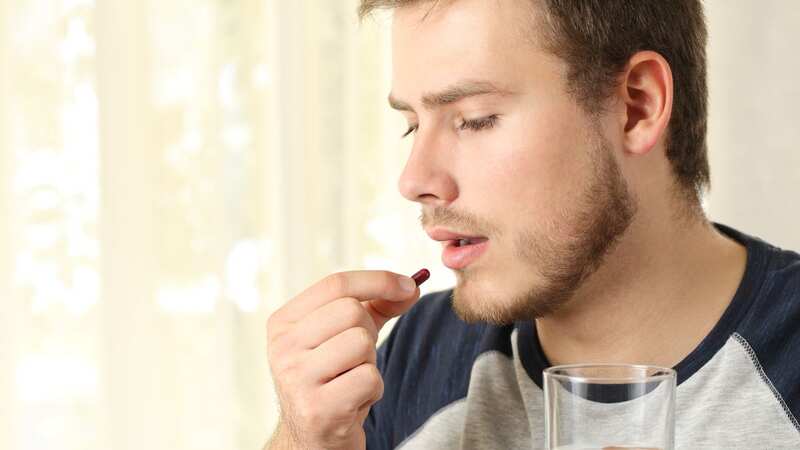
People are being warned of serious side effects to taking vitamin supplements and possible liver damage.
While it is common to take supplements which are displayed in supermarkets, the NHS says that most people do not need them and a healthy, balanced diet is what is best. And the danger of liver damage has been highlighted by Jo Cunningham, clinical director of The Gut Health Clinic.
Even herbal teas and supplements can cause injury and possible liver failure. Among the most dangerous are bodybuilding and weight loss supplements, which have been linked to jaundice.
Hepatotoxicity, or impairment of liver function by body chemicals not naturally produced, has increased sharply in recent years, according to many studies. And when taken in large amounts supplements can cause damage to the organ.
Ms Cunningham pointed out that because a supplement is natural it “doesn’t automatically mean safe". She told the Express: "It's important to bear in mind that high-dose supplements may interact with medications or potentially lead to liver damage. Remember that ‘natural’ doesn’t automatically mean ‘safe’, so if you’re interested in taking a supplement discuss it with a qualified healthcare professional first to make sure that the supplement, as well as the dose, is appropriate for you."
 New smoothie for dogs improves 'hydration and wellbeing' of our pooches
But as well as liver damage, taking too many supplements can lead to other problems like weight gain, headaches, nausea or constipation. "It’s easy to take a pill thinking that it’s just a vitamin or mineral, but more isn’t always better," said Ms Cunningham.
People should also take special care with the doses. "If you are taking micronutrients, always check the recommended daily allowance (RDA) and don’t go above this. High doses of minerals and fat-soluble vitamins can build up in the system, resulting in toxicity," she said.
"Often doses are pharmaceutical, rather than nutritional, meaning the dose you are taking is much higher than you could possibly obtain naturally from foods. Often supplements are recommended with good intentions – but all too often that advice is given without any science to back it up, and without regulation, it can be really risky."
The NHS also states: "Many people choose to take supplements but taking too much or taking them for too long could be harmful. The Department of Health and Social Care recommends certain supplements for some groups of people who are at risk of deficiency." These include folic acid supplement in pregnancy or vitamin D during the winter months for people who are not getting enough sunshine.