11 August 2023 , 14:48
909
0
No matter how much we fight the idea of it, every single one of us will die at some point - so there's really no need for death to be such a taboo topic.
What happens to human bodies after death is universal and can be pretty fascinating if you're interested in the science behind it, like hypostasis and embalming.
Lianna Champ, the UK's first female undertaker and embalmer, saw her first dead body at the age of 15 and has grown up very familiar with the process of human decomposition.
She has seen and done it all, with over 40 years' experience as a grief and funeral care specialist, and says, "there's nothing that would make me turn a hair now".
 Lianna Champ, the UK's first female undertaker and embalmer, opens up about death (Lianna Champ)
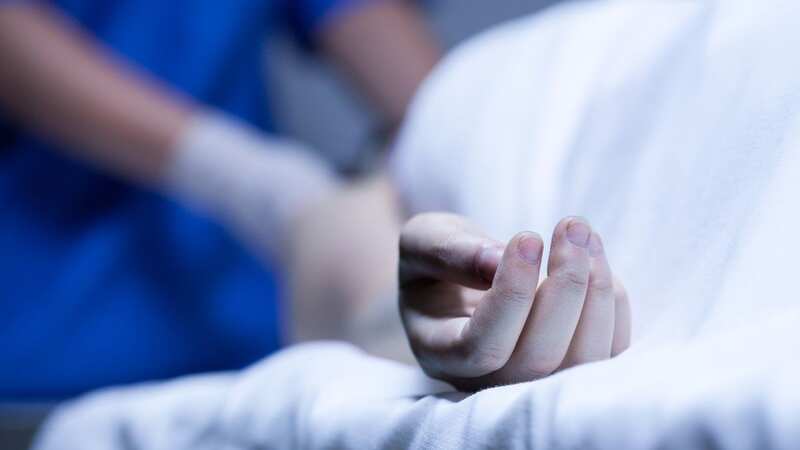
 She talks through what happens between the time of death and the funeral (stock photo) (Getty Images)
To open up the conversation and educate people on death, Lianna has shared the steps between the initial time of death and the funeral. She told Metro: "Once the heart stops beating the energy of the body stops. It's our energy and blood flow that keeps us warm, so the body will start to cool and it'll go through a period of processes and changes, which is what we know as decomposition."
 Kamala Harris and George Floyd's brother among hundreds at Tyre Nichols funeral
A few hours after death, rigor mortis sets in, which is a chemical reaction caused by a lack of oxygen in the body, and causes the muscles to stiffen and contract. Next, our bodies begin to decompose, which involves good bacteria staying with us and bad bacteria leaving us.
Embalmers, like Lianna, work to slow down the processes, so human bodies can be preserved for post-mortem examinations, funerals and to give families time to spend with their loved ones "without the risk of infection and without any unpleasantness". Embalming involves "just a couple of incisions, but it's very effective".
A fluid known as formaldehyde (formalin) is injected into the blood-vascular system of the body, which replaces the blood. It contains a pink dye to give a life-like appearance to the tissues and simulates circulation. Then Lianna will position the mouth and close the eyes to make it more pleasant for the family.
Unfortunately, embalming isn't always possible if someone has been dead for a prolonged period of time or has suffered extensive injuries. The next stage involves preparation for burial or cremation, and this process can vary depending on the requests of the deceased and family.
Lianna loves her job and speaks highly of the "magic" processes that allow her to "give families back that period of time" to see their loved ones. "The period in between death and the funeral is a hugely emotional period of transition so it can be absolutely huge," she said. Lianna has written a book, titled How to Grieve like a Champ, for those struggling with grief.