Common red-flag for high dementia risk in women identified in new research
There is a potential red-flag for identifying women at higher risk of developing dementia later in life, a new study has found.
The large-scale research suggests that women experiencing very early menopause — before the age of 40 — may be more susceptible to dementia compared to those who enter menopause around the age of 50.
The study, which examined health data from 153,291 women in the United Kingdom, sheds light on a previously unexplored connection between menopause timing and dementia risk. These women, with an average age of 60, gave their genetic and health information to a large biomedical database between 2006 and 2010, enabling researchers to analyse a broad spectrum of factors.
The research team aimed to uncover potential links between menopause age and the later development of dementia, including Alzheimer's disease and vascular dementia, which is caused by compromised blood flow to the brain.
The study found that women whose menopause started around age 45 faced a 30 per cent higher likelihood of being diagnosed with dementia before reaching the age of 65. This statistic was compared with women whose menstrual cycles stopped around the age of 50, an average age for menopause in both American and British women.
 England star Joe Marler reflects on lowest point after fight with pregnant wife
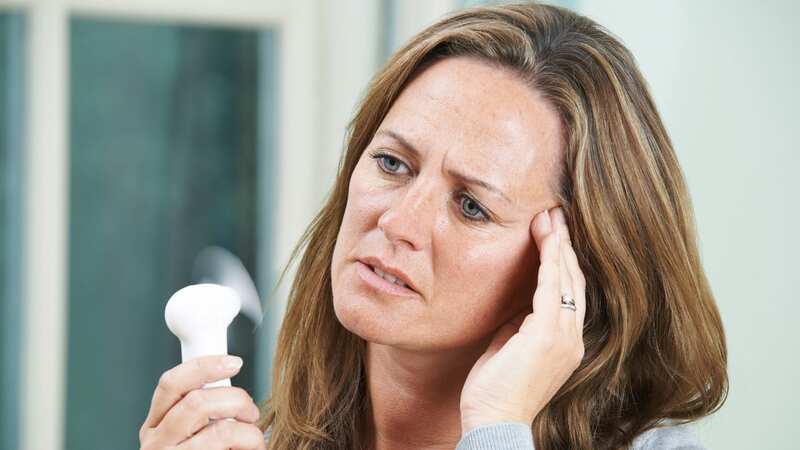
 Women beginning menopause around age 45 were 30 per cent more likely to be diagnosed with dementia before age 65 (Getty Images)
This research is observational in nature, and as such, it cannot definitively pinpoint the exact cause behind the connection between early menopause and heightened dementia risk. However it is thought that the earlier onset of reduced oestrogen levels might play a role. The precise influence of estrogen in this context requires further in-depth investigation, the researchers said.
This study also did not consider family history of dementia as a contributing factor. However, these findings are backed up by a more recent study published on Monday (July 7) in the journal JAMA Neurology, which looked into the relationship between the risk of Alzheimer’s disease (a type of dementia) and age of menopause and use of hormone therapy.
Study corresponding author Rachel Buckley said: "Hormone therapy is the most reliable way to ameliorate severe menopause symptoms, but over the last few decades, there has been a lack of clarity on how HT affects the brain.
“We found that the highest levels of tau, a protein involved in Alzheimer’s disease, were only observed in hormone therapy users who reported a long delay between age at menopause onset and their initiation of hormone therapy."
 The sex hormones oestrogen and progesterone are commonly used as medicines to treat the symptoms of menopause (Getty Images/iStockphoto)
Over the last two decades, the way HRT is provided has been made safer and more efficient, so the potential for long-term risks has been greatly reduced.
The general consensus among experts is that Hormone therapy can have negative effects on cognition, but only if initiated several years after age at menopause. The research supports clinical guidelines that state hormone therapy should be administered close to menopause onset, but not several years after.
Dementia affects more women than men worldwide. In fact, around twice as many women have Alzheimer’s disease – the most common type of dementia – compared to men.
The main reason for this greater risk is because women live longer than men and old age is the biggest risk factor for this disease. Oestrogen is thought to have a range of protective effects on brain health, including an ability to block some of the harmful effects of substances involved in Alzheimer’s disease, according to Alzheimers UK.
 ‘Hormone therapy should be administered close to menopause onset, but not several years after’ (Getty Images/Image Source)
This has led some researchers to suggest that if a person has more exposure to oestrogen throughout their life, they might be less likely to develop dementia. For example, if they:
- start periods at a younger age
- have at least one pregnancy (when levels of oestrogen are greatly increased)
- start menopause later
By contrast, a very early menopause caused by surgical treatments for cancer may increase the risk of dementia in later years. The relationships between sex, menopause and dementia risk are extremely complex and until recently researchers have not prioritised menopause as an opportunity to learn more about dementia.
 'So fed up of tiresome pal flirting with my husband and always putting me down'
Read more similar news:
Comments:
comments powered by Disqus