07 August 2023 , 15:35
888
0
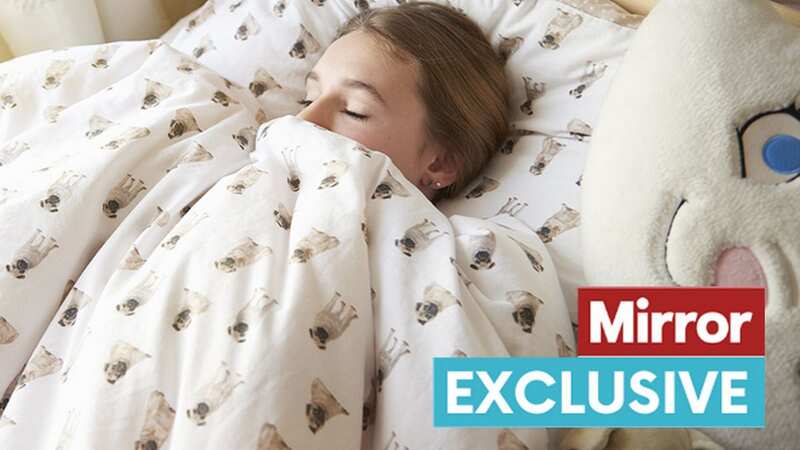
Summer can be a tricky time for parents and teenagers to navigate. Routine goes out the window, with many kids feeling excited and not wanting to go to bed at a reasonable time. But with no school to keep them in routine, their sleep pattern can quickly fall apart.
This can be tricky for parents, who are left wondering if they should wake their children up in the morning, or let them snooze into the afternoon so they can catch up on sleep. Luckily, sleep technology firm Simba has teamed up with The Sleep Charity's Lisa Artis to reveal the exact time you should send your teenager to bed - and some handy hacks to help get them there.
According to the sleep expert, even though teenagers are prone to staying up late and sleeping in, the fact is they need more shuteye than most. Speaking to The Mirror, Lisa explained: "It's important that young adults get the sleep they need. Lack of sleep has been linked to a weaker immune system, obesity, depression, and impaired learning. Plus, it affects every area of their life, from friends and family relationships to school performance and general mood."
Lisa explained that teenagers need between eight and 10 hours of sleep per night, which is more than adults, who need around seven to nine hours. That means the best bedtime window to send them to sleep is between 8pm and 12am, because "this gives sufficient time for all the non-REM sleep, which we need to function optimally," explained Lisa. She added: "Going to bed later increases the chances of lighter sleep."
If this is much earlier than they are used to going to bed, it can be challenging to get them in the right mood to sleep. One of The Sleep Charity's best tips is to avoid caffeinated drinks in the house - which also means caffeinated fizzy drinks.
 Teen 'kept as slave, starved and beaten' sues adoptive parents and authorities
Lisa explained: "Going cold turkey isn’t much fun for anyone, and it is very difficult to control what your teen consumes outside the house. However, you can control what you buy for your family. Encourage them to consume less caffeinated fizzy drinks, tea, or coffee, and choose decaffeinated alternatives for your home. Alternatively, don't ban it, but recommend a cut-off point around 5pm to lessen any impact on bedtime."
On a similar note, the sleep expert recommends reducing sugary, processed foods and instead opt for low sugar cereals, crackers and soft cheeses as a better pre-bed alternative. Lisa added: "Cheese and milk contain tryptophan, a sleep promoting amino acid."