DWP benefits - what happens when someone dies, does their entitlement continue
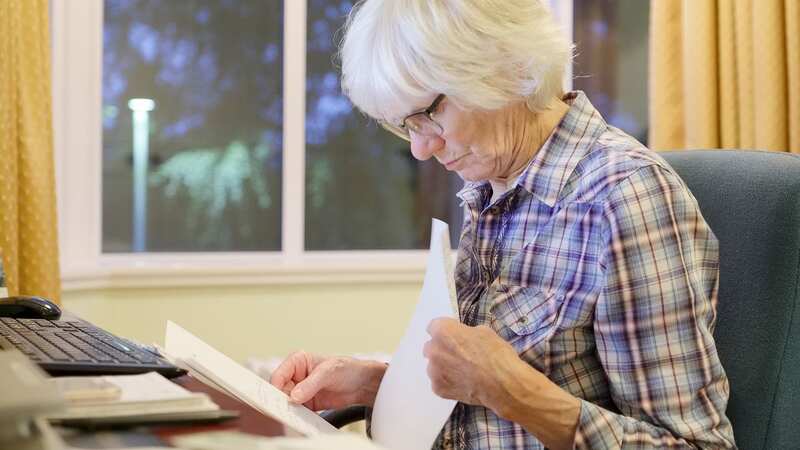
When someone close to you dies, it can be hard to get your head around the practical things that need to be done as you manage your grief.
One of those things is dealing with any benefits they may have claimed - such as Universal Credit, Tax Credits or Personal Independence Payment (PIP).
Most of the time someone's benefit payments will continue even after they have died - and according to Government Guidance, you will need to pay this money back.
In England, Wales and Scotland you can contact the Government's Tell Us Once service after someone dies.
This is a free service that can be accessed on Gov.uk and it aims to help you report the death to most Government organisations at the same time.
 Six teachers open up on 'difficult' strike decision - and why they are doing it
For example, the Department for Work and Pensions (DWP) and HMRC.
According to the charity Marie Curie, when you register a death the registrar will either complete the Tell Us Once form with you or will give you a unique reference number to use the service yourself.
You will need to use this reference number within 28 days of getting it.
Government guidance on the service says you will need the following to report the death:
- surname
- date they died
- name, address and contact details of the person or company dealing with their property, belongings and money - this is known as a person's "executor" or "administrator"
- if there’s a surviving spouse or civil partner, the name, address, phone number and the National Insurance number or date of birth of the partner
- if there’s no surviving partner then you will need to provide the name and address of their next of kin
- if they died in a hospital, nursing home, care home or hospice you will need the name and address of that institution
The Government guidance says you will also need:
- their passport number and town of birth
- their driving licence number
- their vehicle registration numbers
- the name of their local council and the services they were getting from them
- their Blue Badge number
- information on the benefits, tax credits or state pension they were receiving
Once you have reported the death through the Tell Us Once service, the DWP, HMRC and Social Security Scotland will be informed and the benefits that person received will then be cancelled.
The service will also contact someone's local council to cancel their Housing Benefit or Blue Badge and the DVLA to remove the person who died from their records.
Before the benefit payments are stopped you will also be contacted by the Government department in charge of them to discuss the person's claim further.
You should note that the Tell Us Once service only covers Government departments which means other institutions will need be told about the person's death.
This includes banks, mortgage and insurance providers, utility companies, and housing associations.
 Warning as millions on Universal Credit could miss out on hundreds of pounds
If you are receiving any carer's benefits for the person who has died these will also stop although not straight away.
Income support, Carer's Premium, and Carer's Allowance will continue to be paid for up to eight weeks after the person has died.
Again, if you're overpaid because you did not let the government department know about the person's death, you may have to repay the money.
Read more similar news:
Comments:
comments powered by Disqus