Skin cancer signs, symptoms and how to minimise your risk of getting it
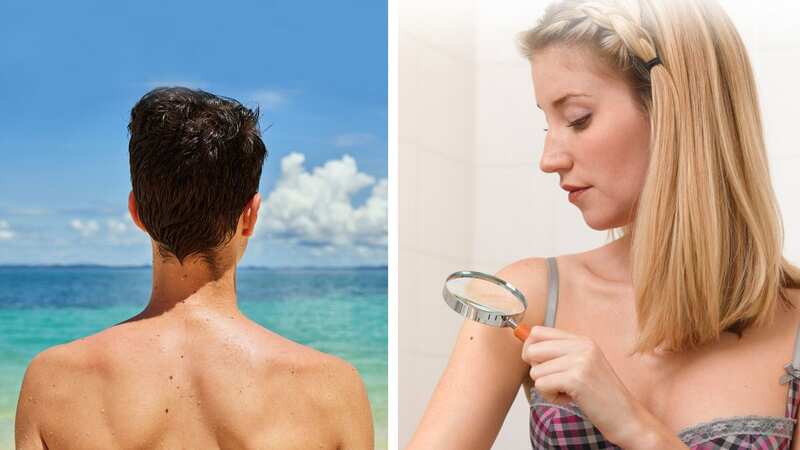
Skin cancer is one of the most common forms of the disease globally, with around 16,700 new melanoma cases every year in the UK alone.
That's around 46 per day, with rates continuing to rise. Melanoma skin cancer is the nation's fifth most common cancer, accounting for four per cent of all new cancer cases, says Cancer Research UK
Skin cancer occurs when mutations develop in the DNA of your skin cells. These mutations cause skin cells to grow uncontrollably, forming a mass of cancer cells.
Many of the causes of skin cancer are unclear, and it is important to remember that most most moles don’t turn into melanomas. Fortunately, around 86 per cent of melanoma skin cancer cases are preventable.
Dr Nikita Patel, GP and associate medical director at , answers some of your most commonly asked questions about the disease.
 Teachers, civil servants and train drivers walk out in biggest strike in decade
Want to get the latest health news direct to your inbox? Sign up for the Mirror Health newsletter
What can happen to the skin with increased sun exposure?
Too much exposure to the sun’s ultraviolet (UV) rays can cause damage to the DNA in skin cells. This can result in wrinkles, age spots and can also create genetic mutations that lead to skin cancer. It’s not just UV from the sun that can be damaging, artificial sources of light such as sunlamps and tanning beds also increase the risk of developing skin cancer.
Repeated exposure, either by the sun or by artificial sources of light, increases the risk of skin cancer in people of all ages and all skin types.
What are the key signs to look out for if you think you may have skin cancer?
Skin cancers most often develop on areas that are more regularly exposed to the sun, including the scalp, face, lips, ears, neck, chest, arms and hands, and on the legs in women.
But it’s worth being aware that skin cancers can also form on areas that rarely see the light of day — your palms, beneath your fingernails or toenails, your mouth and your genital area.
It’s important to regularly check your skin and if you spot anything new, any changes or anything unusual, contact your GP. An easy way to remember which characteristics to look out for with moles, is to think alphabetically:
A – Asymmetry – Does the mole have an irregular shape?
B – Border – Is this border irregular or jagged?
C – Colour – is the colour uneven?
D - Diameter – is the mole larger than a pea?
 Greggs, Costa & Pret coffees have 'huge differences in caffeine', says report
E – Evolving – has the mole changed in any of these areas over the past few weeks or months?
Other things to consider are if a mole has suddenly changed – has it started oozing or bleeding? Has it started become itchy or painful? These are all good reasons to seek an opinion from your GP.
What skin types are more prone to developing skin cancer?
All skin types can develop skin cancer, however people with paler skin types are at the highest risk of developing skin cancer while those with more pigmentation have more natural protection from the sun. Everyone, regardless of their skin type, should protect their skin from the sun’s UV rays and regularly check their skin as those with darker skin can still get skin cancer.
How often should people be checking their skin/moles for potential signs?
It’s important for everyone, regardless of skin type, to protect themselves from UV rays all year round, not just when there's sunny weather. Getting to know what your skin looks like normally is key, and if you see any changes or possible signs of skin cancer, go and see your GP.
What’s the difference between melanoma and non-melanoma skin cancers?
There are two main types of skin cancer: melanoma skin cancer and non-melanoma skin cancer. The type of cancer depends on the cell the cancer originates from. For example, melanoma skin cancer develops from skin cells called melanocytes and a non-melanoma skin cancer such as basal cell cancer develops from the basal cells in the skin. The cure-rates for non melanoma skin cancers are high.
 It is important to take sun safety seriously. (Getty Images)
What are some of the misconceptions around skin cancer?
- It won’t happen to me
- If I have dark skin, I probably won’t get it
- It is only a disease to worry about in older people
- If I don’t have moles, I can’t develop skin cancer
- It can be easily treated with creams and small surgeries so I don’t need to worry
- I don’t live in a hot country, so I don’t need to worry
- If it’s cloudy I don’t need SPF
What do you advise people do if they think they may have skin cancer?
- Speak to your GP
- If possible, keep a diary of the lesion, how it has changed, use a ruler to measure it and take regular photos
- Understand the risks of skin cancer and take the appropriate precautions
What can people do to minimise the risk of getting skin cancer/ protect their skin?
Sun safety:
• Avoid tanning and don’t get sunburnt
• Wear sensible clothing that covers your arms and legs
• Wear a hat with a wide brim to shade your face, head, ears, and neck
• Wear sunglasses that wrap around and block both UVA and UVB rays
• Use a broad spectrum sunscreen with a sun protection factor (SPF) of 30 or higher. Make sure it’s water resistant if you’re going to be in the water and reapply frequently
• Stay out of the sun during the hottest parts of the day, this varies depending on where you are but potentially between 10am and 4pm
• Don’t assume that because it’s cloudy you can’t get burnt
• Check your skin regularly for signs of skin cancer – this can help lead to an earlier diagnosis and increase your chances of successful treatment
Read more similar news:
Comments:
comments powered by Disqus