Neighbour's gardening project turns into £10,000 nightmare for homeowner

A neighbour's gardening project turned into a £10,000 nightmare after bamboo invaded several gardens.
The bamboo was planted along a boundary in a garden unbeknownst by homeowner Isobel Chetwood's neighbour in Knutsford, Cheshire.
She quickly noticed there was a problem when shoots began to appear in a raised bed that she had designated for growing strawberries.
She tried to take matters into her own hands but soon realised it was a losing battle.
Isobel told the neighbour's landlord about the problem and he tried to treat it with weedkiller, but it made the bamboo grow more aggressively in her garden.
 London flat for rent for £1,400 a month with bed tucked away in kitchen cupboard
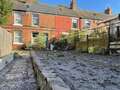
 The bamboo was planted by Isobel's neighbour (cheshire-live)
It ended up costing £10,000 to have the plant uprooted.
Isobel told ChronicleLive: “Last year the bamboo shoots started appearing prolifically and I could see it was clearly coming from next door.
"My raised bed is constructed of brick and heavy wooden sleepers, which you’d think is fairly robust, but in no time at all the bamboo was forcing its way beneath the sleepers, pushing them apart.”
 Isobel tried to take matters into her own hands but soon realised it was a losing battle (cheshire-live)
She said: "I commissioned Environet to carry out a survey of the infestation and sent it to the landlord; I think that’s when he realised we needed professional help.
"Fortunately, his landlord’s insurance covered the cost of excavating the bamboo on my side of the fence, but he had to pay for the removal on his side since it had been deliberately planted by tenants.
"I’d advise anyone thinking about planting bamboo to avoid it at all costs. It shouldn’t be sold at garden centres at all in my opinion, or at least not without a clear warning.”
 It cost £10,000 for the bamboo to get uprooted (cheshire-live)
Using a mechanical digger, Environet excavated enough bamboo root and rhizome to fill two entire skips, which involved digging up a patio to remove the extensive network of bamboo runners embedded underneath. The work cost approximately £10,000 in total.
Invasive plant specialist Environet says homeowners are unaware of the risks posed by the encroachment of bamboo from adjoining properties and the costs of repairing the serious damage it can cause.
The plant’s aggressive spread via long lateral roots extending up to 30ft from the parent plant, is also likely to trigger disputes, with close to 1 in 10 (nine per cent) of those affected having had their relationships with neighbours impacted by encroachment.
Hardy, fast-growing and tolerant of most soil types, bamboo is popular for its screening qualities, creating privacy in overlooked gardens. Commonly planted in borders and along boundary fences, it has the ability to push through brickwork, drains, patios, cavity walls and even cracks or weaknesses in concrete.
 UK house prices fall again - down 3.2% from last year peak, says Nationwide
Nic Seal, founder and Managing Director of Environet, said: “Bamboo encroachment is one of the most common problems we deal with, since unlike knotweed, it’s still being marketed and sold in garden centres up and down the country with no warning of the risks – and planted directly into the ground by unsuspecting homeowners.
"There are hundreds of varieties of bamboo and it might take ten years, but most types will become invasive eventually. Since it’s usually planted along boundaries, it can very quickly lead to legal disputes which are expensive to resolve.
“As such cases become more common, I wouldn’t be surprised if mortgage lenders start to look more closely at the issue and impose lending restrictions, similar to those for Japanese knotweed. That would at least provide some protection to innocent homebuyers who unwittingly inherit a problem that could subject them to costly removal work and even a legal claim.”
The Mirror contacted Environet for a comment.
Read more similar news:
Comments:
comments powered by Disqus