Warning signs on your toes could be a sign of dangerous health condition
Keeping an eye on our bodies and being aware of any unusual symptoms is key as it can potentially save someone's life.
Some health conditions are more subtle than others and signs cannot always be spotted early - and high cholesterol is one of these.
The condition, which can run in families, is mainly caused by eating fatty food, not exercising enough, being overweight, smoking and drinking alcohol.
There are no obvious symptoms you may be suffering with high cholesterol - a blood test is the only definitive way to know where your levels are.
But when high cholesterol becomes a lot more severe, a number of body parts may be affected.
 Baby boy has spent his life in hospital as doctors are 'scared' to discharge him
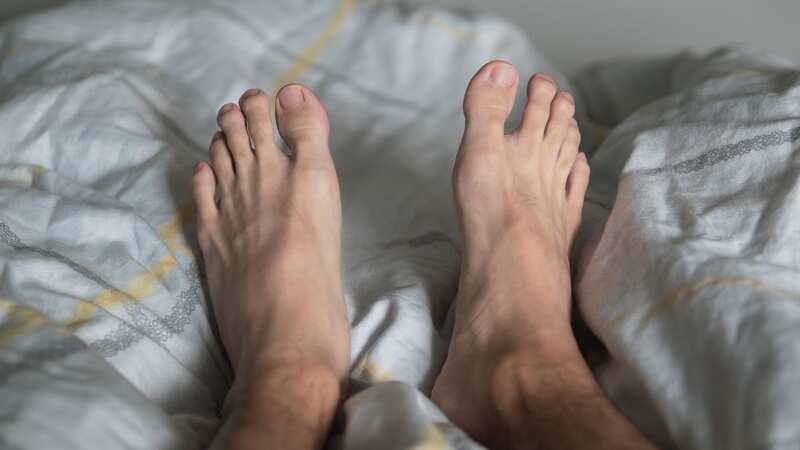
 Pain in your legs may also indicate that you suffer from the condition (Getty Images/iStockphoto)
High cholesterol goes undetected until it affects the human body to such an extent that it is difficult to get back to normal health.
Doctors and health experts always advise to have a regular health check-up so that this silent killer can be detected early and can be managed before it causes any harm.
If suffering with unusual-looking toes or pain in your legs, it could indicate dangerously high cholesterol levels.
According to Dr Sami Firoozi, consultant cardiologist at the Harley Street Clinic, part of HCA Healthcare UK, brittle or slow-growing toenails can be a tell-tale sign of the cholesterol complication.
One of the key signs is brittle toenails, the second is slow-growing toenails.
These two signs are caused by high cholesterol levels in the blood, which can cause peripheral aerial disease (PAD).
Peripheral arterial disease (PAD) refers to diseases of the blood vessels located outside the heart and brain.
The NHS said: "Many people with PAD have no symptoms. However, some develop a painful ache in their legs when they walk, which usually disappears after a few minutes' rest.
"You should see a GP if you experience recurring leg pain when exercising."
Read more similar news:
Comments:
comments powered by Disqus