07 March 2023 , 19:00
813
0
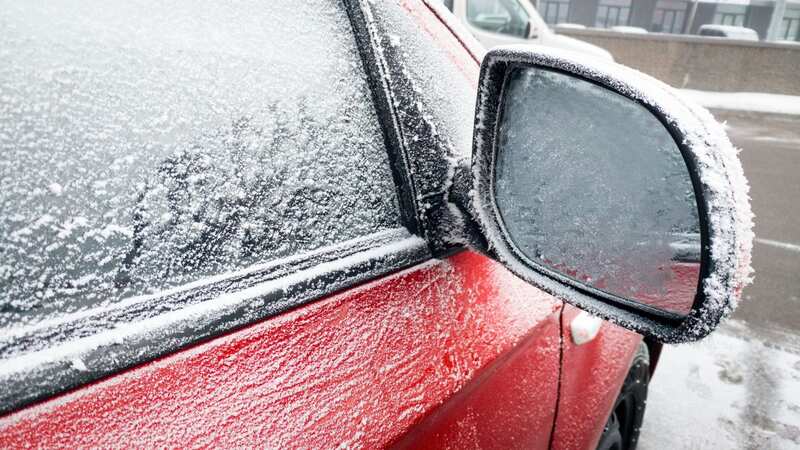
With more snow on the way for much of the UK and several snow and ice warnings in place, every driver should be thinking about how they'll prepare for poor conditions.
From leaving more time for journeys to brushing up on driving technique, there are several steps you can take to prioritise your safety on the road.
But you'll also want to think about how you'll protect your car, as experts say it is important to act now to prevent ice damage.
Sharing advice, the motoring pros at LeaseCar.uk explained why snow, frost, and ice can put your vehicle at risk - and how best to prepare.
The bad news is there are several risk factors to consider. However, there are a number of preventative steps drivers can take - some of which take as little as a few seconds.
 Gales, snow and rain to batter country today with 80mph wind gusts
 Ice, frost and snow can cause damage (stock photo) (Getty Images)
The experts warn that as temperatures plummet, rainwater can form icy shards and splinters capable of piercing tyres and causing accidents. Ice-covered windscreens can also weaken the glass and can even lead to shattering if the window already has chips or other flaws.
Wrap up the mirrors
When it comes to frosty weather, remember both your windscreen and wing mirrors might be at risk. To protect your mirrors, cover them up with screen covers to prevent snow and ice from damaging the glass.
Magnetic windscreen covers
Using a cover on the windscreen can help protect the glass from the build-up of snow and ice in the chilly mornings. They can also protect the screen from shattering, as harsh cold weather can cause breakage if there are chips in the glass.
 The experts recommend regular washes (stock photo) (Getty Images)
The pros say winter weather may also leave paintwork more vulnerable to corrosion, which can make your car rust more quickly.
Regular car washes
It's important to make sure your vehicle is clean even during winter weather, according to the pros. Washing the car regularly removes the build-up of dirt and rust from damaging the paintwork.
Wax
Waxing the car is another way to give your vehicle’s paintwork extra protection against long-term deterioration, as it forms another layer against snow and frost.
 Weather maps forecast 750-mile blizzard dropping three inches of snow next week
Park under shelter
If possible, park the car under some shelter to prevent snow from falling directly onto the car's exterior. It can decrease the chances of winter weather damaging the bodywork.
Paint protector film
The paintwork can become easily damaged by ice and snow. Paint protector film is a clear wrap that goes on the car to prevent any scratches from the weather from impacting the paintwork. Make sure to get it fitted by professionals to ensure the best protection.
Prolonged periods of cold weather may cause tyres to lose pressure and deflate, making journeys more perilous.
Regularly inflate tyres
Driving in heavy rain and on ice can lead to quicker deflation of tyres, so it's important to regularly check the tyre pressure. It can also result in internal damage to the engine if you're driving on underinflated tyres as it will work harder to cope in the winter conditions.
 Drivers should act now according to the experts (stock photo) (Getty Images)
Tim Alcock from LeaseCar.uk said: "It's important for all drivers to take extra care of their vehicles when during harsh winter weather.
"Most drivers probably underestimate the potential damage which ice in particular can do to a car’s paintwork and tyres.
"We are all aware of the road safety issues around driving on ice but few of us understand how a cold snap can impact our vehicles.
"Luckily there are a few simple steps drivers can take to protect their cars from the worst effects of snow, frost and ice.
"We're urging all motorists to follow our advice to protect their vehicles from any external damage during the cold snap."