04 March 2023 , 10:00
666
0
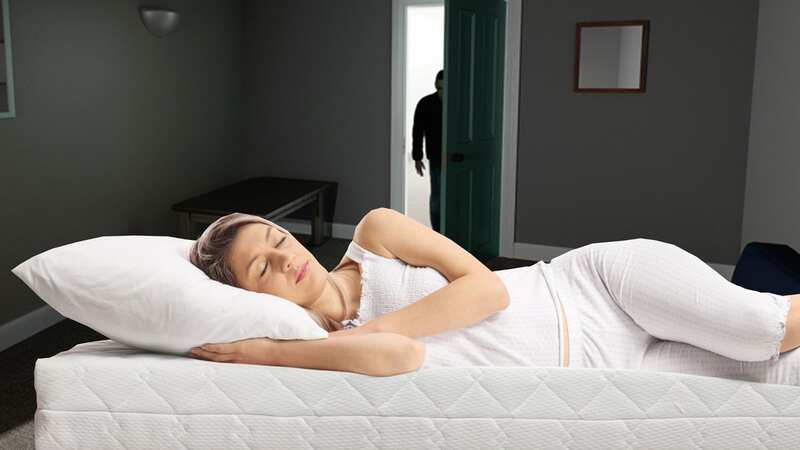
Have you ever been falling asleep or waking up only to find you can't move a muscle?
It is a terrifying feeling, and one that's surprisingly common.
It's called 'sleep paralysis', and refers to a fleeting inability to move that occurs in the blurred boundary between consciousness and dreamland.
Basically, you are in 'sleep mode' but your brain is active, and around 30 per cent of us have experienced it.
The Sleep Foundation says individuals maintain awareness during such episodes, which frequently involve troubling hallucinations and a sensation of suffocation.
 Teachers, civil servants and train drivers walk out in biggest strike in decade
The phenomenon involves elements of both sleep and wakefulness, which is partly why they can lead to distressing symptoms.
This brief inability to move is down to a momentary loss of muscle control, known as atonia.
The Sleep Foundation says standard rapid eye movement (REM) sleep involves vivid dreaming along with atonia, which usually helps prevent acting out dreams.
Atonia typically ends upon waking up, so a person never becomes conscious of this inability to move.
As a result, researchers believe that sleep paralysis involves a mixed state of consciousness.
Want to get the latest health news direct to your inbox? Sign up for the Mirror Health newsletter
 Hallucinations can involve the perception of a dangerous person or presence in the room. (Getty Images/Science Photo Libra)
Around 75 per cent of sleep paralysis episodes involve hallucinations that are noticably different from your typical dream.
As with atonia, these can occur when falling asleep (hypnagogic hallucinations) or waking up (hypnopompic hallucinations).
Hallucinations during sleep paralysis fall into three distinct categories.
It's important to remember that sleep paralysis is not considered dangerous, and despite it capable of causing emotional distress, it is still classed as a benign condition.
 Greggs, Costa & Pret coffees have 'huge differences in caffeine', says report
The NHS has issued some handy guidelines to help put your mind at rest (quite literally!).
During sleep paralysis you may feel:
These feelings can last up to several minutes.
Sleep paralysis happens when you cannot move your muscles as you are waking up or falling asleep. This is because you are in sleep mode but your brain is active.
It's not clear why sleep paralysis can happen but it has been linked with:
You may be able to prevent sleep paralysis by changing your sleeping habits.
You could try:
And make sure you don't:
The NHS advises you see a GP if you feel very anxious or scared to go to sleep and/or if you're tired all the time through lack of sleep.
A GP may be able to treat an underlying condition that could be triggering sleep paralysis such as insomnia or post-traumatic stress disorder.
If this does not help they might refer you to a doctor who specialises in sleep conditions.
It is possible you could be given medication which is usually used to treat depression. Taking this type of medicine at a lower dose can also help with sleep paralysis.
You might also be referred for cognitive behavioural therapy (CBT).