17 June 2026 , 10:36
554
0
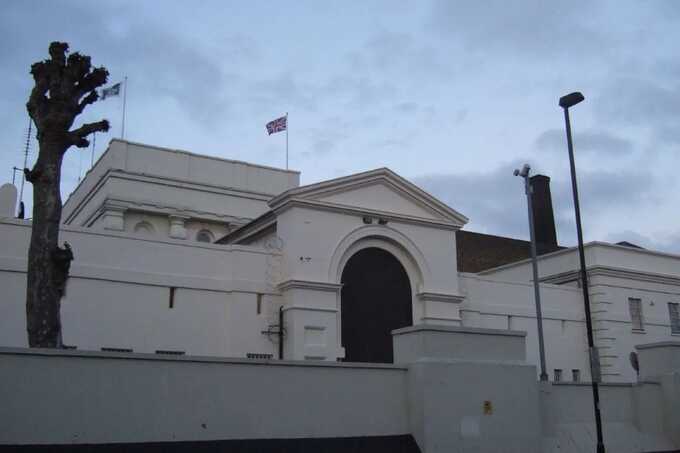
Within one year, seven men died at the ‘squalid’ and ‘inhumane’ prison.
As reported by The Londoner, at around 4.50pm on October 3 2024, a prison officer on her rounds at HMP Pentonville peered through the window of a cell on landing 4, G-wing, and spotted prisoner Peter Campbell lying on the bottom bunk, legs outstretched and a line of drool coming from his mouth.
After unlocking the door, she and another officer tried shaking Peter, but he was unconscious. Earlier that day, Peter had inhaled a huge dose of the highly dangerous synthetic cannabinoid known as spice, causing a massive cardiac arrest. Five days later, he died. He was 36 years old.
Peter’s death in the state’s care would be concerning enough on its own. But he was one of seven prisoners to die at Pentonville in the year from October 2024 to October 2025. This was nearly quadruple the number in the previous year, and higher than any other London prison in the same time period. The average annual rate across England and Wales is 3.75 deaths.
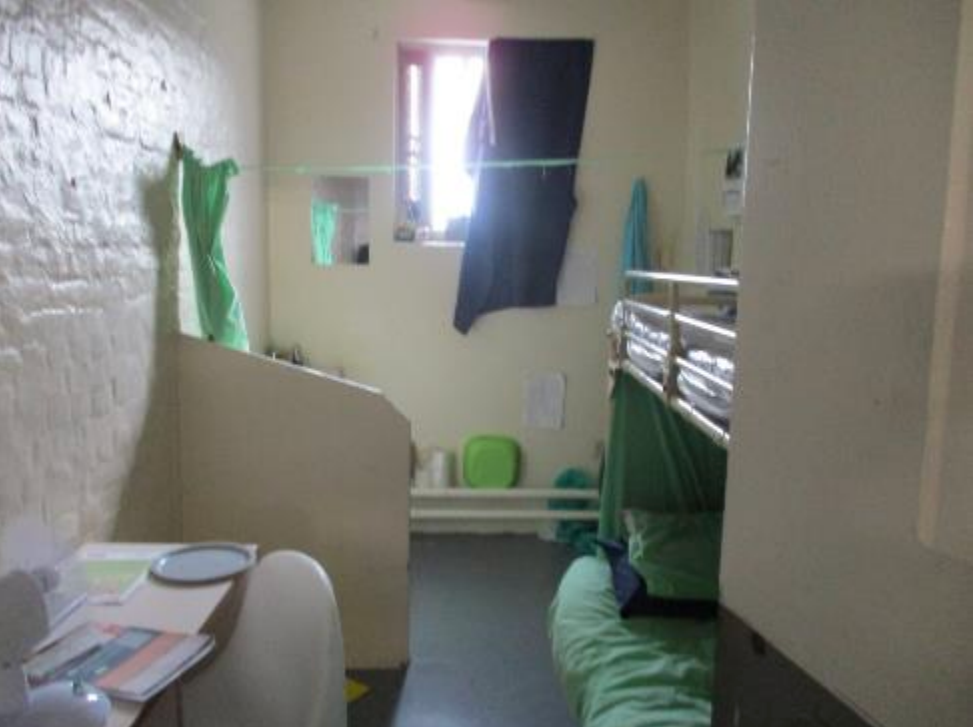
This figure was one reason why, in July last year, the chief inspector of prisons raised the alarm about conditions in Pentonville. The crumbling, vermin-infested Victorian building is overcrowded — currently at 133% capacity — and regularly sees staff shortages. Drugs are endemic.
It isn’t a new issue: in 2015, justice secretary Michael Gove called Pentonville the “most dramatic example of failure” within Britain’s prisons estate. And in 2017, the independent monitoring board for the prison described conditions as “squalid” and “inhumane”. But since then, the situation only seems to have worsened.
Why are the prison’s failings so severe? And what’s to stop them from happening again? I looked into the cases of two of the men who died to try to understand.
‘He wasn’t able to cope with prison’
In early 2026, I attended back-to-back inquests at Bow Coroner’s Court. Tucked inside a run-down former registry office, the courtroom was painted insipid lemon yellow. Interested parties sat cheek by jowl with witnesses and the public — usually just me.
There, I met Ricky Campbell, Peter’s younger brother. He was the kind of person whose face naturally defaults to smiling, and spoke a mile a minute. Peter should never have been inside such an “awful, awful prison” in the first place, Ricky told me. “My brother was an addict. He needed to be in hospital.”
Growing up in Holloway as one of nine children, Peter had matched his brother in energy. Ricky was close to Peter when they were kids, telling the coroner: “Wherever he would go, I would go.” He loved playing football and was “Gunners all the way”, Ricky assured me. When Peter was able to, he found sporadic work as a painter and decorator.
Aged 20 he served his first prison sentence. He was already using alcohol and cannabis, along with heroin and crack cocaine. That year, Peter was diagnosed with schizophrenia. Peter’s mum had also struggled with the illness, along with her own drug problems, and died when he was 21. Over the next 15 years he was frequently arrested and sectioned under the Mental Health Act. He often slept rough, and though he had periods of living in supported accommodation, he was never able to make these arrangements stick.
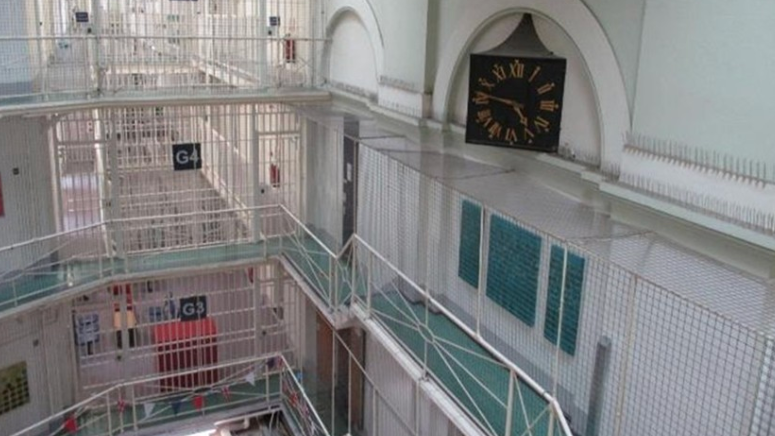
When Peter was sent to Pentonville in April 2024 on remand facing ten burglary charges, he was put on G-wing, the largest in the prison. Infamous for chaos and violence, it has been nicknamed the Gaza Strip, and is known to hold gang members and drug dealers. Each landing has two officers supervising 50 cells with roughly 90 prisoners. “That was not the right environment for him,” Ricky said. “Drugs are so available in there, he was able to feed his habit.”
Peter had overdosed several times since being moved to Pentonville. He was also assaulted at least once. Though Peter was receiving injections of anti-psychotic medication, he was not acutely psychotic and thus did not qualify for the prison’s in-patient wing, let alone transfer to a secure hospital.
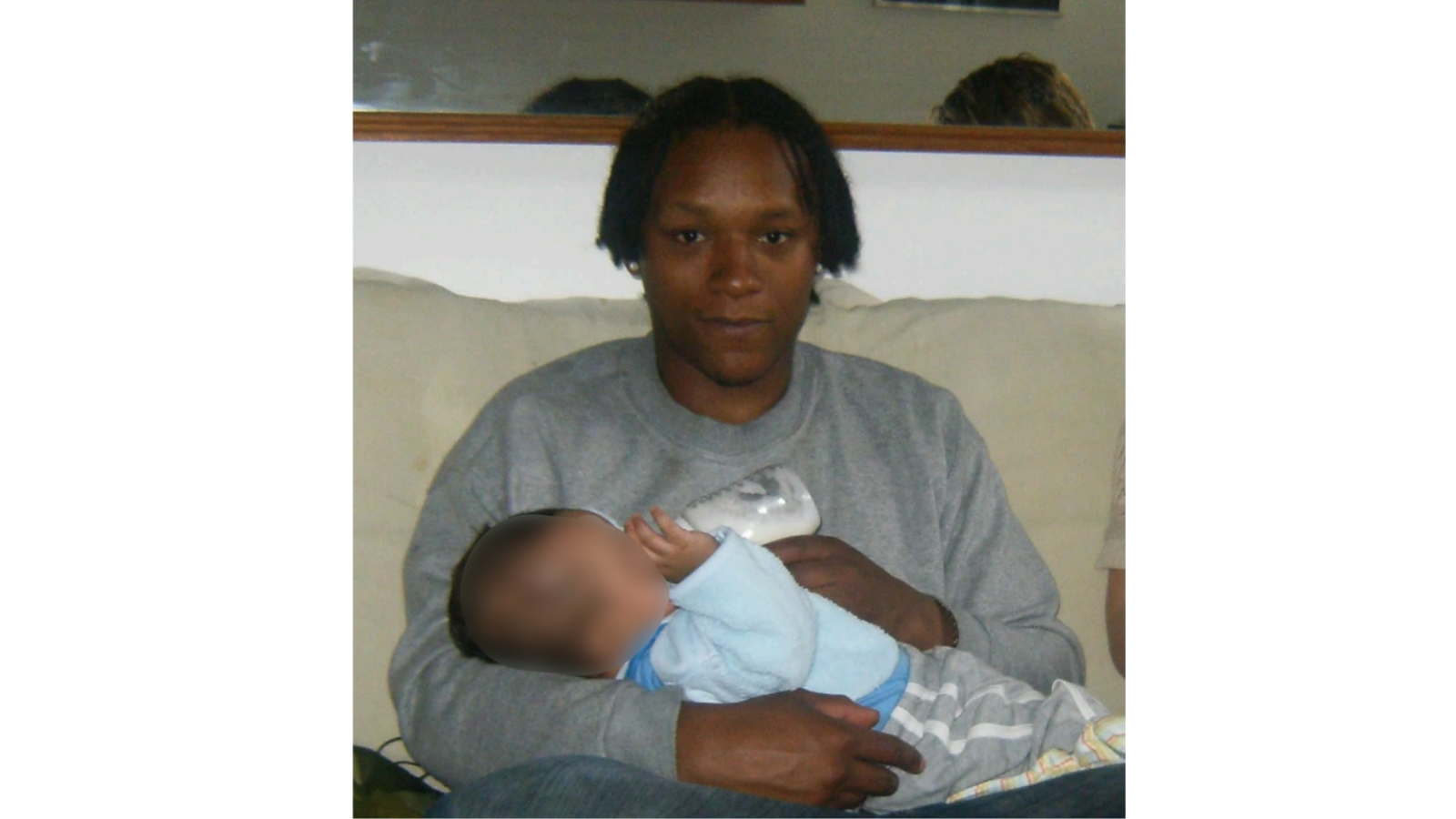
Peter had traded everything he had for spice, including his kettle and TV. Ricky explained, looking pained, that even though he spoke to his brother multiple times a day, he couldn’t send him money: “It would only feed his addiction.”
Nick Walmsley, who was in charge of the prison’s security in 2024, told the coroner that spice is perhaps the most dangerous substance he has ever seen. He spoke with frustration: “We mostly know what cannabis does to people, but spice, we’re not absolutely sure. You get a bad batch coming in, and it causes chaos.”
At the inquest, prison officers recalled that around the time of Peter’s death a particularly potent batch had been making its way around the wing — they knew this because there was a sudden spike in spice overdoses. Peter’s cellmate, appearing in court via video link, agreed it was probable dealers were using Peter to test new batches of spice. An officer said she had counselled Peter to use less risky cannabis if he couldn’t stop completely. He told her that he couldn’t afford it, saying: “If I die doing it, I die doing it.”
A mental health nurse who often visited Peter told the coroner through tears: “He was a very lovely person. He wasn’t able to cope with prison.” She explained that Peter seemed amenable to giving up drugs and was showing signs of cutting back. “He was really keen to stop. He told me he wanted to go back to work, to be in supported living.”
Peter was known to the prison’s intervention teams, but the jury found they had failed to provide any meaningful interaction with him after his previous overdose in September. When a recovery worker from Phoenix Futures, the prison’s drug rehabilitation service, visited Peter just two days before his fatal overdose, she saw him for less than five minutes. They spoke through the window of his cell door with his cell mate listening, and she left Peter with a leaflet about self-referring to their services. She didn’t come back to check on him.
When I asked Phoenix Futures about this, they told me: “We have carefully considered the concerns raised by the coroner and reflected on their relevance to our practice in order to identify improvements we can make to the service.”
Ricky and his siblings sat with Peter in the hospital in October until his death. Reading the family’s statement at the inquest, he told the jury: “Peter deserved better than the system gave him.”
After the inquest, the coroner published a prevention of future death report, addressed to senior ministers as well as the prison service. She wrote with concern about the prison’s failure to stem the tide of drugs: “There is a risk of prisoners leaving prison in a worse state than when they went in.”
Christmas inside
Built in 1842, Pentonville is a category B and C prison, which means it functions as a local prison for men on remand (awaiting trial) and as a training prison for men serving long sentences.
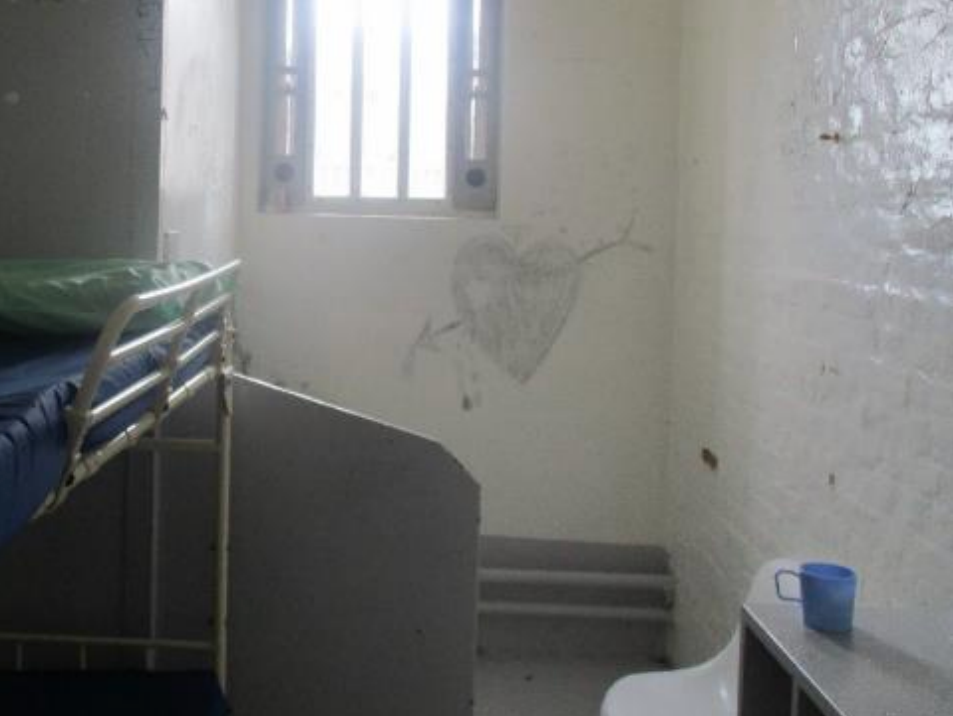
The imposing, Grade-II listed building is crammed with around 1,200 men. It is also overpopulated by cockroaches, rats and flies. Last year, inspectors noted the men frequently spent 22 hours a day locked in “squalid” cells originally designed for one occupant. In July 2025, chief inspector Charlie Taylor wrote that prison leadership was “failing to ensure even the most basic standards were maintained”.
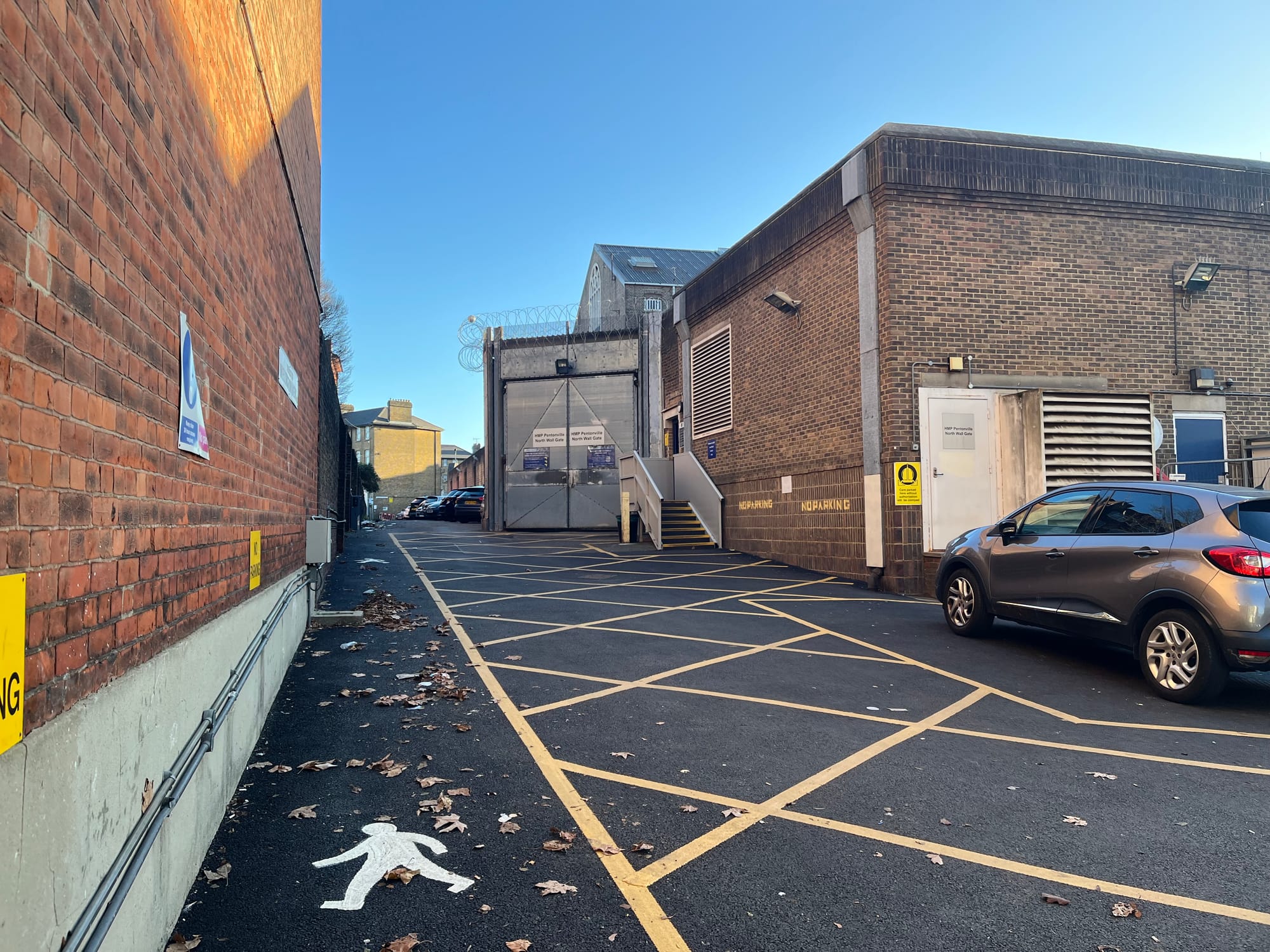
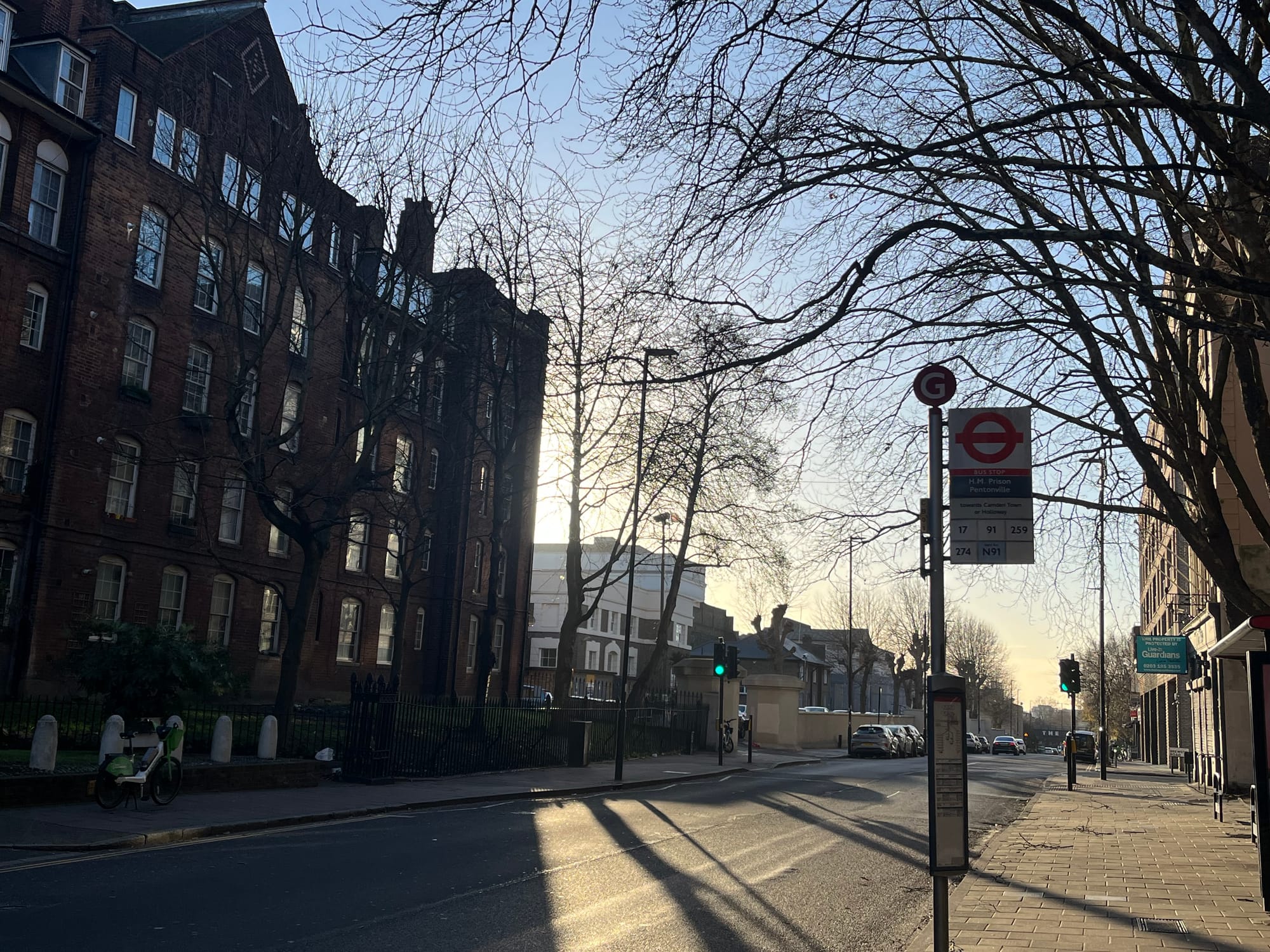
Though Pentonville is in Zone 2 — you can get a pretty good view of it from the top deck of a bus going down Caledonian Road — most Londoners have little idea what goes on inside. On Christmas morning 2025, I had the rare opportunity to visit. I walked from my flat through the quiet streets, passing a man in pyjamas juggling four bottles of fizz and two rough sleepers huddled against the cold.
I was a guest of one of the prison chaplains, Reverend Jonathan Aitken. (And yes, he is the former Tory cabinet minister who served seven months at Belmarsh in 1999 for perjury.) After passing through security, I was escorted to Pentonville’s high-ceilinged chapel for the Christmas Day service.
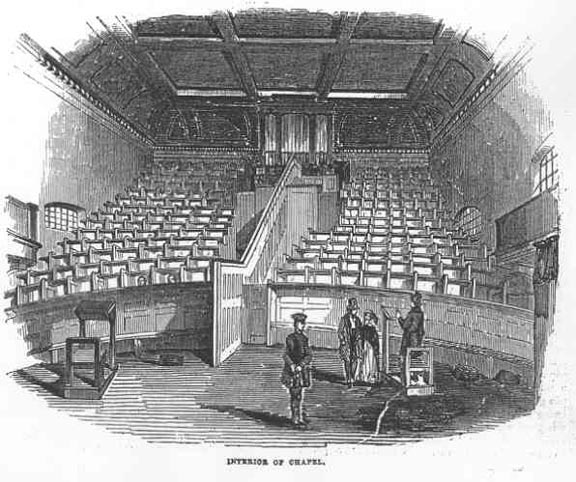
There, I chatted to a bespectacled inmate named Aaron, who summed up life in prison as he passed out leaflets: “Imagine sharing a disabled toilet with another person. That’s what it feels like.” He had served 20 months on remand and been released on bail, before receiving his sentence and returning inside.
I watched as prisoners in grey tracksuits were frisked by officers with metal detectors and made their way to the pews. Wearing a glittering golden robe and holding a tall staff that served as his walking stick, Aitken shook the men’s hands as they entered. He looked a little like depictions of one of the magi in Bethlehem.
During the service, I perched awkwardly at the back of the chapel, between an officer and a big green button she would push if things kicked off. The men seemed generally chirpy, especially when tiny cups of communion wine and wafers were passed around. But there was gloom in the air: the only people who choose to spend Christmas in prison are chaplains and journalists.
After chapel, Aitken ditched the robe and took me on a tour. We visited J-wing, which felt cheerful, with music blaring and Christmas decorations strung about. A drug-free unit, J-wing occupants agree to voluntary testing and a behaviour compact, and in exchange gain additional privileges.
Drugs are “rife” in Pentonville, as the coroner put it. They are flown in via drone or thrown over walls, virtually unimpeded by anti-drone netting — the old walls are “too soft” to support sturdier nets. They arrive in the post and are smuggled in by staff and visitors. A revolving door of prisoners doing short stints creates prime conditions for dealers.
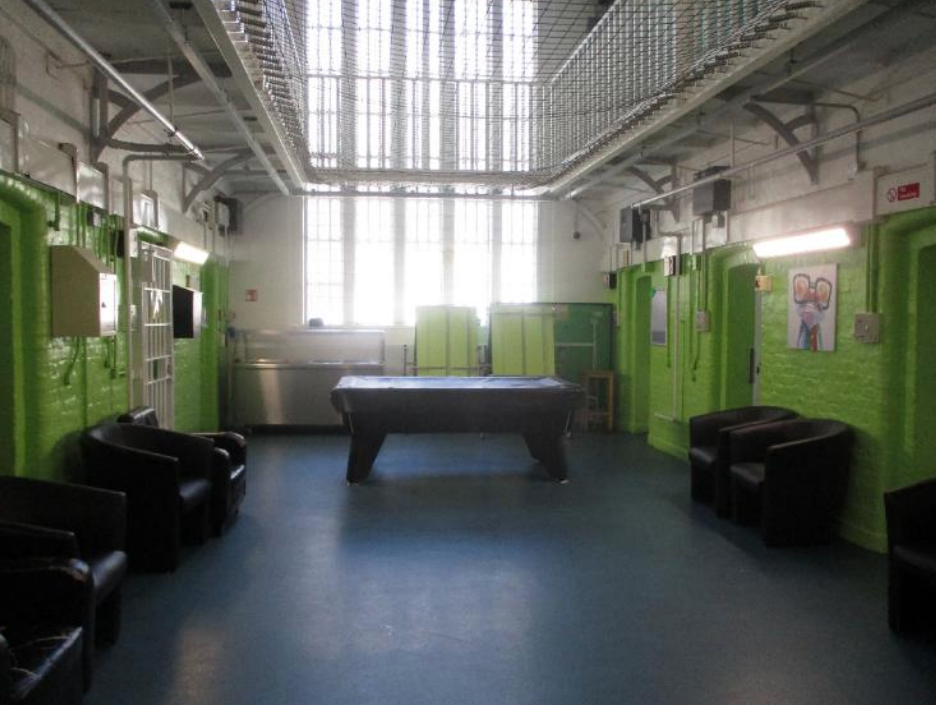
During the 2025 inspection, out of 390 new arrivals to Pentonville each month, 360 on average had problems with substance misuse, and a third of inmates tested positive in random drug trials. Even more troublingly, 17% of inmates said they developed a drug problem while inside. The drug-free unit has space for only 60 prisoners, so most live as part of the general population.
The Ministry of Justice (MOJ) told me they have spent £10m on anti-drone measures. A spokesperson said: “All our prisons have trace detection equipment, which is used to identify the presence of drugs on physical items. Dedicated search teams are in place to find and remove illicit items.”
Tom Wheatley, a former prison governor and president of the Prison Governor’s Association, said the key to keeping prisoners off drugs is stopping them from getting bored. This requires proper staffing: “While prisons aren’t staffed sufficiently to provide a full regime [of activities], it increases the risk that people will turn to illicit drugs.”
This is par for the course at Pentonville. Waiting around at the end of the chapel service, I met a prisoner called Gary. He said that long periods in your cell were the hardest thing about being a prisoner. “I’m not much good at reading, and the stuff on the TV is all the same, so I’m just alone with my own thoughts.”
‘He still had hope’
Drugs are just one problem Pentonville faces. The prison also holds hundreds of men with other serious mental health issues — and day-to-day overworked landing officers are responsible for their welfare, meaning too many fall through the cracks.
Mujahid Adam, who died in Pentonville last year, faced significant challenges with his mental health. He was born a world away from north London in Nyala, a small city in the Darfur region of Sudan. His family struggled in poverty, and aged two he lost his father in the brutal fighting between rebel groups and the government. Not much is known about his journey to Europe as a teenage asylum seeker, except that it left him with PTSD. Tony, his social worker in Camden, believed Mujahid had been a victim of modern slavery.
Tony helped Mujahid find a place to live in Lewisham, and he attended college, where he studied English and maths. He had hopes of getting work as a mechanic. Tony said he had liked the area and built up a friendship circle at college. “He was a likeable young man, friendly and outgoing.”
At the inquest into Mujahid’s death, the courtroom heating was broken and it was bitterly cold. The first person I met was Mustafa, a trim figure in a dark blue suit and puffer coat. The two were friends as children in Sudan, but they had lost touch. Then, unexpectedly, Mustafa bumped into Mujahid in Islington sometime around 2020. He gathered Mujahid had arrived in the UK earlier that year. Through his own experiences, Mustafa had some insight into what Mujahid had gone through in getting to the UK. It had been terrible, he said, “We didn’t choose to go, we were young, we just followed people and crossed the border. Any money we did get we used to survive.”
He told me Mujahid was funny and kind, and that he liked to help people. Like Peter, he’d been an Arsenal fan and had played football whenever he got the chance. Mustafa couldn’t understand where things had gone wrong for Mujahid — he had no information except that he had been arrested and later died, and he was hopeful the inquest would give some answers.
Bakhit Adam — a family friend, rather than a relation — was also there to find answers. He had a round, smiling face, and I could hear his stomach rumbling in court — these were the early days of Ramadan. When I asked how fasting was going, he laughed and said it was considerably easier in London than in the heat of Sudan.
Speaking about Mujahid’s childhood was visibly painful for him. “It was hard leaving,” he told me as we stood in the icy wind, “but what happened in Sudan was even harder.” He said that, as the only son, Mujahid had worked from a young age and had a difficult time in the family home: “Laws to protect kids are not the same as what there is in the UK”.
Mujahid struggled the moment he arrived in London as an unaccompanied minor. Over a two-year period, he was picked up twice for using and/or selling class-A drugs, spent ten weeks in a young offenders’ institute and was assaulted at least three times. One attack left him with a stab wound in the thigh.
In February 2024, he was arrested, along with two men who lived in the same accommodation, and charged with rape, an allegation he denied. Remanded to Pentonville, Mujahid was classed as a vulnerable prisoner, placed on a separate unit on D-wing. This classification is offered to individuals accused of sexual offences, who are common targets for assault.
But being separated from the general population didn’t protect Mujahid. In April 2024, his cellmate attacked him with a kettle full of boiling water. At the inquest, Mujahid’s doctor held up a graphic photograph of the scarlet wound stretching across his neck and shoulder. When Mujahid got back from hospital he was moved to a different wing but no charges were brought against his assailant, and Tony only found out about it because Mujahid wrote him a letter months later.
In October 2024 Mujahid’s case went to court, but there was a hung jury and he went back to Pentonville on remand. After that, people noticed a change in his demeanour. “He was very disappointed, very upset,” Tony remembered about Mujahid after the trial. “He wanted everything to be done so he knew where he was going to be.”
It was in this frame of mind that Mujahid was found in his cell on February 19, 2025, having attempted to hang himself. Once again, Tony was not informed, despite Camden council being legally classed as Mujahid’s corporate parent.
When a prisoner is considered at risk of self-harm or suicide, prisons create an Assessment, Care in Custody and Teamwork (ACCT) document to track their welfare. This is supposed to be reviewed by a “multidisciplinary team”, which means — at a minimum — a prison officer, one other member of staff and the prisoner himself. Aside from encouraging the prisoner to engage with services in the prison, the team’s main power is to put the individual under observation.
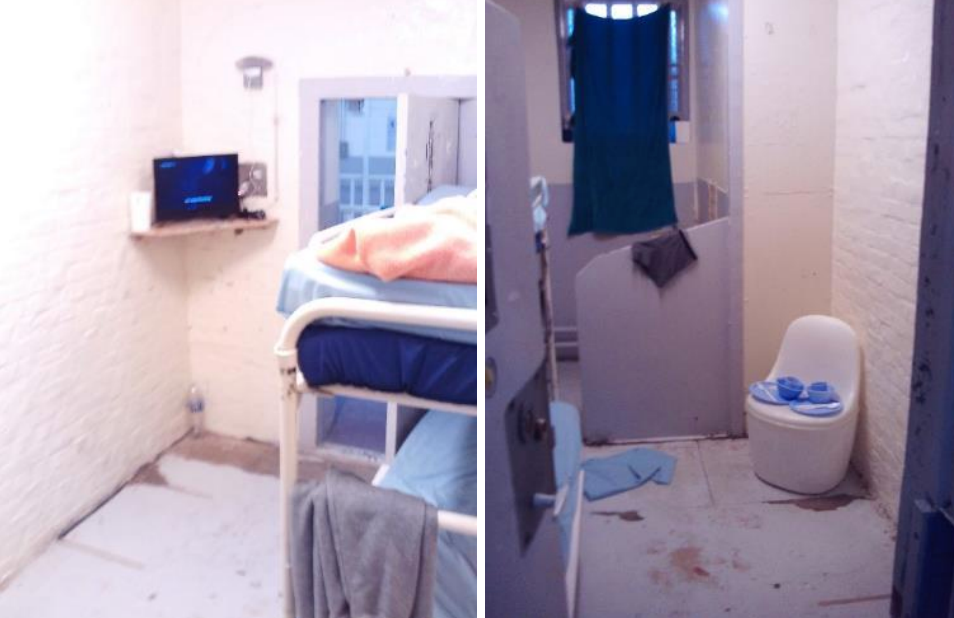
Under an ACCT, Mujahid was moved to a special constant watch cell with a reinforced glass door. Somewhere along the way, however, the process went awry. On March 4, the team agreed that Mujahid would stay in his current cell but be observed only every 15 minutes, instead of constantly. Prison staff said they thought two weeks on constant watch could do more damage to his mental state.
On March 15, an officer found Mujahid hanging by the neck in the constant watch cell. This time he could not be revived. He died in hospital, five days later, at the age of 20.
“He was struggling to live here, but he still had hope,” Bakhit said to me. “He had a plan to change his life. But ending up in prison and losing his life after thinking he was coming to a safe place, it is very sad.”
Was his death preventable? At the inquest, we watched 30 minutes of CCTV footage, which seemed to show only cursory glances at his door by the landing officer. When he saw Mujahid hanging, he didn’t immediately attend to him, but walked away to fetch his supervisor who cut Mujahid down — the officer said he was worried it was an ambush. When police arrived to investigate the death, they heard a prisoner shout from the floor above: “They weren’t watching him!”
Several officers claimed they can usually see a prisoner in an observation cell from a distance, so won’t go right up to the door. I thought of how, during my visit, we walked along A-wing and passed a constant watch cell with an officer sitting outside. I tried to peer in: the angle of the sunlight revealed the dim silhouette of a man lying in bed, but not much else.
The prison officers also said that lapses in observations were due to understaffing. On March 15, the 185-man A-wing had one supervising officer instead of two, and two landing officers instead of four. There were around ten ACCTs active that week on the wing, more than usual. Stephen Dean, the governor now in charge of safety at Pentonville, said at the inquest it would have been possible to restrict the daily regime so that staff were less busy, but for some reason this did not happen.
The condition of Mujahid’s cell did not help matters. He was able to secretly dismantle furniture and might have been able to hide things in the hole left by the crumbling plasterwork around the toilet waste pipe — both of which eventually enabled him to hang himself.
The coroner asked a custodial manager involved in Mujahid’s ACCT what she thought had gone wrong. After 27 years in the prison service, she said she did not think it was possible to reduce someone’s risk to zero. But, she told the inquest, “I’ve taken this case to heart... He was a young man, and I had a lot of dealings with trying to reduce his risk, and somewhere along the line I failed.” Choking up, she said they tried to protect him. “Ultimately we weren’t able to do that, but we tried our best.”
The pressure-cooker of Pentonville
The state of Pentonville’s crumbling Victorian buildings are often identified as the root cause of its failures. These are, undoubtedly, a major issue. When I asked Wheatley, he explained to me how the environment damages officer morale and increases staff turnover.
He also said it impacts the “psychological contract” between the prison and prisoners: “Part of that contract is: we’ll put you in an environment that’s not infested with vermin, it’s not freezing cold at night, sewage doesn’t overflow out of the toilet when it rains… if that contract is broken, prisoners behave accordingly.”
Yet after learning the details of Peter and Mujahid’s cases, I’m not so sure that, had Pentonville remained the same but with brand new facilities, the outcomes would have been different.
Part of the difficulty faced by Pentonville is that roughly 80% of men there are currently on remand — and due to post-Covid court backlogs, this wait to be convicted or sentenced can now last much longer than the legal six-month time limit. Nationally, a third of self-inflicted deaths and a fifth of self harm incidents in prisons involve prisoners on remand. At Pentonville, Aitken tells me, this has created an atmosphere “like a pressure cooker”.
It is not uncommon for prisons to be used as an extension of mental health services by the courts. This is due to change: from later this year, it will no longer be possible to remand someone to prison solely because they are deemed to be at high risk of suicide.
A lack of empathy
If there was one consistent factor in the failures that led to both Peter and Mujahid’s deaths, it was staffing problems — either staff making mistakes, or simply not having the time and resources to do their job. An MOJ spokesperson responded: “All staff at the prison are fully trained and we reject claims a lack of training was a contributing factor to the deaths in custody”.
Aitken told me he was amazed at “how many good officers there are, who stay despite everything”. Unfortunately, there are others whose performance falls short. Last year’s inspector’s report said prison staff were “failing to provide even basic care to prisoners” and showed “a noticeable lack of empathy and care”.
According to Phil Hannant from the Prison Officers’ Association, officers do not have the resources to help many of those in their care. “It’s a crisis, dealing with prisoners on a daily basis who shouldn’t be in prison but in a secure hospital. We’re not trained to cope with that.”
The problem is partly a numbers game. It dates back to 2013 austerity measures, when the MOJ offered voluntary redundancy to 10,000 experienced prison staff (a move it instantly regretted, rehiring 2,000 of them on expensive temporary contracts in 2014).
These days, prison officers are recruited through an online application and receive just ten weeks’ training before they start work on the wing. The BBC reported in December that 150,000 work days were lost to mental illness among prison staff in 2024.
I heard on the grapevine that officer jobs at Pentonville are somewhat desirable. Salaries start slightly higher at inner London prisons (£41,984 for 39 hrs a week). On the other hand, thanks to local housing prices, many officers are still commuting over an hour to work.
Much of a prisoner’s experience is dictated by how much they actively seek out help. At another inquest, two inmates at Pentonville said that they felt reticent to tell them if something was wrong. One said: “I feel I don’t want to ring the cell bell as I don’t want to bother officers that are busy.” Failures in care often seem to be blamed on the prisoner not engaging.
Yet government ministers have seemingly chosen inaction over dealing with the severe problems at the prison, despite repeatedly being made aware. In the prison service’s annual ranking of institutions, used to brief top ministers, Pentonville has received “prison of serious concern”, the lowest rating, every other year for a decade. The prison service also received annual warnings from the prison’s independent monitoring board.
In the past decade, the government has also received strongly worded warnings from over 20 ombudsman’s reports and a dozen prevention of future death reports from coroners. They note repeated failures in the use of ACCTs, staff not having basic CPR training, and the poor state of repairs in the prison endangering prisoners.
What’s next?
Pentonville received an injection of cash in August 2025 to fix some of its urgent problems, likely from other prisons’ budgets.
When inspectors visited Pentonville in April, nine months after the urgent notification, they found some positive changes. Reasonable progress had been made to improve ACCT management and training had been introduced to address poor relationships between staff and prisoners. On the other hand, little progress had been made to give prisoners a reasonable amount of time out of their cells.
Perhaps most tellingly, there have been no deaths at Pentonville in 2026. The inspectorate concluded that its urgent notification led to improvements that have had a material impact, suggesting that if investment had come earlier, lives could have been saved. There is also a blunt economic argument: the Howard League, a prison reform charity, calculated a decade ago that every suicide in prison cost taxpayers £1.67m.
Ironically, Pentonville’s reputation has also made it a testing ground for innovation which has seen some positive results. Along with the drug-free wing, it opened a neurodiversity unit, leading to a reduction in violence and self-harm. It has joined Wandsworth prison in piloting a new style of wing inspired by more liberal Scandinavian prisons.
These pilot schemes illustrate the challenge prisons face: preventing people with highly complex needs from hurting themselves or going on to reoffend, without undermining the government of the day’s “tough on crime” stance. It is telling that prisons make an effort to avoid shouting about these initiatives, lest they be picked apart by the tabloids.
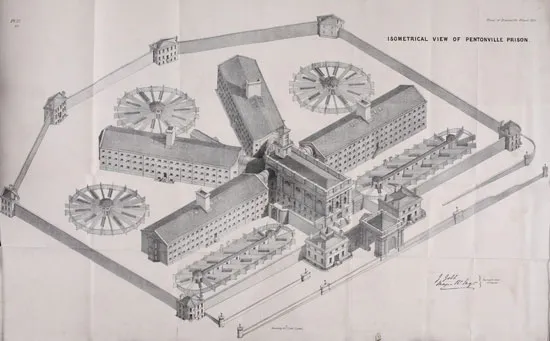
In 2016, then-justice secretary Michael Gove proposed to fix Pentonville’s problems by knocking it down and selling the land. This idea was proposed again last year by Islington MP Emily Thornberry following the inspector’s urgent notification.
While some may welcome this, many who work there are oddly affectionate towards the prison. Indeed, Aitken said working as chaplain made him “fall in love” with it. “Pentonville contains everything from the inspirational to the ghastly,” he told me when we first met. “All of human life is here.”

Deputy Editor