RSPB buys two Scottish islands with £586,000 public backing to protect seabirds
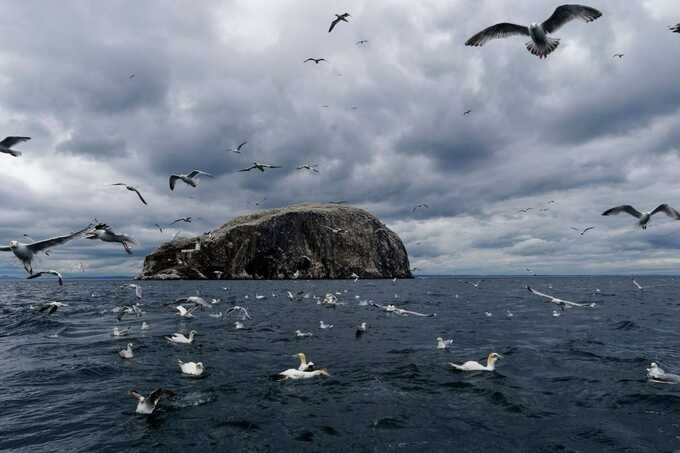
The Royal Society for the Protection of Birds (RSPB) has purchased two islands off Scotland’s east coast to protect their "awe-inspiring" seabird colonies.
The charity has acquired Bass Rock and Craigleith islands in the Firth of Forth from the Dalrymple family, with the support of £586,000 in public funds provided through the National Heritage Memorial Fund, which was established to buy the nation’s greatest heritage sites and enhance public access.
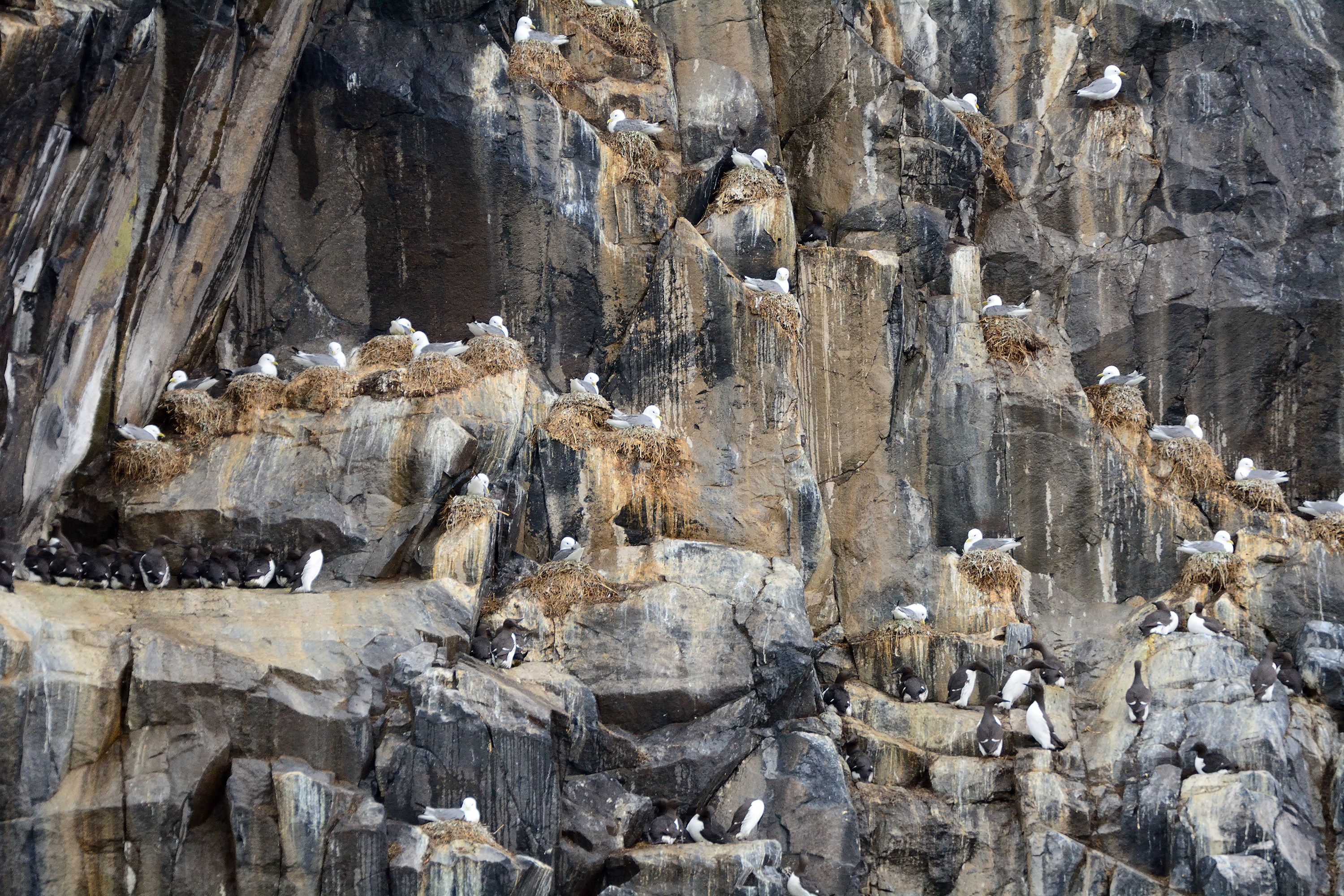
Home to gannets, puffins, guillemots, razorbills, kittiwakes, and various gull species, the islands are rare as seabird sanctuaries close to the mainland and famously inspired Robert Louis Stevenson’s novel Catriona.
As the breeding season peaks, it is estimated that Bass Rock’s population of gannets reaches around 100,000, while neighboring Craigleith could be home to as many as 10,000 puffins.
Thousands of birds can be seen sheltering among crags, soaring overhead, swooping down towards the sea surrounding Craigleith, or hovering around Bass Rock’s lighthouse and the ruins of a medieval castle.
However, the bird populations are facing numerous growing threats, including pollution, overfishing, offshore industries and wind turbines, invasive species such as tree mallow, and avian flu, which killed a large number of gannets on Bass Rock in 2022.
This is part of a broader context of major declines in Scotland’s seabirds, with conservationists finding that 70% of species are experiencing decreasing numbers.
Duncan Orr-Ewing, RSPB Scotland’s head of reserves, told the Press Association: “It’s just a seabird spectacle. It is one of the true spectacles of the wildlife world.
“Owning a place like the Bass Rock is an absolute privilege as a world-renowned seabird site, which is very unique for its proximity to the mainland.
“Most of our best seabird sites are on remote islands or places that are difficult to get to, but this site is within sight of Edinburgh, the Lothian coast and a large part of Scotland’s population, and people travel from all over the world to see it.
“We will use the skills that we’ve gained from managing seabird sites elsewhere in Scotland and the rest of the UK to keep this in top condition and protect it from external threats.”
The Dalrymple family, which had owned the islands for more than 300 years, has long collaborated with the Scottish Seabird Centre, based in nearby North Berwick, to conduct conservation work, such as removing tree mallow and other invasive species.
Sir Hew Dalrymple said his family has had the “great privilege” of being custodians of the islands for centuries but that “unprecedented challenges” to the seabirds are increasing.
Speaking to PA, Sir Hew said he is transferring stewardship of the islands to the organization best equipped to protect the wildlife with conservation expertise as well as political advocacy, working alongside the Scottish Seabird Centre.
“If we don’t protect the wildlife around us, I think ultimately there will be catastrophic consequences for the planet,” he said.
“It’s difficult in this day and age for an individual to stand up and be heard,” he said.
“The RSPB and Seabird Centre have taken a stand, trying to prevent this damage, and I felt they were much better equipped to protect the colonies.
“Therefore, it was a rational rather than emotional decision.”
The RSPB and Scottish Seabird Centre will implement a new coordinated conservation plan involving monitoring and research, working with volunteers to help the species thrive, and engaging with MPs over the challenges seabirds and Scotland’s marine environment face.
They intend to introduce several initiatives to enhance public access to the islands, including a new immersive 360-degree viewing theatre at the Scottish Seabird Centre that will allow people to watch species in real time without disturbing their habitats and inclusive boat trips.
There will also be school workshops and a project to compile community memories of the islands for their rich histories and depictions in art and literature, as well as their role as seabird strongholds.
This will be supported by an additional £372,000 in development funding from the National Lottery’s heritage fund, with the potential for a further £589,000 from money raised by lottery players.
Simon Thurley, chairman of the National Heritage Memorial Fund and The National Lottery Heritage Fund, said: “It’s a really proud day for us when we add another asset to the collection.
Speaking about Bass Rock, he said: “This is something else really. It’s tremendously impressive and it’s a wonderful feeling that you can secure it for the public and the people of the UK.”
Mr. Thurley also said it marks a “fantastic example of our vision for supporting nature’s recovery and enabling people to connect positively with the world around them.”
Harry Huyton, chief executive of the Scottish Seabird Centre, said: “Bass Rock and Craigleith are among the world’s most awe-inspiring natural wonders, and their integration into the RSPB’s nature reserve network is a historic day for Scottish nature.”

Technology & Business Editor
Read more similar news:
Comments:
comments powered by Disqus