07 May 2026 , 23:25
453
0
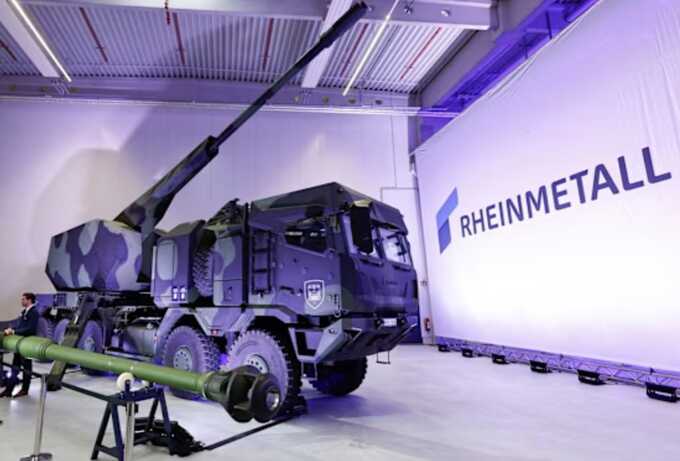
Rheinmetall plans to start producing "deep strike" weapons for Germany and other nations as early as this year as Europe races to fill capability gaps in its plans to deter Russia.
The German arms group said its new joint venture with Dutch defense start-up Destinus, announced last month, would start production late this year or in early 2027.
Rheinmetall Destinus Strike Systems will produce cruise missiles as well as ballistic rocket artillery, the company said as it published its quarterly results on Thursday, with the aim of meeting the demands of Germany and international customers.
Destinus, founded in 2021, last month said that it had completed a successful test flight of its new deep-strike system, Ruta Block 2.
With a stated range of 700km or more, the missile has a significantly shorter reach than weapons such as the Tomahawk land and naval-based cruise missiles that were due to be deployed to Germany by the US this year.
But US President Donald Trump on Friday canceled the Biden-era plan, which had been aimed at providing Europe with the ability to strike targets inside Russia.
The abrupt U-turn has prompted Berlin and other European capitals to step up their efforts to acquire stopgaps and accelerate projects to develop their own deep precision-strike capabilities.
Destinus already supplies cruise missiles to Ukraine and was last month named by Russia’s defense ministry on a list of possible targets because of its role in providing Kyiv with weapons.
The new joint venture marks the German group’s first move into producing cruise missiles, muscling in on a market whose dominant regional player is the pan-European group MBDA.
Traditionally a maker of tanks, artillery and ammunition, Düsseldorf-based Rheinmetall has been expanding across domains as it harnesses a surge in European defense spending.
Although the company’s revenues and profits for the first quarter fell short of analysts’ expectations, it said orders would pick up in the second quarter of 2026.
It said it was on track to meet its full-year 2026 guidance for revenue growth of 40-45 percent, bringing sales from about €10bn last year to more than €14bn in 2026.
“Overall, we are well on course to achieve our ambitious annual targets,” said chief executive Armin Papperger.
The company’s order backlog reached a record €73bn — up from €56bn a year ago. That includes €5.5bn from its new naval division after the completion this year of its acquisition of Bremen-based shipyard Naval Vessels Lürssen.
Shares in the group were down 3 percent to €1,397 in morning trading.

Head of Investigations