15 April 2026 , 20:22
582
0
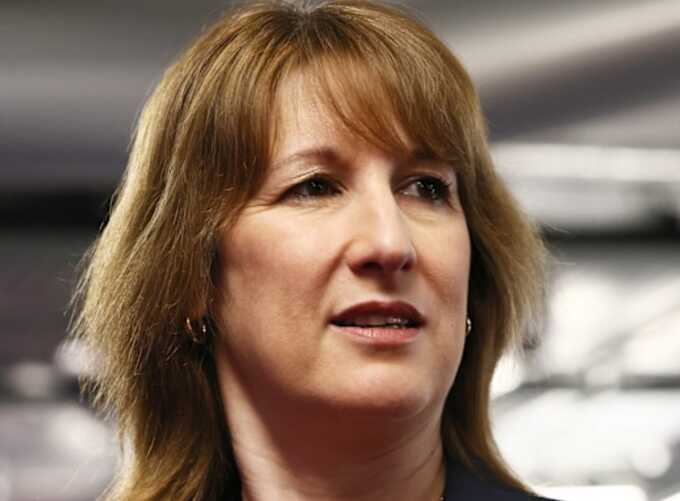
Rachel Reeves has intensified her criticism of Donald Trump’s military actions in Iran, calling it a “mistake” that has destabilized the global economy and negatively impacted living standards worldwide.
Indicating a significant strain in the transatlantic relationship, the UK Chancellor stated that Trump’s withdrawal from diplomatic talks with Iran and his decision to launch airstrikes have not made the world a safer place.
“I think it was a mistake to end those [talks with Iran] and to engage in conflict because I’m not convinced we are safer today than we were a few weeks ago,” she remarked at an event in Washington.
The remarks on the President’s home ground echo statements Reeves made just before traveling on Tuesday, where she voiced frustration about the “folly” of his decision to go to war without a clear exit strategy.
While preparing to meet finance ministers globally, Reeves indicated that the war, particularly the disruption of Gulf shipping, was harming the living standards of families and businesses in the UK and the US.
“We need to reopen the Strait of Hormuz to lower energy prices and to strengthen and stabilize,” she said at the CNBC Invest in America conference in the US capital.
“We had the waterway open a few weeks ago. So now the objective is to reopen the Strait of Hormuz? Well, it was open at the beginning of this conflict,” Reeves added.
The Chancellor stated there was confusion regarding Trump’s objectives for the conflict, which has destabilized the world economy. Entering the war without clear goals laid the groundwork for a prolonged conflict that risks hindering efforts to end Iran’s nuclear ambitions, she added.
“They don’t have a nuclear weapon today, and what do people think is the best way to prevent that – is it through conflict or through diplomacy? I believe it is through diplomacy,” she said. “There was a diplomatic channel, conversations, and formal discussions were happening.”
Reeves mentioned she had traveled to Washington for the meetings of the International Monetary Fund and the World Bank to “deliver that fair message” that the Middle East conflict was impacting living standards globally and required urgent de-escalation.
“First and foremost, on my mind, are families and businesses in the UK who are facing higher prices and borrowing costs today,” she said.
“We feel very strongly in our national interest that de-escalation is now the key priority… That’s what businesses and families are telling me back home, and that’s the message I’m bringing here to Washington this week.”
Despite the increasing tensions in the historic UK-US special relationship, the Chancellor mentioned that the UK remained on good terms while preparing to meet with her US counterpart, Scott Bessent.
“Friends are allowed to disagree on things. That is natural, whether it is two friends who have known each other for many years, or two countries that have had a special relationship for many decades.
“When you are friends, you can speak your truth and convey that fair message,” she said.
As Reeves joined ten other finance ministers from nations, including traditional US allies, calling for the safe passage of energy supplies from the Gulf, they also highlighted the damage caused by the disruption, increasing living costs.
In a subtly critical statement of Trump’s America First agenda, the statement urged global cooperation in responding to the Middle East war without imposing “unnecessary trade restrictions” on other nations.
The IMF warned on Tuesday that a further escalation in the Iran war could trigger a global recession that would impact the UK more than any of the other G7 nations.
“We are a net importer of gas, which means we are affected by the conflict in the Middle East, which is why I bring this message loudly and clearly, along with ten other countries,” Reeves said.
“Our growth would be higher and inflation lower if this conflict ends, and that will only happen with de-escalation.”
Politics Editor