24 February 2026 , 07:22
776
0
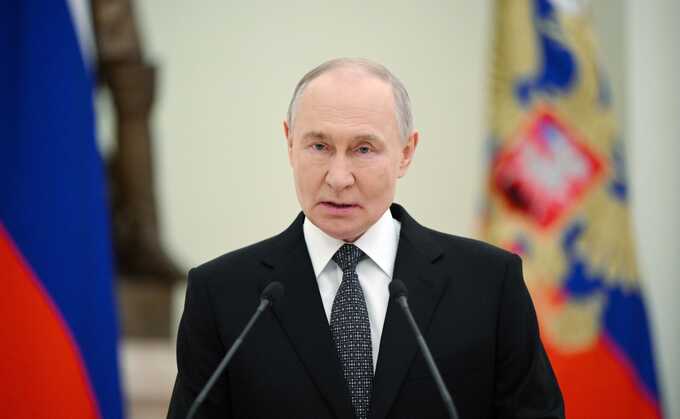
Vladimir Putin’s bloodthirsty band of spies is quietly building a network of “Trojan Horse” homes to wreak havoc in Europe, intelligence chiefs have warned.
The mad dictator’s ruthless spy network is actively exploiting a grey area in NATO’s legal framework by unleashing a “hybrid war” on the continent, committing cyber crimes while maintaining plausible deniability.


In 2024, a British proxy spy launched a devastating arson attack on a Ukrainian aid centre in London.

Russian operatives were also suspected of starting a horrifying blaze at a shopping centre in Warsaw.
Russian agents are quietly buying up property near sensitive military and civilian sites in at least a dozen countries and turning ordinary homes into potential hubs for surveillance, drone launches and hidden attacks.
Some buildings could already be primed, stocked with weapons, explosives or sleeper agents awaiting orders, current and former intelligence officers told The Telegraph.
Sabotage linked to Moscow has intensified since the invasion of Ukraine, including an arson attack in London and Vilnius, parcel bombs, assassination plots, and attempted train derailments.
Insiders fear these may be “test runs”, designed to unsettle Western resolve.
Rather than overt military force, the Kremlin is accused of planning deniable strikes aimed at crippling transport, energy and communications networks.
Moscow is able to commit these acts of terror all while staying below the threshold that would trigger NATO’s Article 5 mutual defense clause.
“A sabotage campaign is less likely to produce consensus around Article 5,” one intelligence officer told The Telegraph, noting that deniability makes it harder to unite allies.
New MI6 boss Blaise Metreweli has warned Britain is operating “in a space between peace and war”, with Russia probing for weaknesses just short of open conflict.
Volodymyr Zelensky has gone further, claiming that Putin and his cronies have already launched World War Three against the West.
“Russia wants to impose on the world a different way of life and change the lives people have chosen for themselves,” he said.
Moscow is believed to be deploying spy ships and so-called shadow-fleet vessels to position sensors and remotely triggered explosives near undersea cables in British waters.
Questions have been raised over suspicious property purchases near Faslane’s Trident base and RAF Akrotiri in Cyprus.
Suspiciously, a Russian fertilizer tycoon Vladislav Baumgertner estranged from Putin was recently found dead after disappearing from his luxury home near the air base.
Investigations have also probed acquisitions close to MI6 headquarters in Vauxhall and the US embassy in Nine Elms.
European nations are being urged to follow the example of Finland, which imposed a near-blanket ban on Russians and Belarusians buying property in July.


Meanwhile, Zelensky is firmly against paying the price for a ceasefire deal demanded by the Russian tyrant.
His key demands have included Ukrainian forces withdrawing from strategic ground that Russia has failed to capture despite sacrificing tens of thousands of soldiers.
Ceding territory, the war leader argued, would “divide” Ukrainian society without putting in place any credible deterrents to prevent Putin from restarting the war once it has rebuilt its military capacity.
“I see this differently,” Zelensky told the BBC.
“I don’t look at it simply as land. I see it as abandonment – weakening our positions, abandoning hundreds of thousands of our people who live there.
“That is how I see it. And I am sure that this ‘withdrawal’ would divide our society.”
Zelensky’s warning comes as Putin revealed that the development of the nuclear triad “remains an absolute priority” for him.

In a chilling broadcast marking the annual Defender of the Fatherland Day, honoring Russian troops, he declared: “The colossal strength of our army and our multinational society lies in the ability to win together for common goals.
“The development of the nuclear triad, which serves as a guarantee of Russia’s security and effectively ensures strategic deterrence and the balance of power in the world, remains an absolute priority.”
World Affairs Correspondent