Reeves abandons income tax increase as Labour seeks smaller tax measures
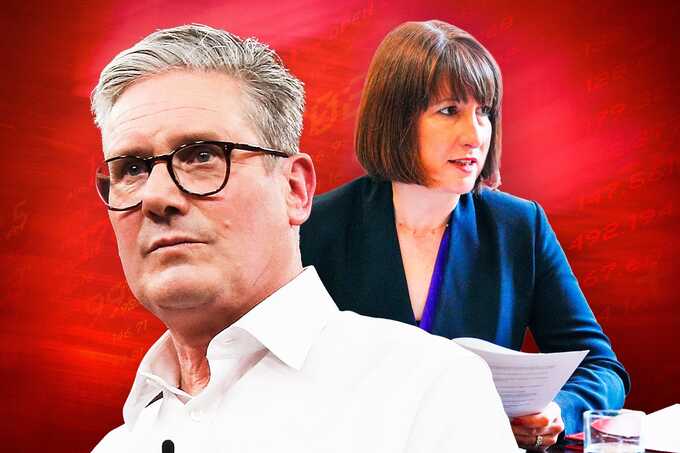
Labour had prepared to break a manifesto pledge on taxes for working people but has now reversed the decision
Starmer and Reeves are now likely to depend on smaller tax-raising measures to address the financial ’gap’.
Rachel Reeves is expected to abandon a plan to raise income tax in her budget, with the chancellor reportedly "scrapping" the main measures following upheaval within the party.
A source told the Guardian that plans to break the manifesto pledge on income tax had been canceled by the prime minister, Keir Starmer, and the chancellor.

It comes after intense internal disputes within the party, with allies of the prime minister suggesting he would resist any leadership challenge, despite rumors pointing to health secretary Wes Streeting as a potential contender, which he publicly denied.
The surprising tax U-turn, first reported by the Financial Times, was sent to the Office for Budget Responsibility on Wednesday. Downing Street did not deny the reports but stated it would not comment on budget matters.
Reeves had previously informed the budget watchdog of plans to raise income tax—breaking one of Labour’s key manifesto pledges.
The FT reported Reeves might now consider the thresholds at which people pay tax, which could be perceived as an income tax increase in disguise.
Sources close to the chancellor emphasized her need for significant flexibility in the budget to avoid speculation about whether she would violate fiscal rules.
Reeves and Starmer are now likely to rely on several smaller tax-raising measures to fill an anticipated multibillion-pound "gap" caused by a downgrade in productivity and U-turns on other policies, including reductions to the winter fuel allowances and disability benefits.
Among those measures might be higher levies on gambling, promoted by the former prime minister Gordon Brown, to cover the cost of ending the two-child benefit limit—another potentially large cost for Reeves.
Treasury sources have stated there is no way the levies’ revenues would come close to funding the end of the cap.
The U-turn comes 10 days after Reeves provided a seemingly clear indication of her plans during an unexpected Downing Street press conference, where she refused to rule out raising income tax.
"As chancellor, I have to face the world as it is, not the world that I want it to be," she said, with remarks interpreted as hinting at tax increases.
Downing Street and the Treasury have been preparing Labour MPs for weeks for a potential breach of the manifesto. In particular, it has been emphasized to Labour MPs not to oppose the budget due to the potential impact any measures might have on bond markets and the UK’s borrowing costs.
This message to MPs may seem insincere if the chancellor has reversed course after days of internal conflicts over a potential challenge to the prime minister’s leadership and the focus on briefings against health secretary Wes Streeting.
Reeves is already expected to extend a freeze on personal tax thresholds that was introduced by the Conservatives.
In recent weeks, the Treasury has sought to persuade Labour MPs to accept the income tax plan, hosting roundtable discussions with ministers and economists to convince them of the necessity for fiscal stability.
Despite Labour’s large majority, MPs demonstrated their influence in parliament during the welfare vote in July, forcing the government into a significant reversal.
Initially, government sources believed their persuasion efforts were successful, but many Labour MPs remained concerned about the impact on their constituents and skeptical about breaking such a significant manifesto promise.
Months of dissatisfaction with Starmer and his political strategy came to the fore over the plan, with MPs openly questioning whether it would be the end for the prime minister.
This week, Downing Street launched an extraordinary operation to bolster his leadership by briefing the Guardian on the risks of destabilizing the government and insisting that Starmer would resist any challenge. However, their efforts backfired dramatically when close allies of the prime minister circulated speculation that Wes Streeting was planning an imminent coup.
Labour MPs and ministers—including some in the cabinet—were shocked at No 10’s admission that the prime minister was vulnerable and believe that the actions have triggered the race for succession.

Technology & Business Editor
Read more similar news:
Comments:
comments powered by Disqus