Hurricane Melissa slams into Cuba after devastating western Jamaica
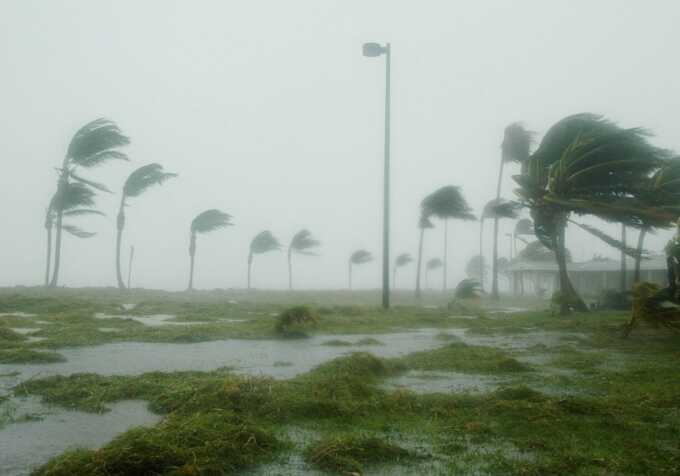
Hurricane Melissa made landfall in Cuba early Wednesday, after devastating western Jamaica on Tuesday.
Melissa struck near Chivirico, Cuba, as a Category 3 storm around 3 a.m., 14 hours after its first landfall, in western Jamaica.
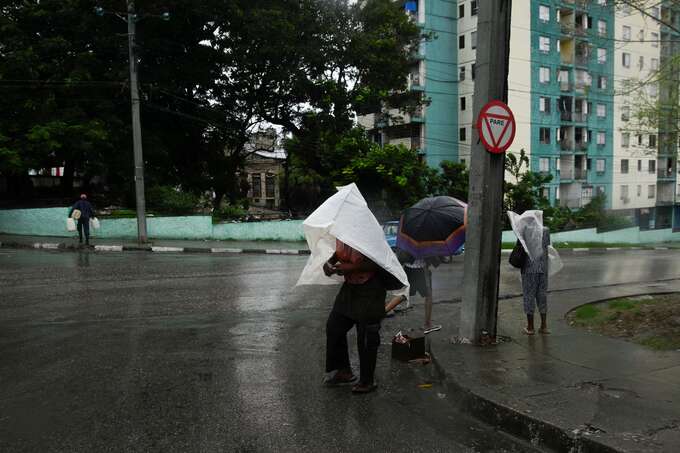
Some 10 to 20 inches of rain are expected in eastern Cuba on Wednesday, with up to 25 inches expected over mountainous terrain, the National Hurricane Center said Wednesday. “This will cause life-threatening and potentially catastrophic flash flooding with numerous landslides,” it said.
Peak storm surge of 8 to 12 feet was forecast along Cuba’s southeast coast.
Hurricane warnings covered the Cuban provinces of Granma, Santiago de Cuba, Guantánamo, Holguin and Las Tunas, while a tropical storm warning was in effect for Camaguey.
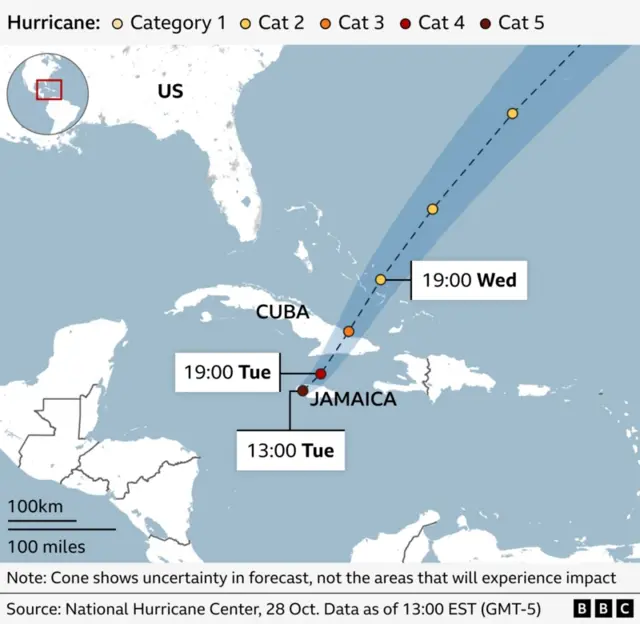
Melissa’s path
After moving away from Jamaica late Tuesday, Melissa briefly dipped to Category 3 intensity, but became a formidable Category 4 storm within hours as it tapped into exceedingly warm ocean water, above 86 degrees, which is high-octane fuel for restrengthening.
Late Wednesday, Melissa’s third and final landfall — forecast as a strong Category 2 or 3 hurricane — is expected in the central or southeastern Bahamas, probably on Long Island or Crooked Island — though it’s possible the storm’s center could miss the narrow land masses.
Five to 10 inches of rainfall are expected over the southeast Bahamas on Wednesday, which will result in flash flooding in some parts, the Hurricane Center said Wednesday. Storm surge of 5 to 8 feet was also possible in the southeastern Bahamas. A hurricane warning covers the central and southeastern Bahamas.
After that, Melissa will race northward, passing west of Bermuda, where a hurricane watch has been issued, late Thursday into Friday and bring squally rain, strong winds and dangerous seas.
Around the same time, Melissa’s moisture will be adding fuel to a separate storm that will bring heavy rain and wind from the Mid-Atlantic to New England — one that could produce isolated flooding and wind damage, especially in higher elevations and near the coast.
Melissa is forecast to pass just south of Newfoundland, Canada, late Friday or early Saturday before the storm’s remnants are shredded apart by the jet stream in the open waters of the North Atlantic.
In Jamaica, blue skies will return on Wednesday, with those tranquil conditions extending into Cuba and the Bahamas by Thursday.
For the time being, no additional tropical storm threats loom after Melissa.
Melissa’s damage in Jamaica
After making landfall around 1 p.m. Tuesday near New Hope, Jamaica, Melissa ripped across the western part of the country.
“Frightening power. Whiteout. Roofs tearing off. Gusts like bombs going off. Painful ears. Praise the lord for solid concrete,” wrote hurricane chaser Josh Morgerman, who was near Melissa’s landfall location.
In Black River, Jamaica, about 10 miles southeast of where Melissa made landfall, videos of destruction were posted on social media. In Cave Valley, across Jamaica’s mountainous interior, flooding left a home submerged.
“Our country has been ravaged by Hurricane Melissa but we will rebuild and we will do so even better than before,” Jamaican Prime Minister Andrew Holness wrote. He declared the country a disaster area on Tuesday.
Melissa’s record intensity
On Tuesday, Melissa equaled the strongest Atlantic hurricanes to make landfall on record, according to wind speed and pressure, tying with Hurricane Dorian in 2019 and the Labor Day Hurricane of 1935.
The Hurricane Center noted that it will take time to fully understand Melissa’s intensity. “It should be noted that while Melissa’s landfall intensity is among the strongest ever recorded in the Atlantic basin, it will take extensive post-analysis to determine exactly where it ranks among landfalling Atlantic hurricanes,” it said.

Deputy Editor
Read more similar news:
Comments:
comments powered by Disqus