Fossil fuel “carbon bombs” could emit 11 times the planet’s remaining carbon budget
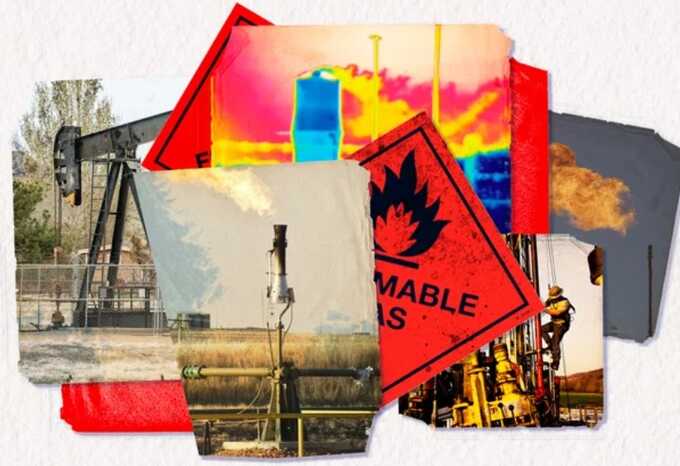
As world leaders convene this week for the Paris Peace Forum, commemorating a decade since the significant climate accord aimed at limiting global warming to 1.5 degrees Celsius, researchers are cautioning that numerous new and existing fossil fuel projects could drive the planet far beyond its remaining carbon budget.
A coalition of nonprofit research groups reported that an updated version of their “carbon bombs” tracker — which maps large-scale gas, oil, and coal projects expected to emit more than one gigaton of carbon dioxide over their lifetimes — has identified 176 new projects since its initial release two years ago. The total now amounts to 601.
“This updated data indicates that ten years after the Paris Agreement was signed, the fossil fuel industry and its financiers are willfully ignoring it. Their financial interests are taking precedence over preventing irreversible climate collapse,” said Lou Welgryn, director of Data for Good, one of the organizations involved in the project.
The tool, developed by Eclaircies, Data for Good, LINGO, and Reclaim Finance, follows a 2025 International Court of Justice ruling which established that states could be held legally accountable for supporting fossil fuel expansion. The new findings underscore the pressure that governments face as they continue to issue licenses and provide subsidies to high-emission industries.
Despite global climate commitments, the researchers noted, the world’s 65 largest banks have provided an estimated $1.6 trillion in financing to companies involved in “carbon bomb” projects since 2021.
According to data shared with the Organized Crime and Corruption Reporting Project (OCCRP) prior to the tool’s public release, existing and planned fossil fuel extraction projects would utilize 11 times the remaining carbon budget compatible with limiting warming to 1.5°C.
The largest hotspots are located in China, Russia, the United States, Australia, India, and Saudi Arabia. The five companies associated with the most new projects are TotalEnergies, China National Offshore Oil Corporation (CNOOC), Eni, BP, and Shell.
“Major global banks are contributing to climate change and future emissions by continuing to allow these fossil fuel companies that are damaging the planet to operate with impunity,” said Louis-Maxence Delaporte, energy research manager at Reclaim Finance.
The updated “carbon bombs” map is scheduled to be published ahead of the Paris Peace Forum, where climate strategy and accountability are expected to be key topics on the agenda.

Editor-in-Chief
Read more similar news:
Comments:
comments powered by Disqus