Mango billionaire’s fall sparks probe into possible homicide, family defends son
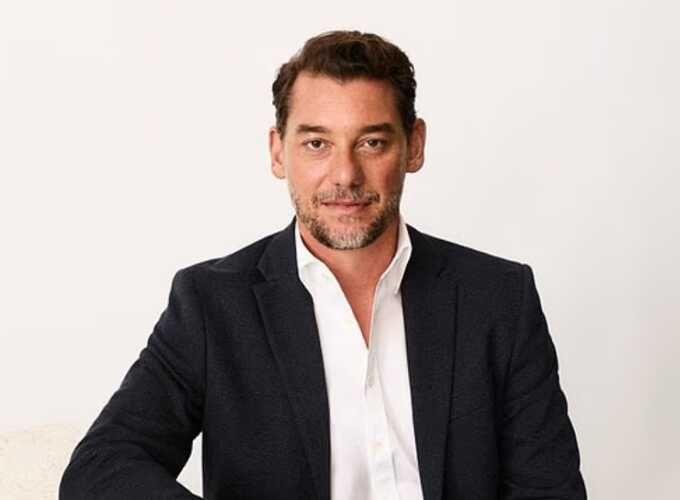
The family of Mango founder Isak Andic has maintained his son’s innocence after media reports suggested he might be a potential suspect in the billionaire’s death.
Andic died last December at the age of 71, apparently after falling 100 metres into a ravine while hiking in Montserrat, near Barcelona, with his son, Jonathan. His death prompted tributes from politicians, journalists and the fashion industry.

While the initial investigation by the Catalan police, the Mossos d’Esquadra, treated it as an accident, officers and judicial sources told El País and La Vanguardia that the case is now being considered a possible homicide.
In a report published on Thursday evening, El País said sources had described Jonathan’s account of events as “inconsistent”, and said his father’s partner, the golfer Estefanía Knuth, had told investigators “the relationship between father and son was bad”.
The paper said police had found no direct or definitive evidence to explain what happened in the ravine, but had “come across a series of clues which, when taken together, had led them to move away from the idea of a mere accident and toward the possibility of a homicide”.
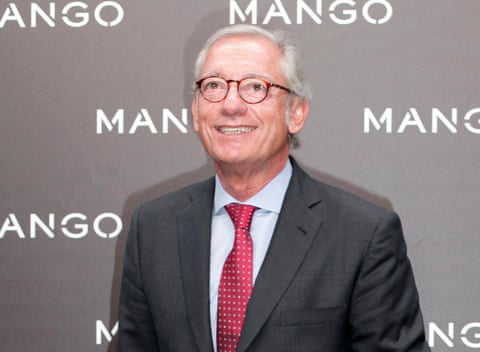
La Vanguardia reported that the judge overseeing the case changed Jonathan’s official status last month from witness to potential suspect.
The Andic family issued a statement to the media saying: “The Andic family has not and will not comment on Isak Andic’s death in all these months.
“However, they wish to show their respect for the ongoing investigations and will continue to cooperate with the relevant authorities, as they have done so far. They are also confident that this process will be concluded as soon as possible and that Jonathan Andic’s innocence will be proved.”
A spokesperson for the Mossos d’Esquadra said the force could not comment because the case was still under judicial investigation. A spokesperson for the Catalan courts service said the judicial investigation was secret and “is not - nor has it been - directed against any specific person”.
Andic, who was born to a Sephardic Jewish family in Istanbul in 1953, emigrated to Catalonia with his relatives in the late 1960s and began selling T-shirts to fellow high school students.
He went on to run a wholesale business and sold clothes in street markets before opening his first Mango store in 1984.
“He saw that we needed colour, style,” Mango’s global retail director, César de Vicente, told Agence France-Presse in March last year.
Andic soon opened dozens more stores around Europe and “realised that having the same name, having the same brand in all the shops, would make the concept much stronger”, added de Vicente.

Technology & Business Editor
Read more similar news:
Comments:
comments powered by Disqus