14 October 2025 , 09:57
869
0
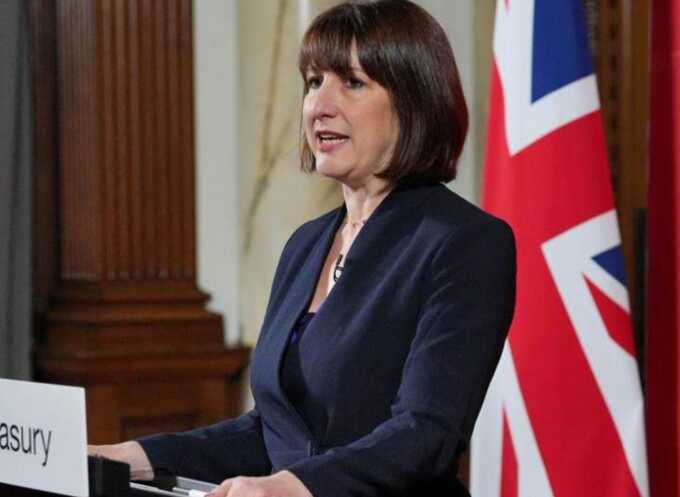
More than a dozen Labour MPs have written to Rachel Reeves urging her to abolish council tax, as the chancellor faces growing pressure to revamp Great Britain’s property taxes in the next month’s budget.
Thirteen MPs, mainly from northern England constituencies, wrote to Reeves last month requesting her to eliminate the tax and replace it with an alternative system that better reflects the significant increase in house prices in London and the southeast over the past 35 years.
The chancellor is searching for ways to address a potential £30bn deficit in the public finances, with experts cautioning that doing so might necessitate a comprehensive revamp of the entire tax system.
The Labour MPs wrote: “If we are to succeed in our mission to transform Britain and counter Reform, we must be bold and embrace new ideas that return more money to working people.
“One starting point is to explore ways to eliminate the outdated, deeply regressive, and increasingly indefensible council tax system.
“Established in the early 1990s and still based on 1991 property valuations, it hardly resembles today’s housing market realities. The result is a system that penalizes communities like ours in the nations and regions outside London and the southeast.”
Reeves is facing a challenging second budget as chancellor, partly due to an anticipated decision by the Office for Budget Responsibility to lower its UK productivity forecasts.
Reeves needs to find between £20bn and £30bn due to the OBR changes, but is also pressured to increase the leeway against her fiscal rules to provide more market certainty regarding future borrowing.
Labour ruled out raising income tax, VAT, or national insurance in its 2024 manifesto – commitments ministers say Reeves intends to uphold in this budget, despite her decision to raise national insurance last year.
As a result, some experts are suggesting that the chancellor make bold tax reforms instead of adjusting multiple revenue streams in an effort to manage the political consequences.
Researchers at the Institute for Fiscal Studies on Monday urged Reeves to prioritize property tax changes, including abolishing stamp duty and revamping council tax.
The Guardian revealed earlier this year that the chancellor was considering introducing a new annual property tax based on the value of residents’ houses at the time of purchase as a step towards overhauling stamp duty and council tax.
The Labour MPs advocating for the abolition of council tax do not specify how it should be replaced, but are clear that any new system should better account for property valuations in London and the southeast.
They include members from both the left and right of the party. Jonathan Brash, Jonathan Hinder, and Dan Carden from the socially conservative Blue Labour group all signed the letter, as did Andy McDonald and Jon Trickett from the socialist left of the party.
England and Scotland have not revalued their properties for tax purposes since 1991, while Wales last did so in 2003. Since then, property prices in southeast England have increased by at least six times, while those in the northeast have only risen by about three times.
The MPs wrote: “Families in modest homes in our constituencies pay far more, relative to the value of their property, than those in multimillion-pound houses in London and the southeast.
“Council tax and stamp duty land tax were designed decades ago and no longer reflect economic reality. The result is a deeply unfair, inefficient, and outdated system that widens inequality and holds Britain back.”
They added: “Only by directly addressing [the council tax’s] outdated design can we begin the process of creating a fairer, more sustainable system that benefits every part of the country.”
A Treasury spokesperson said: “The chancellor has been clear that at the budget she will balance ensuring adequate funding for public services with fostering growth and investment to enhance living standards.”

Head of Investigations