China cracks down on “negative sentiment” as influencers face bans and censorship
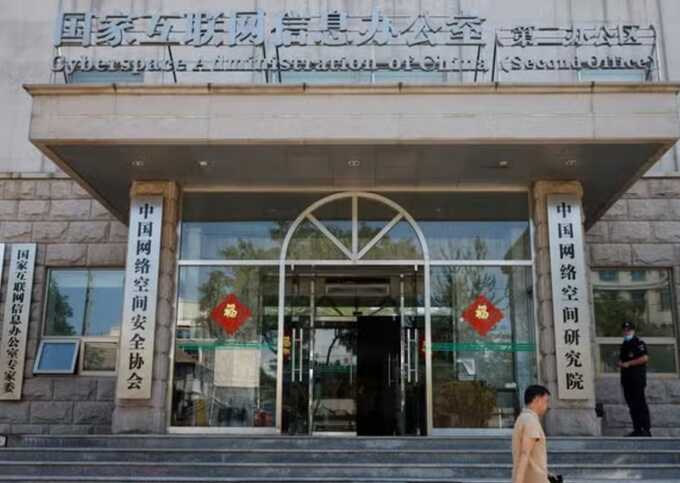
During China’s week-long National Day holiday, the Cyberspace Administration of China (CAC) intensified its “Clean Net” campaign to remove online content that “incites negative emotions” or “promotes pessimism.”
The campaign, launched on September 22, targets behaviour such as spreading despair about education, employment, or social inequality, and aims to create what authorities call a “civilized and rational” internet environment.
Platforms and influencers punished
The CAC investigated major platforms, including Weibo, RedNote, UC, and Toutiao, for failing to control content and for promoting celebrity gossip or “negative emotions.” These companies were fined and ordered to strengthen moderation.
Several high-profile influencers have also been penalized. Education influencer Zhang Xuefeng, with over 50 million followers, was banned from taking new followers and livestreaming after comments that authorities labeled as “excessively utilitarian.” Travel influencer Lan Zhanfei and lifestyle blogger Langzaixiaoniu were restricted after promoting “lying flat” and rejecting marriage and parenthood — ideas seen as conflicting with China’s “national rejuvenation” goals.
“Negative emotions” seen as national threat
Analysts say the two-month crackdown is tied to Beijing’s growing concern about young people’s frustration amid slowing economic growth and record youth unemployment (18.9% in August). The government fears that pessimism and cynicism online could fuel social instability.
Political scientist Xie Maosong noted that “authorities want to guide young people’s mindset before frustration turns into resistance.”
Politics Editor
Read more similar news:
Comments:
comments powered by Disqus