London Underground faces major disruption as RMT strike begins
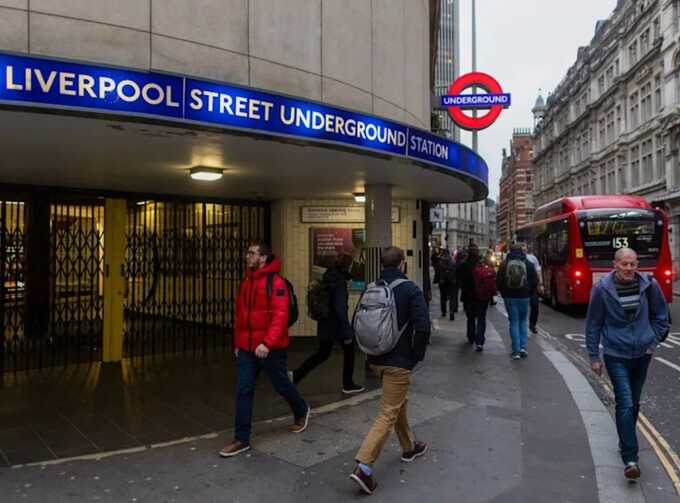
Tube drivers are demanding a 75 percent discount on all their rail travel at the start of a strike poised to paralyze London.
They and other London Underground staff, members of the Rail, Maritime and Transport (RMT) trade union, want a four-day week, as well as substantial discounts on train journeys around Britain.
As industrial action began on Sunday that is set to bring the capital to a halt this week, a senior Transport for London (TfL) source said the union demands were “unaffordable.”
Implementing a four-day week with a maximum of 32 hours would cost around £200m, which would be needed to hire extra staff to keep Tube trains running to their current schedule, The Telegraph understands.
Meanwhile, giving all staff 75 percent off their rail journeys has presented a further stumbling block in negotiations.
It is significantly more than any railcard for other passengers, such as the 33 percent off over-60s get with a railcard that costs £30 a year.
A TfL source confirmed the RMT’s demands, which are understood not to have shifted despite four meetings between union representatives and TfL negotiators since the strikes were announced last week.
The RMT strikers are demanding taxpayer-subsidized leisure travel on mainline trains outside London.
At present, all TfL employees plus one family member or partner each receive free travel across the entire network, including buses, trains, Tubes, the DLR, the Overground, the Elizabeth Line, and the Croydon trams.
Staff also receive a 75 percent reimbursement on National Rail commuting costs if they live outside of London.
Yet the RMT is demanding that this be extended to 75 percent off all National Rail leisure travel. This would mirror the travel perks given to former British Rail staff in 1996, when the monopoly state rail company was privatized, something regarded by militant shop stewards as a gold standard.
Even if it wanted to spend Londoners’ money funding off-duty leisure travel for RMT members and their families, TfL cannot do so because such travel perks are controlled by mainline train companies, The Telegraph understands.
Striking staff including drivers, signallers, and maintenance workers have launched a series of strikes despite being offered a 3.4 percent pay rise.
TfL warned there would be few or no services between Monday and Thursday, as disruption started on Sunday.
Nick Dent, London Underground’s director of customer operations, said union demands for a cut in the 35-hour week were “simply unaffordable” and would cost hundreds of millions of pounds.
The last Tube-wide strike was three years ago, over pay and pensions, but Mr. Dent said next week’s action will be different because separate groups of workers will walk out on different days.
”It will be very damaging for us,” he added.
Currently, all London Underground staff are contracted to work an average of 35 hours per week. The RMT wants this cut to 32 hours over a maximum of four days a week – with no reduction in pay.
As this would equate to 10 percent fewer hours worked by Tube staff, and with TfL’s annual wage bill standing at around £2bn, the cost of covering that gap would be an extra £200m per year.
London’s 3,400 Tube drivers are currently paid £72,849 per year. Despite going on strike next week, they are being offered a four-day, 35-hour working week. This four-day week deal was negotiated by the Aslef trade union, but is firmly opposed by the RMT because of the extra three working hours per week.
Union membership among militant Tube drivers has since swung 60-40 in favor of Aslef for the first time, according to previous strike ballot figures obtained by The Telegraph.
Passengers have been urged to check before they travel, with Tubes that do run, as well as buses, expected to be busier than usual.
Docklands Light Railway services will also be hit next Tuesday and Thursday because of a strike by RMT members in a separate pay dispute.

An RMT spokesman said: “Our strike is about TfL’s refusal to even discuss a small reduction in the working week, despite us making clear in negotiations that we want to see moves towards a four-day, 32-hour week to tackle fatigue and protect staff health.
“Our claim also includes industry-standard ‘Priv’ travel concessions that lots of other railway workers already receive. These conditions help retain skilled staff and reduce the hidden costs of turnover, overtime, and fatigue-related absence.
“TfL’s claims of hundreds of millions in extra costs are back-of-a-fag-packet maths. The company posted a £166m surplus last year, operates on a £10bn budget, and has already saved around £100m on pension liabilities.
“Meanwhile, there are 2,000 fewer Underground staff than in 2018, leaving those who remain stretched to breaking point.
“We remain open to talks and call on the Mayor of London to intervene.”

Politics Editor
Read more similar news:
Comments:
comments powered by Disqus