Bank of England cuts interest rate to 4% in response to sluggish growth
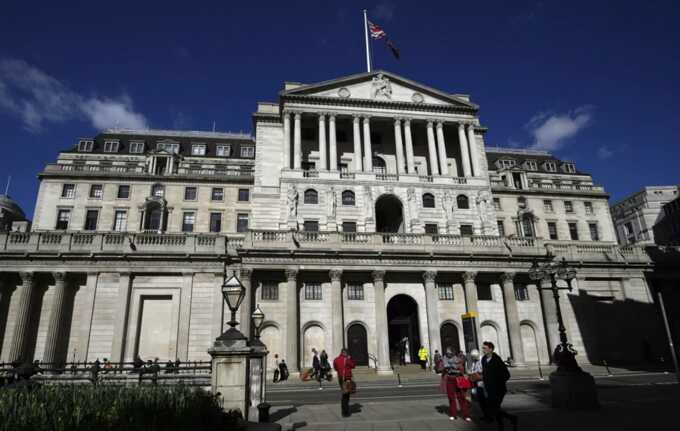
The Bank of England has reduced the interest rate to its lowest level in over two years.
The Bank’s Monetary Policy Committee (MPC) decreased the base rate by 0.25 percentage points to 4% on Thursday.
This is the fifth reduction since August last year, when rates began gradually decreasing from a peak of 5.25%.
This decision will likely alleviate pressure for some mortgage holders and homebuyers amid hopes that cheaper deals will emerge in the market if the Bank’s base rate is reduced further.
The cut has been credited to a slowdown in the UK jobs market and stagnant economic growth.
The MPC was initially split on whether to cut rates, with four of the nine-person committee wanting rates to be reduced by 0.25 percentage points to 4% while four wanted to keep rates unchanged, and one member preferred a bigger 0.5 percentage point cut.
This meant the committee was forced to hold a second vote in order to secure a majority, which resulted in the MPC voting by five to four to cut rates to 4%.
Governor Andrew Bailey said it was a "finely balanced decision", adding: "Interest rates are still on a downward path, but any future rate cuts will need to be made gradually and carefully."
Savers will be disappointed by the cut, but Chancellor Rachel Reeves will welcome the move as she faces growing pressure over potential tax hikes.
Reeves said: “Since the general election, interest rates have been cut five times and are now at their lowest level for two years – bringing down the cost of mortgages and loans across the UK.
“By bringing stability back to the country’s finances, we’re putting more money in people’s pockets.”
UK inflation will be higher than previously expected over the next few years, while economic growth will be stronger in 2025, according to new forecasts from the Bank of England.
Consumer Prices Index (CPI) inflation is projected to peak at 4% in September, up from a previous estimate of 3.5% as the impact of higher food and energy prices take effect.
CPI is set to average at 2.5% in 2026 and 2% in 2027, up from a respective 2% and 1.75% when the Bank last set out its forecasts in May.
Meanwhile, gross domestic product (GDP) is expected to rise by 1.25% over 2025, up from the 1% it previously projected.
Shadow chancellor Mel Stride said today’s cut highlights Labour’s failure to create growth and boost the economy.
He said: “Rachel Reeves claims credit for interest rate cuts – but rates are coming down to support the weak economy she has created. Inflation has almost doubled on her watch and unemployment is rising.
“Interest rates should be falling faster, but Labour’s jobs tax and reckless borrowing have pushed inflation well above target.“With economists warning Labour have created a £50 billion black hole and the Chancellor refusing to rule out further harmful tax rises, Labour are showing they don’t understand the economy.
“Only the Conservatives, under new leadership, believe in sound money and low tax.”

Deputy Editor
Read more similar news:
Comments:
comments powered by Disqus