02 April 2025 , 19:19
696
0
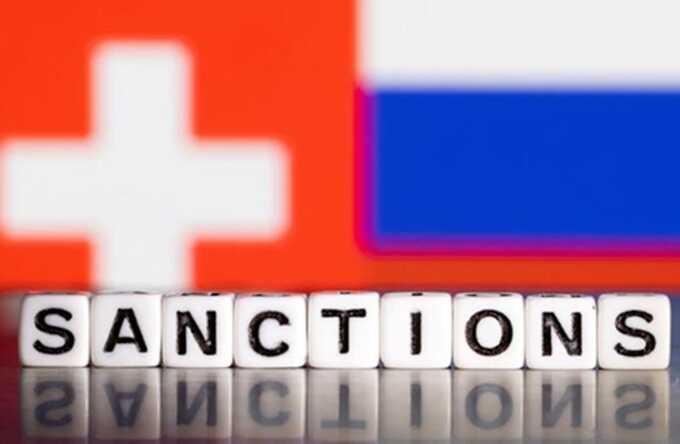
Switzerland has increased the total value of frozen Russian assets by $1.81 billion over the past year, bringing the total to over $8 billion, as authorities continue to enforce sanctions related to the war in Ukraine.
Switzerland has tightened its grip on Russian assets, with authorities announcing Tuesday that the total value of frozen funds has climbed by 1.6 billion Swiss francs ($1.81 billion) over the past year, reaching 7.4 billion francs ($8.38 billion). The increase stems from newly identified assets, the government said.
Among the frozen holdings are 14 properties, along with high-end cars, private jets, artwork, luxury furniture, and musical instruments—belonging to individuals, companies, or entities targeted by sanctions.
Switzerland aligned with European Union sanctions against Russia in February 2022, shortly after Moscow’s invasion of Ukraine. These measures go beyond asset freezes, also restricting financial transactions, trade, energy, services, and air travel.
Under Swiss law, any assets or economic resources controlled—directly or indirectly—by sanctioned individuals or entities must be frozen and reported to the State Secretariat for Economic Affairs (SECO), which oversees compliance.
Authorities have also ramped up enforcement. In August 2024, the Office of the Attorney General launched a criminal investigation into potential sanctions violations and money laundering following a SECO probe. As part of the case, officials temporarily froze 1.65 billion francs in assets. Meanwhile, after a detailed review, 60 million francs were released because they did not meet the legal threshold for freezing.
The Swiss government also clarified the distinction between private assets frozen under sanctions and the Russian Central Bank’s reserves held in Switzerland, which total 7.45 billion francs. Transactions involving those reserves have been banned since March 2022, and reporting requirements remain in place.
However, officials cautioned that frozen asset figures alone do not directly indicate the effectiveness of sanctions. The total amount can fluctuate due to currency exchange rates, banking fees, and shifts in asset valuations.
Politics Editor