20 March 2025 , 16:50
1001
0
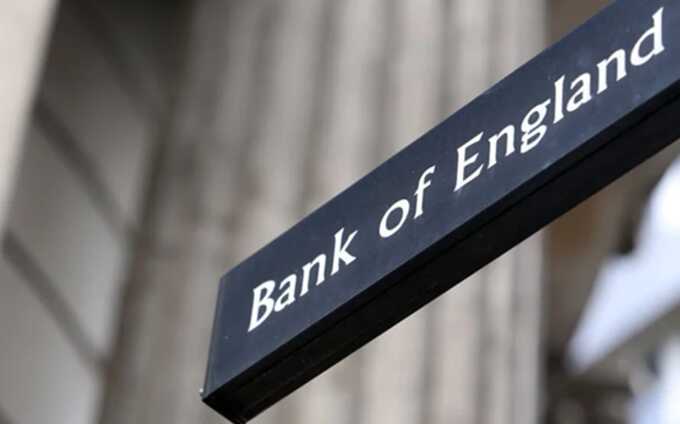
The Bank of England has maintained the UK’s base rate at 4.5%, meeting the expectations of many economists.
Analysts had said policymakers would be unlikely to cut borrowing costs during a period of mounting economic uncertainty.
The Bank is said to still be concerned about inflation, and keeping the base rate flat is aimed at keeping a lid on price rises.
Inflation remains at 3%, above the Bank’s target of 2%.
Andrew Bailey, the governor said it was the Bank’s “job to make sure that inflation stays low and stable”.
Mr Bailey also said: “There’s a lot of economic uncertainty at the moment.
"We still think that interest rates are on a gradually declining path, but we’ve held them at 4.5% today.
"We’ll be looking very closely at how the global and domestic economies are evolving at each of our six-weekly rate-setting meetings."
The growth in wages of 5.9% is likely to have been a factor in the Bank’s decision to hold rates.
Last month the Bank cut the base rate from 4.75% to 4.5%, the lowest level since May 2023.
On Thursday, one member of the committee, Swati Dhingra, voted for a reduction to 4.25%.
Chancellor of the Exchequer, Rachel Reeves, said: "We’ve had three rate cuts since the summer, but there’s still work to do to ease the cost of living.
"That’s why I’m fighting every day to put more money in the pockets of working people to deliver our Plan for Change, and why we protected worker’s payslips with no rise in national insurance, income tax or VAT, boosted the national living wage and froze fuel duty.
The Chancellor must use the coming spring statement to "take responsible steps" that will pave the way for an interest rates cut, the Tories said.
"In a changing world I’m determined to go further and faster to kickstart growth and bring in new era of stability, security and renewal that protects working people and keeps our country safe."
Mel Stride, the shadow chancellor, said: "Interest rates staying higher for longer will mean higher mortgages for millions of people across the country.
"Because of Rachel Reeves’ Budget, inflation is above the Bank of England’s target, making it harder to bring interest rates down.
"Next week, during her emergency budget, the Chancellor must take responsible steps on spending, borrowing and debt to allow the Bank of England to cut interest rates.
The value of the pound regained some ground but remained firmly lower for the day.
The pound was down 0.24% at 1.297 US dollars following the decision.
Meanwhile, the FTSE 100 dipped slightly at the time of the decision. It was 0.3% lower at 8,680.92 points at around 12.20pm on Thursday.

Editor-in-Chief