06 February 2024 , 10:13
664
0
Buckingham Palace has announced that King Charles has been diagnosed with cancer, which was discovered after his recent admission to hospital to deal with a different health issue - a benign prostate enlargement. He has already started treatment for his condition, and "has been advised by doctors to postpone public-facing duties" as he undergoes this.
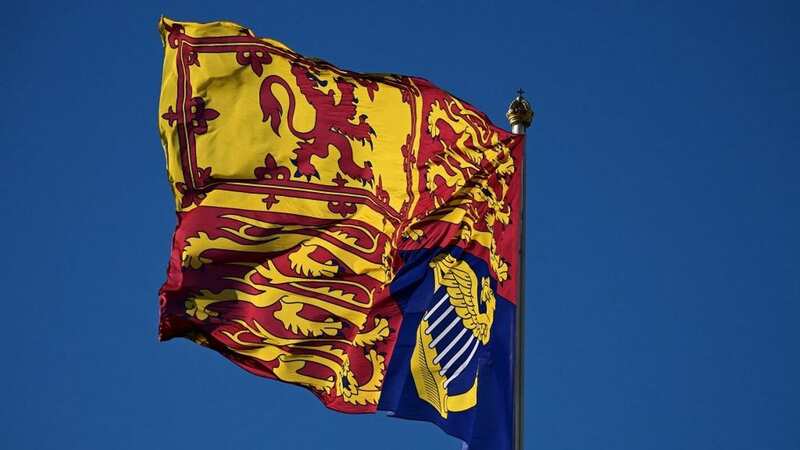
His presence in London as he undergoes treatment will mean that the Royal Standard flag is once again seen in the capital, above Buckingham Palace.
But the royal is actually staying at Clarence House as the palace undergoes renovations.
The Royal Standard is essentially flown to signal the presence of the monarch, and it appears wherever they are in residence at a royal palace. If they are conducting a journey as part of their official duties, the flag will also appear on their car and on grounded aircraft before a flight they will take.
As they go about their duties, it may also be flown on other buildings that they are visiting, but this is at the request of whoever owns or runs the place they are going, rather than at the request of the monarch themselves, and when the sovereign attends parliament, the flag is raised above the Victoria Tower. The Royal Standard is never seen above churches or cathedrals, however.
 Teachers, civil servants and train drivers walk out in biggest strike in decade
If the monarch is not present at a palace, then the Union Jack will be flown instead. The Royal Standard is also never raised to half-mast - this is because on the death of one monarch, the next in line of succession immediately replaces them, so the flag would instead be raised wherever they are, and the Union Jack raised to half-mast instead after the death of a sovereign.
The Royal Standard is a flag that is split into four quadrants, and it symbolises the sovereign and the UK itself. The four quadrants contain symbols representing different parts of the UK and the three lions of England appear twice, in the first quarter and the fourth.
A lion rampant symbolises Scotland, a harp represents Ireland, and a symbol for Wales isn't featured on the flag. This is because Wales retains a "special position as a Principality was recognised by the creation of the Prince of Wales long before the incorporation of the quarterings for Scotland and Ireland in the Royal Arms" - per the Royal Family's official website.
The Union of the Crowns in 1603 brought together Scotland and England under one monarchy for the first time, because Elizabeth I had died without an heir, so the crown passed to her cousin, the Scottish King James VI. The Union Jack flag was created three years later, as James sought to symbolically unite the two nations, and he used the title King of Great Britain. Since then some version of the Royal Standard representing the unity of the nations has been used and something similar to the current flag has been used for over two centuries.
In Scotland, a slightly different version of the Royal Standard is used, which prioritises the Scottish symbol of a lion rampant in the first and fourth quarters over the English symbol of three lions, so when Charles is in residence in Scotland this is the flag that would be used instead to signal his presence.
Do you have a story to tell? Email: [email protected]