Get your drab garden bursting with colour this Spring with these elegant flowers
Contrary to popular belief, late winter is an excellent time to get your hands in the soil and start sowing seeds for a vibrant spring garden.
And a flower expert has shared their top picks for exactly what to plant in February to make your garden 'burst with colour' when the season changes.
Millie Durbak, brand manager at Prestige Flowers, said: "Choosing the right plants for this time of year not only results in an early burst of colour but also strengthens the overall health of your garden. Consider hardy varieties like hellebores and primroses, which not only endure the last chills of winter but also contribute to a stunning display as temperatures rise."
Here, she reveals the top varieties to plant now for a stunning display come spring.
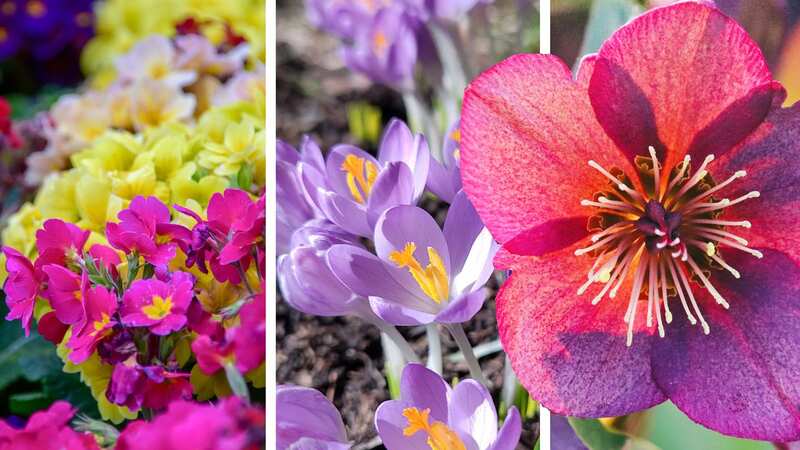
Crocuses
 Gardening expert shares exact date when you should cut grass after winter
Despite their petite size, crocuses make a bold statement and often emerge as the first harbingers of the season, pushing through the lingering winter chill with their eye-catching colours. Plant them in well-drained soil, and over time, they will naturalise, forming an impressive carpet of purple, white, and yellow flowers that signals the end of winter and the beginning of a lively spring garden.
Hellebores
Lenten roses, or Hellebores, make an excellent choice for February planting. These resilient plants can endure the cool temperatures of late winter. Plant them in partial shade, and you'll be rewarded with elegant, downward-facing flowers in an array of hues.
Primroses
Bright and cheerful, primroses are a delightful addition to any garden. Plant them in late winter to enjoy their colourful blossoms in early spring. They prefer moist, well-drained soil and partial shade, making them versatile for various garden settings.
Clematis Early Sensation
For vertical interest, consider planting Clematis Early Sensation. This strong climber, suitable for late winter planting, produces masses of pink-mauve flowers. Choose a sheltered spot with fertile soil and watch as this clematis transforms trellises or fences into stunning focal points.
Tips for success
Millie stresses the importance of proper soil preparation, saying: "Make sure your soil is well-drained and enriched with organic matter to provide the best conditions for these early bloomers. It's a small investment that pays off in the form of healthier, more robust plants."
She added: "You should also give your plants a protective layer of mulch to retain soil moisture and guard against frost, promoting their overall resilience. Meanwhile, pruning away damaged or dead growth is key for encouraging healthy development and ensuring your garden stays vibrant."
 'Aggressive' garden plants to avoid - or risk damage to your home
For an added nutrient boost, Millie said: "Consider adding a slow-release fertiliser into your gardening routine to nourish your plants and promote optimal growth."
Read more similar news:
Comments:
comments powered by Disqus