30 January 2024 , 15:06
648
0
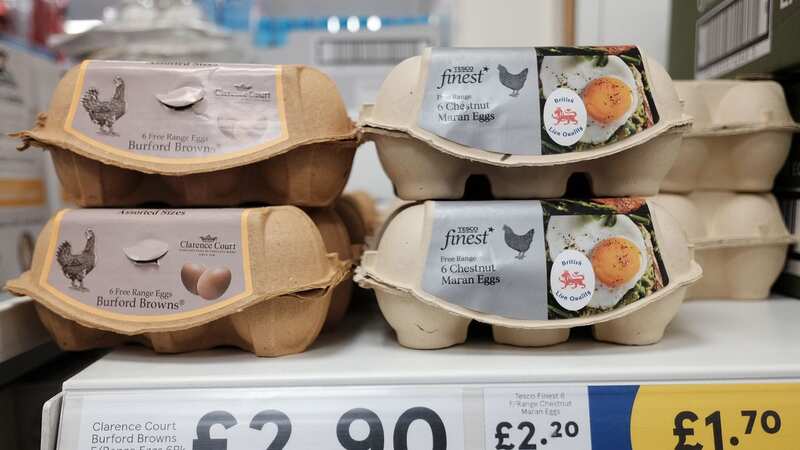
The Competition and Markets Authority (CMA) is investigating whether supermarket loyalty pricing is misleading or unfair to shoppers.
The watchdog is concerned that some supermarkets are offering cheaper prices only to loyalty card members, which could mislead customers about the true value of these deals. The CMA will also examine if any groups of shoppers are disadvantaged by these promotions.
They will look into how loyalty pricing affects consumer behaviour and competition between supermarkets. An update on the investigation will be published in July, with the full review expected to be completed by the end of the year.
In addition, the CMA has launched a campaign encouraging people to use unit pricing to get the best value for their money. This follows research showing that understanding and use of unit pricing varies greatly among shoppers. Unit pricing, which shows the cost of products by weight or volume, is designed to help shoppers compare the value of similar items.
However, the term "unit pricing" wasn't widely recognised among those surveyed in a recent study. About half of the participants used unit pricing to some extent, while the other half didn't.
 Martin Lewis issues 8-week warning to phone users ahead of huge price hikes
Those who did use it found it useful for comparing prices and getting value for money. George Lusty, senior director for consumer protection at the CMA, said: "Food prices have risen over 27% in the last two years and everyone is on the lookout for ways to save money on their grocery bills."
He added: "Unit pricing that small text underneath the main selling price is a great way to compare brands and sizes to make sure you're not spending more money than you need to on groceries. There is still work to be done to ensure shoppers are getting the most out of unit pricing, including consistent product measurements and clear and upfront pricing.
"So it's good news that the Government has accepted the CMA's recommendation to strengthen the law in this area." Head of food policy at Which?, Sue Davies, said: "This latest update by the CMA reinforces how important unit pricing can be to help shoppers identify which products offer the best value on the supermarket shelf.
"It also shows that using 'rules of thumb' such as buying bigger packs or products on promotion doesn't always guarantee the best price. Which? research has consistently shown that unit pricing is not always clear enough, can be presented inconsistently and is not always shown on promotions or loyalty pricing, making it really difficult for people to easily tell which product is the best value."
She continued: "It's positive that last week the Government announced plans to revise dated pricing rules to help ensure that unit pricing is much easier to use. It's crucial that progress on this comes as quickly as possible but that supermarkets in a position to make positive changes now such as adding unit pricing to products on promotion don't wait for the rules to change."
In July, the CMA stated that not all retailers were displaying prices clearly enough. This could be hindering people's ability to compare products after their investigation into how competition was working across the grocery market.
The watchdog expressed worries about supermarkets using inconsistent unit pricing across similar products, making it difficult for shoppers to compare deals. They noted an example of tea bags priced per 100 grams for some products and per tea bag for others.
They also found missing or incorrectly calculated unit pricing, such as a 250ml hand wash costing £1.19 but unit priced at £476 per 100ml. Pricing information was also not available online until items were selected. Some labels were too small, or hidden by promotional information or shop fittings. Some retailers were not displaying unit prices for products on promotion.
The watchdog has written to retailers warning them to make the necessary changes or face enforcement action. They've also called on the Government to tighten the law around pricing displays.
Last week, the Department for Business and Trade (DBT) announced that the Price Marking Order (PMO), which requires traders to display the final selling price, and where appropriate the final unit price for example the price per kilogram is to be reformed. The DBT said proposed changes will ensure unit pricing is consistently applied, including to promotions and special offers, to help consumers compare products easily and identify which items represent the best value.
 Boots annual 70% off sale is returning with some deals already available
* An AI tool was used to add an extra layer to the editing process for this story. You can report any errors to [email protected]