Heating expert's £1.20 'Bake Off' trick to stop warmth escaping from your home
The temperatures have dropped significantly, and since heating has become so expensive, many householders will be turning to other methods to keep their homes toasty.
Whacking the heating on full blast is a thing of the past for many, as people look for ways to insulate their homes as the weather drops below zero. Mitchell Wray, director of National Insulation Supplies, shared with the Sun that there's a handy flexible material used to seal air leaks through small cracks, gaps or joints that could be your winter saviour if you're experiencing droughts around your home. What's more, it'll only cost you around £1.20.
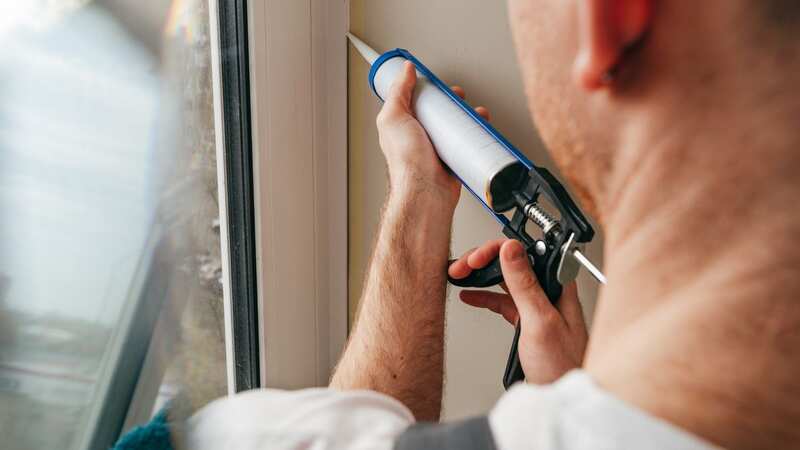
Caulk can be purchased at Wickes for £1.20, and it can be added to gaps to "seal" them up. "You can check for draughts by running your hand along window frames and door edges", Mitchell explained.
According to Wickes' website, caulk is great for "skirting boards, ceilings and architraves." You need to "ensure all surfaces are clean, dry and grease-free before application", and doing it is really straightforward. You just need to "remove the nozzle, and cut the tip to the required width and ensure the caulk makes full contact with the side and back of the joint."
He also shared that if you hire a professional to draught-proof your home, it'll set you back a hefty sum, costing around £250 - so this DIY option is much more budget-friendly. When you're applying caulk, you need to ensure that the area is clean and dry, and that you're not adding old caulk onto new so it adheres properly.
 Martin Lewis issues 8-week warning to phone users ahead of huge price hikes
Remove the tip from your tube of caulk and create your caulk bead, starting off small, and increasing if required, channelling your "inner Bake Off". Once you've applied the caulk, use your fingers or the back of a plastic spoon to smooth the bead to create an even seal - Mitchell recommends giving it around 10 days to dry as "this guarantees a lasting and airtight seal, and can also prevent mould damage."
Mitchell also suggested draught-proofing strips are a good way to conserve heat in the home, or window film kits. The Energy Saving Trust shared that draught-proofing around windows and doors could save you around £45 a year.
Read more similar news:
Comments:
comments powered by Disqus