Brits getting hypothermia as they choose between heating and eating, GP warns
People in the UK are dying because they are forced to choose between heating or eating, a GP has warned.
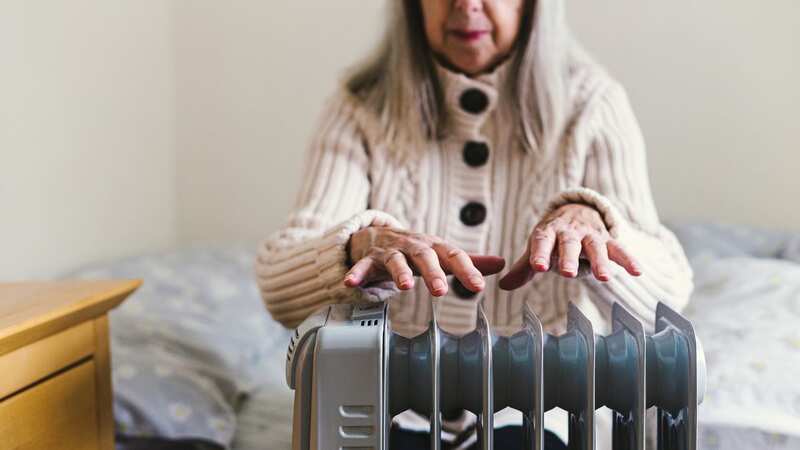
Dr Helen Wall, who works as a doctor in Greater Manchester, said struggling with the cold inside their own homes was the 'sad reality of many of her patients day in and day out'.
This has increased amid the rising cost of living and high heating costs, she added. Deaths from cold homes rose to over 1,000 in England in December 2022 – up from 768 in December 2021, according to data from the charity End Fuel Poverty.
Health issues resulting from constant exposure to low temperatures include the risk of stroke and heart attacks, particularly in people with underlying conditions or risk factors, as well as hypothermia.
Restricted blood circulation from blood vessels narrowing in the cold can also cause or exacerbate a number of different health problems. The NHS advises that living rooms should be kept to a temperature of at least 21C, and bedrooms to a minimum of 18 - but Dr Wall believes it is difficult for many people to afford to meet those targets. She told Manchester Evening News: "As a GP in Bolton, I know many elderly and vulnerable people who are at risk and will either keep the heating too low or avoid turning it on at all again this winter, for fear of the bill landing.
 Shop prices 'are yet to peak and will remain high' as inflation hits new heights
"Official advice is clear that living room temperatures should ideally be kept at 21C and above, whereas bedroom temperatures should be kept at a minimum of 18C. I appreciate efforts that have been and are being made to support people; cold weather payments and numerous passionate services, many voluntarily, working above and beyond to provide initiatives like warm hubs.
"But as a doctor, I don’t feel we are highlighting the risks of cold homes enough. It isn’t just about ‘feeling cold’. People are literally choosing between buying food, paying rent or putting the heating on. In the here and now, it causes low mood, anxiety, stress, a flare-up of their arthritis and chest problems."
Low-cost tricks and tips that may help you keep warm in the winter months include wrapping up warm in layers to trap air and create insulation, wearing gloves and warm socks to reduce the amount of blood vessel narrowing that needs to occur, and drawing curtains and using draft excluders to keep out drafts where possible.
It's also a good idea to move furniture away from blocking radiators if you are using them, have a regular supply of hot and warm drinks to keep your core body temperature up, and move your body regularly - even if on the spot - to keep your blood moving. If you are unsure whether you are eligible for support with heating your home, you can visit the Citizens Advice Bureau for advice or find a warm hub at the Warm Welcome website.
Read more similar news:
Comments:
comments powered by Disqus