Lawyer debunks myth about being sued for clearing snow from your driveway
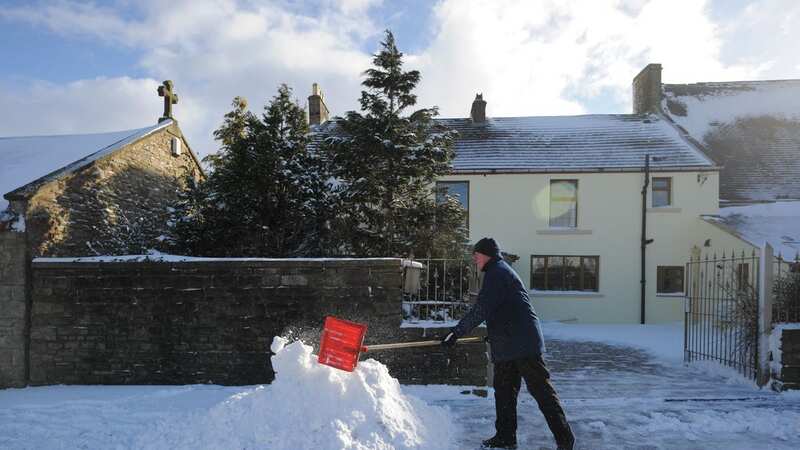
With many parts of the UK experiencing severe winter weather as the bitter Arctic snap takes hold, a lawyer has settled the debate on whether someone could make a legal claim against you for clearing your driveway of snow.
With the colder weather often comes ice and snow which can make things tricky and often dangerous as we try to go about our daily lives while battling the elements. Councils may grit public roads to help prevent accidents but our homes are our responsibility to take care of.
Paths and driveways can become lethal when left covered in ice and snow and many will attempt to remove it so they don't slip when leaving their house. However, it seems there's a claim in every scenario these days and at this time of year, the word often spreads that you can actually be sued for clearing your own driveway.
A lawyer has issued advice on the troubling topic and has revealed that in rare cases it is possible to be sued for the seemingly innocent act but you would have to be acting in a negligent way.
Jonathan Scarsbrook, president of not-for-profit organisation the Association of Personal Injury Lawyers (APIL), explains the meaning behind this: "Anyone clearing snow or ice would have to be demonstrably negligent to be liable for someone else's injury," he says.
 Gales, snow and rain to batter country today with 80mph wind gusts
"For example, if you use hot water to melt snow on a path, it is going to refreeze and create a dangerous sheet of ice in the current temperatures. This could cause someone serious harm. But using a shovel, and putting down salt or sand on paths and drives will do the job safely."
Jonathan goes on to expand on the difference between making a mistake and realising your actions could have serious consequences. "There is a distinct difference between a simple accident which no-one could reasonably foresee and that no-one is at fault for - and negligence when it comes to making a legal claim. Negligence is when someone does something which they could reasonably predict would cause a person to be injured."
He is keen to debunk the "age-old myth" that resurfaces every winter and encourages people to carry on trying to make their homes safer and to not let it deter you from helping neighbours.
"Good Samaritans should not be put off being helpful and caring towards others, especially when it comes to clearing snow and ice for their elderly and vulnerable family and neighbours," he says. "Just use your common sense and no-one will get hurt."
The Government's website offers advice on clearing roads, paths and cycleways. It also says you are unlikely to be held responsible if someone injures themselves on an area you have unblocked but gives detailed information on the best way to go about it to prevent any issues. It says you should:
Do it early in the day because it’s easier to move fresh, loose snow
Don’t use water as it might refreeze and turn to black ice
Use salt if possible because it will melt the ice or snow and stop it from refreezing overnight (but don’t use the salt from salting bins as this is used to keep roads clear)
You can use ash and sand if you don’t have enough salt - it will provide grip underfoot
Pay extra attention when clearing steps and steep pathways - using more salt may help
 Weather maps forecast 750-mile blizzard dropping three inches of snow next week
What do you think of this? Let us know in the comments below.
Read more similar news:
Comments:
comments powered by Disqus