Little-known symptom of deadly measles can be spotted in your child's eyes
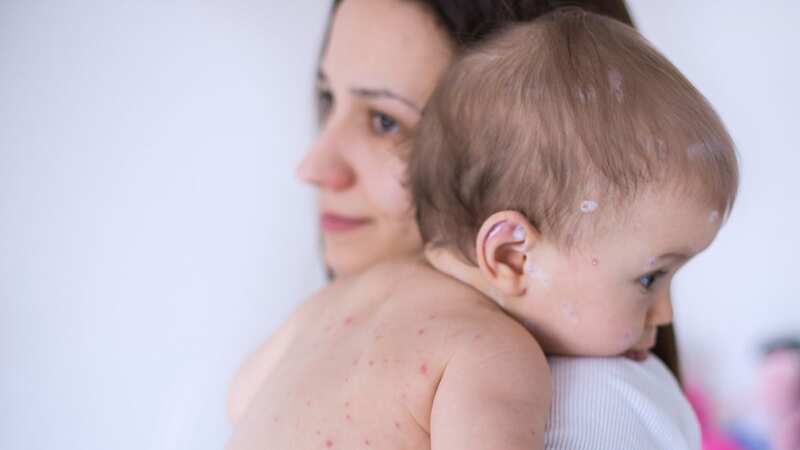
Measles cases are surging across the UK, and some of the symptoms of the disease can easily go unnoticed.
A new outbreak of the Victorian disease has been confirmed following a surge of cases in England and Wales. Although the illness is most common in young children, anyone can get it if they've never had it before, or if they haven't been vaccinated against it through the measles, mumps, and rubella (MMR) vaccine.
Measles is most easily identified by the distinctive red or brown rash on the skin, however, this rash normally follows other symptoms that you might not associate with the disease. This means you'll need to be on the lookout for some little-known symptoms before the rash develops, as this will let you know whether you or your child has measles in the early stages of infection.
Many of the early symptoms of measles can look like a cold or the flu, so at this time of year, it's important to be especially vigilant of the symptoms you or your child are experiencing, as it can be difficult to tell what illness you're facing. The first symptoms of measles develop around 10 days after you're infected, and can include a high temperature as well as a runny nose and a cough.
According to the NHS, you should specifically pay close attention to your eyes, as having watery eyes, swollen eyes, or sore eyes that are sensitive to light could all be symptoms of measles. The NHS' full list of symptoms include:
 Teachers, civil servants and train drivers walk out in biggest strike in decade
- cold-like symptoms, such as a runny nose, sneezing, and a cough
- sore, red eyes that may be sensitive to light
- watery eyes
- swollen eyes
- a high temperature (fever), which may reach around 40°C (104°F)
- small greyish-white spots in the mouth
- aches and pains
- loss of appetite
- tiredness, irritability and a general lack of energy
The measles rash is the most identifiable part of the disease, but this usually develops two to four days after the initial symptoms. The rash normally fades after around a week and is made up of small red-brown, flat or slightly raised spots that may join together into larger blotchy patches.
Most measles rashes start on the head or neck before spreading outwards to the rest of the body, and it may be slightly itchy for some people.
Do I need to see a doctor for measles?
Yes. The NHS says you should phone your GP urgently if you think you or your child might have measles, or if you've been in close contact with someone who has measles and you haven't been fully vaccinated or had the infection before.
You should also contact your GP if you're pregnant and have been in contact with someone who has measles, as the disease can be serious in pregnancy. If your GP is closed, you should call 111.
In some severe cases, you may need to go to A&E or call 999. The NHS states you should do so if you or your child has measles and is also exhibiting other symptoms including: shortness of breath, a high temperature that does not come down after taking paracetamol or ibuprofen, coughing up blood, drowsiness, confusion, and fits (convulsions).
Read more similar news:
Comments:
comments powered by Disqus