10 January 2024 , 14:00
1222
0
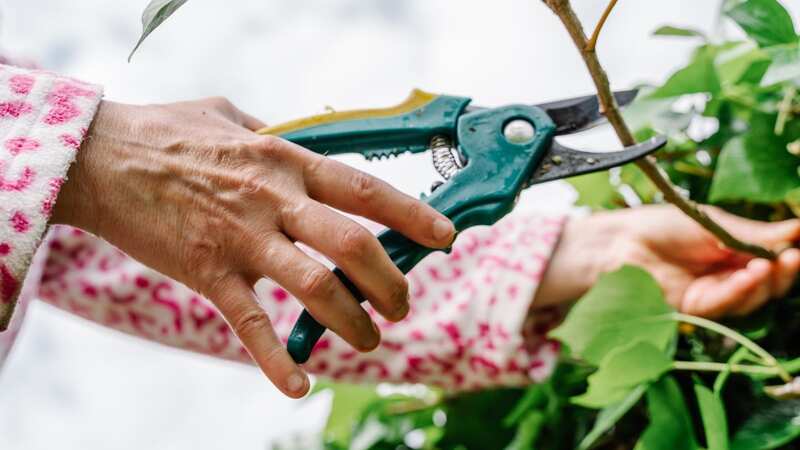
You should focus on pruning four common garden plants this winter if you want full blooms in spring, according to experts.
During the cold winter months, some people will have put down their gardening tools - but there are certain things you should be doing to your lawn this January in preparation for spring. Pruning has many benefits, as it allows plants to thrive. By pruning plants, gardeners remove the dead, diseased, and injured parts of a tree or shrub and help stimulate growth.
While January may bring chillier weather, there are four specific plants you should prune during the new year. Winter pruning should happen when plants are dormant, meaning they are not in active growth, according to gardening experts. The Royal Horticultural Society (RHS) have shared their advice on the exact time you should begin pruning and some effective methods to promote growth, and encourage plenty of flowers during the summer months.
According to the RHS, wisteria should be pruned twice a year once in July or August and once in February. The RHS encourages gardeners to "leave their young wisteria unpruned until it has covered the wall or garden structure and then begin the regular pruning to encourage flowering".
The experts recommend you cut back to two or three buds to tidy it up before the growing season starts. They added: "With older plants severe pruning may be needed to remove old, worn-out growths, or branches growing over windows or protruding outwards from the face of the building."
 Viral sausage roll debate leaves Brits confused about how to order at Greggs
Pruning roses may seem complicated at the start, but it's generally a quick and easy process once you get the hang of it. To prune roses, you should begin by removing any dead, diseased, and damaged stems, which helps open up the centre of the plant to improve air circulation and deter fungal diseases. However there are some roses you shouldn't prune, but that doesn't include shrub roses, climbing roses, hybrid teas, and floribundas.
When it comes to pruning apples and pears, the RHS has said: "Always use sharp secateurs, loppers and a pruning saw, blunt tools lead to strains and tatty pruning cuts. Start by removing crossing, rubbing, weak, dead, diseased, damaged and dying branches.
"Shorten the previous year’s growth on each main branch by about one-third to a bud facing in the required direction. This will encourage the development of new branches and spurs and maintain a good shape. Leave young laterals unpruned so they can develop fruit buds in the second year."
Gardeners have been encouraged to lightly prune their Japanese maples during the winter months when they are dormant to remove any wood. The RHS recommends pruning young trees to around 16 inches in the first winter.
The experts say you should never over-prune and only do so when necessary and while using the right tools. As with most trees, winter is generally the best time to modify branch structure, while summer to very early fall is best reserved for thinning out the branches of a tree.