Best seeds to grow in January from garlic and onions to peppers
Planting vegetable seeds at this time of year may not be very high on your new year to-do list, but doing so can yield some rather pleasing results.
As winter's chill bites outside, gardeners often turn to the warmth and comfort of home, where windowsills and dedicated seed-starting spaces make the ideal incubators for a future crop. Indoor sowing in January allows for a strategic and timely start to the growing season, providing a controlled environment for germination.
Using trays or pots, nestled under the glow of artificial lights that mimic the sun's nourishing rays, not only extends the growing period but also ensures robust seedlings ready to be transplanted into the outdoor garden when the frost recedes.
Some vegetables, such as garlic, usually require a spell of cold to form a good bulb, so are generally planted outside from January to late March. Here, TikToker Rhiannon's Garden has shared some of her favourite vegetable seeds to plant in January.
Garlic
Rhiannon says: "January is your last chance to get garlic cloves in the ground as this vegetable really needs a period of cold to get going. Make sure you've bought garlic especially for planting, and make sure you've prepared the bed well with plenty of compost or natural fertiliser - as garlic is a really hungry plant."
 Gales, snow and rain to batter country today with 80mph wind gusts
The Garlic Farm has five handy steps to planting garlic:
Step 1
Get your soil ready by incorporating plenty of quality compost well in advance of planting. Ensure adequate spacing, maintaining a distance of 15cm between each clove. Choose a location that receives optimal sunlight throughout the day, and prioritise good drainage.
Step 2
Separate the bulbs into individual cloves, keeping the skin intact. Plant the cloves below the ground surface, approximately 3-4cm deep, with the root side down and the pointed end facing upward. Maintain a spacing of 15cm between each clove.
Step 3
Provide adequate water to your garlic during dry spells throughout the growing season, but stop watering entirely in the final weeks. Promptly eliminate any emerging weeds. Starting in February, apply sulphate of potash to your garlic every six weeks to ensure it receives all the necessary nutrients for robust growth.
Step 4
The garlic itself will indicate the ideal harvest time. Harvesting too early may result in missing the last growth spurt, while waiting too long may lead to bulb rot in the soil. When the garlic topples over, and the leaves turn brown, it's time to harvest.
Onions
Rhiannon says: "If you'd like to start onions early from seed, then January is a great time to do it."
 Tips to stop windscreen freezing and prevent blades from sticking to window
Quickcrop says: "Your garden is too cold and wet to start onion sets off now but you can get them going in trays placed indoors towards the end of January. The onions will root and produce leaves straight away and will grow happily in a plug tray until they are planted out in March/April."
Peppers, chillies and aubergines
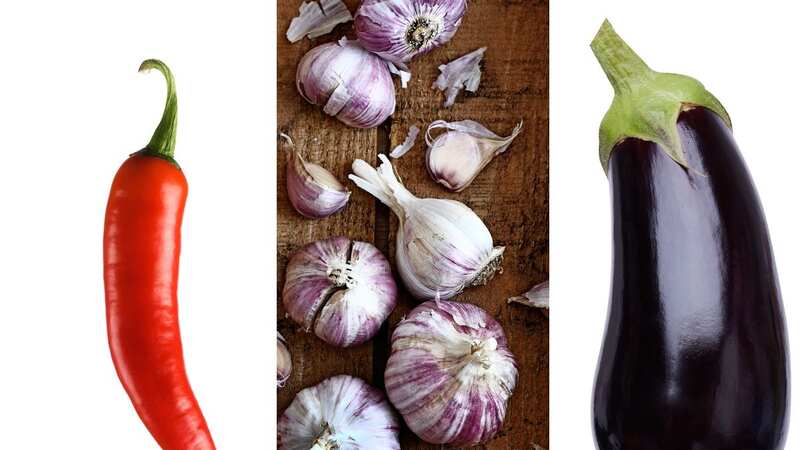
"January is also the best month to start off your peppers, chillies and aubergines - as these plants need a really long growing season in order for the fruits to ripen in time. Make sure you start them off with plenty of heat - preferably a heated propagator, with grow lights if you have them," says Rhiannon.
Chillies
Thompson & Morgan has some handy hints on sowing chillies indoors. They say:
1. Begin the germination process by starting your seeds indoors, as they require a warm environment to sprout. Fill a seed tray or 10cm pots with damp seed compost and level the surface.
2. Sow a few seeds on the top layer and lightly cover them with a fine sprinkle of vermiculite or compost. Use a propagator with a temperature range of 18-25°C (64-77°F). If unavailable, use polythene to cover the seed trays and place them on a sunny windowsill or in a warm airing cupboard.
3. Typically, germination occurs within 7-10 days. Once this happens, transfer the seedlings to a warm, sunny windowsill or a heated greenhouse. Maintain even moisture in the compost, being cautious not to let it become excessively wet. Transplant them outdoors from mid-May onwards.
Peppers
First Tunnels advise that while it is possible to germinate your pepper seeds in any warm spot (above 21°C.), for best results you should get a propagator. For your peppers to thrive in winter, LED grow lights are a great way to make sure the plants don't get too leggy and weak from lack of sunlight.
The site goes on to say: "One of the main problems that can occur with seeds is that they can be watered too much or too little. It is important to regulate the amount of water seedlings get carefully. Always water from below and consider the humidity levels inside your home."
While it can seem a long, arduous wait until the weather warms up enough to transfer your peppers to your polytunnel, you should make sure you still care for your plants. Be sure to pot your peppers up before they outgrow their pots, as this could affect their growth. Keep pepper plants indoors until the night temperature is at least 12°C (54°F).
Aubergines
Gardener's World says you should plant aubergine seeds indoors as early as January, provided you have access to a heated propagator. Once the first true leaves emerge, carefully transplant the seedlings into individual 7.5cm pots. Harden off aubergine seedlings outdoors from mid-April.
Read more similar news:
Comments:
comments powered by Disqus