Expert explains why New Year's resolutions fail - and why they're abandoned
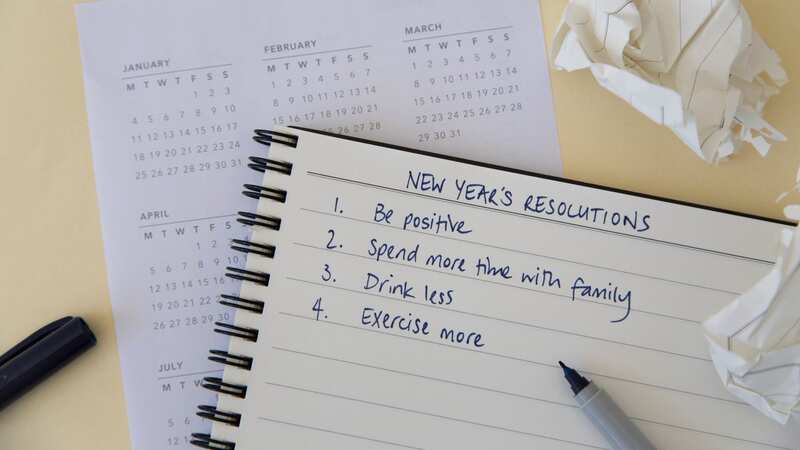
Whether it's losing weight, pursuing an exciting hobby or socialising more, making New Year resolutions is an important part of the year for everyone.
Hope and optimism is in the air, but the reality is that over 90 per cent of New Year’s resolutions will be abandoned in just a few months. You may be wondering why we’re not the best when it comes to keeping our New Year resolutions -but experts suggest there are many reasons behind this, from thinking too big to just not being ready for change.
According to psychologist Terri Bly, one of the biggest issues with these resolutions is that they’re often centred around huge sweeping changes, such as fixing eating habits or becoming fluent in a new language.
She said: “Where we go wrong with New Year’s resolutions is there’s this idea it’s supposed to be some big, sweeping changes because that sounds kind of sexy, but as humans we’re not wired to make big sweeping changes.”
Up to 50 per cent of resolutions fail, typically because people set unrealistic goals or because they’re unclear about what they really want to achieve. To avoid this, you can try to set smaller goals, such as spending five minutes a day learning a new word, or skill. This allows us to ease themselves into sustainable changes, instead of revamping our lives in one go.
 Newsboy’s Daily Double plus tips on every race from Monday’s three meetings
 There are many reasons why we struggle to keep our New Year's resolutions (Getty Images)
According to VeryWell, resolutions may also change because we might not know why we want to change in the first place. For instance, if we want to go to the gym, is it because we want to get in shape, be fitter, or something else?
If there is a clear reason, then it could be easier sticking to goals, and working with a long-term vision in mind. Bly said: “[We need to have an] understanding of what is the thing I want for myself? How might I get that?
Another reason why resolutions might fail is because we aren’t ready for change to happen in the first place. The Stages of Change model is a way to understand the process people go through before they’re psychologically ready for change.
The model is made up of the following stages:
Pre-contemplation: You’re starting to become aware that there may be something to change
Contemplation: You’re thinking about making a change
Preparation: You start putting a plan together to make a change
Action: You make the change
Maintenance: You determine how to maintain the change
Most people who stick with their New Year’s resolutions are likely around the Action stage when they make their resolutions, while those that fail are not. This indicates that people who make New Year's resolutions on a whim are unlikely to succeed.
 Family's 'nightmare' as £345,000 new home plagued with mould and unfinished work
Instead, a certain amount of thought and psychological—and possibly physical—preparation and planning has to go into a New Year's resolution in order to sustain it.
Read more similar news:
Comments:
comments powered by Disqus