11 December 2023 , 10:09
937
0
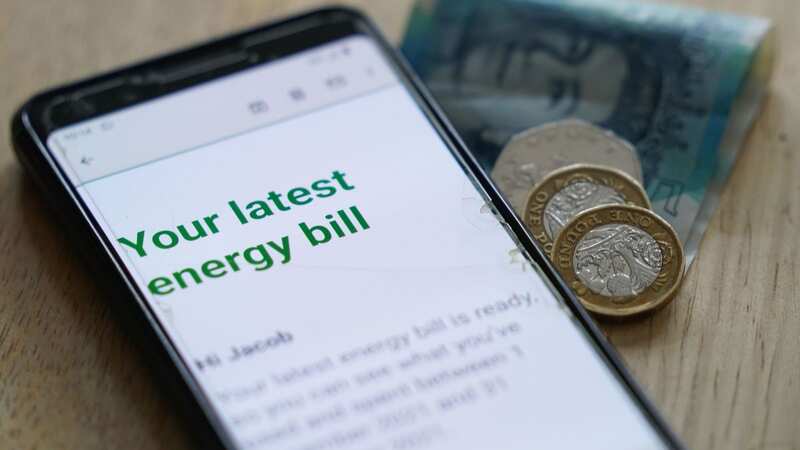
Households are being urged to act before energy bills are hiked in the New Year.
From January 1, Ofgem will increase its energy price cap comes into effect. Last month, the industry regulator announced it was raising the price cap from the current £1,834 per year for a typical household to £1,928. This is a 5% increase on what prices are now and will see the average bill rise by around £94 a year.
Before the price cap rises, households are being advised to take a meter reading to avoid being overcharged. Meter readings tell energy suppliers how much gas and electricity you're using and they are usually displayed as a row of numbers on your energy meter.
Supplying your meter reading will stop energy suppliers from estimating your usage and potentially charging you the previous higher rate. Emily Seymour, energy editor at consumer magazine Which? advises households to take a meter reading as close to December 31 as they can get - if you do these a few days before it shouldn't make too much of a difference. It is also advised to take a picture of your meter at the time you take the reading as this is proof to your supplier.
She said: “We’d recommend that everyone without a smart meter takes a meter reading on or close to December 31 to make sure they don’t overpay for any energy used before the new price cap takes effect. Submitting meter readings regularly is a good idea, and makes sure you are billed correctly."
 Shop prices 'are yet to peak and will remain high' as inflation hits new heights
If you have a smart meter then you will not need to take a meter reading. This is because smart meters should automatically send the exact reading to your energy supplier.
You will first need to find your energy meter. If you live in a house your meter will typically be located either under the stairs if you have cupboards or near the front door, possibly above the door or just next to it. It can also be found in a cupboard outside your home. If you live in flats, your meter can also be located in the corridors of your flat building alongside other resident's meters. They will often have a flat number indicating the flat or apartment each meter belongs to.
For most standard meters, you’ll need to note down the first five numbers shown from left to right on your meter, then send this to your energy supplier. Some meters show red numbers, which you do not need to submit and can be ignored.
For different meters, check out our guide on how to take a reading. You can submit your reading either online through your energy account, over the phone, or through your energy provider's app.