Cleaning expert shares 'safest' and best way to banish black mould from windows
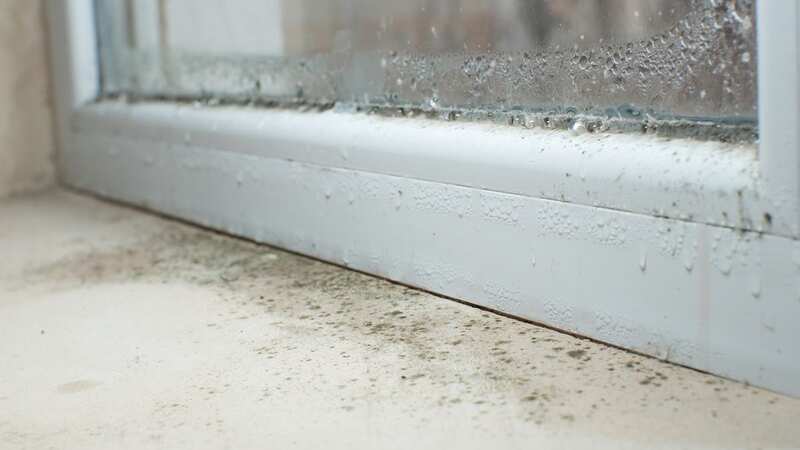
As the weather gets colder, homes are more susceptible to moisture build-up and condensation, which can lead to mould.
Mould can grow fast in the space of 24 hours, once the area has been exposed to moisture, and can cause chaos if not dealt with imminently. This can not only cause worrying damage to your property, but can have an impact on your health too.
However, there are ways you can deal with the problem - even if mould has already arisen in your home. Baqir Khan, who is the owner of Proactive Cleaners, has recommended prioritising using soap and water on the affected area when it comes to removing mould from windows.
 Mould shouldn't be cleaned with bleach, says cleaning expert (Getty Images/iStockphoto)
Speaking to the Express, the cleaning expert said: "The safest method for removing mould from windows is to use a solution of soap and water or a light detergent while wearing protection." The expert explained that using bleach can damage the finishes, advising on alternatives like hydrogen peroxide or vinegar and water.
He recommends using a sponge or towel to clean the impacted areas will help them from spreading further. Baqir explained: "Bleach can harm finishes and may not be as successful in getting rid of mould from porous materials, so stay away from applying it to window surfaces. For safe removal in such circumstances, it would be preferable to seek expert assistance."
 Cleaning guru shares why you shouldn't make your bed first thing in the morning
According to the National Health Service (NHS), mould can have an impact on respiratory problems and impact those with allergies. The health body says: "Inhaling or touching mould spores may cause an allergic reaction, such as sneezing, a runny nose, red eyes and skin rash. Moulds can also cause asthma attacks."
Some people can also be more sensitive to mould than others including babies and children, elderly people, those with skin issues like eczema, respiratory problems and those with weakened immune systems including those going through chemotherapy.
Read more similar news:
Comments:
comments powered by Disqus