07 December 2023 , 07:30
990
0
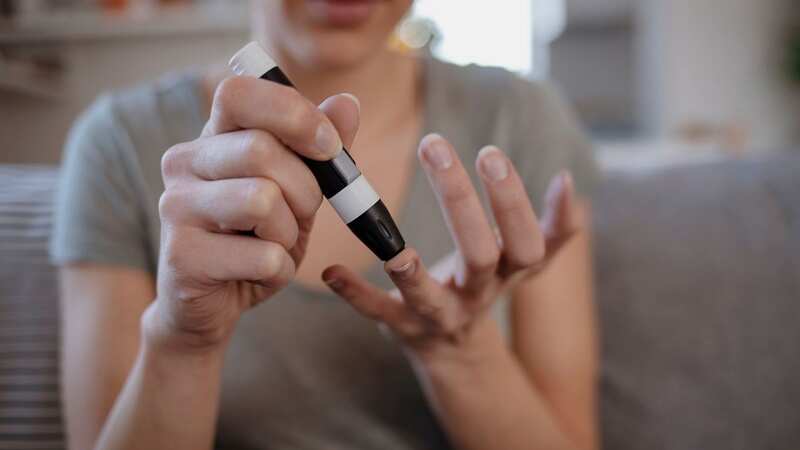
An existing drug has been discovered that appears to stop Type 1 diabetes from developing.
A world first trial has shown a rheumatoid arthritis drug can preserve the body’s own insulin production and suppress the progression of type 1 diabetes in people newly diagnosed. There are around 400,000 Brits living with type 1 diabetes which is a lifelong autoimmune condition occurring when the immune system goes rogue and kills the insulin-producing beta cells in the pancreas.
A drug called baricitinib has been found to inhibit a protein that is important in the immune system attack on the beta cells. Lead researcher Professor Thomas Kay, of global Type 1 charity JDRF, said: “Our trial has determined that baricitinib can preserve beta cell function and insulin production in people recently diagnosed with type 1 diabetes.
“This suggests that if given early enough baricitinib may allow people with type 1 diabetes to be significantly less dependent on insulin treatment.” People with type 1 diabetes must try to keep their blood glucose levels stable to avoid fluctuating between hyperglycaemia - very high - and hypoglycaemia - very low - blood glucose.
To do this, they must give themselves insulin either by injection or infusion through a pump many times a day just to stay alive. In the long-term unstable blood sugar levels can cause serious heart, nerve, eye, and kidney complications.
 'I was so ashamed of diabetes that I injected myself under desk and became ill'
The immune attack on beta cells happens gradually so younger people with type 1 may still have some beta cells that are able to make insulin. The trial, published in the New England Journal of Medicine, included 91 Australians aged 10 to 30 years who had been diagnosed in the previous 100 days.
Compared to placebo the daily dose of baricitinib resulted in stable C-peptide levels and sustained insulin production over 48 weeks. Baricitinib also led to improved time within insulin range. Rachel Connor, director at JDRF UK, said: “This is tremendously exciting news. For the past 100 years insulin has stood as the only treatment for type 1 diabetes.”