8 common problems in rented homes as tenants live in 'Dickensian death traps'
Nearly half of all UK rental tenants are living in 'Dickensian death trap' properties plagued with mould, damp, leaks, electrical hazards and heating issues, according to a shocking new study.
A survey of 1,000 tenants across Britain - conducted on behalf of housing disrepair compensation specialists at law firm Hodge Jones & Allen - revealed that 48% of people are currently living in potentially dangerous living conditions that could be unsafe or impact their long-term health.
The findings suggest tenants aged 18-24 are the most likely to be living with an issue (67%), followed by 35-44-year-olds (52%). The city with the most housing disrepair issues was shown to be Nottingham, where a whopping six in ten (60%) tenants revealed they’re living with one or more issues.
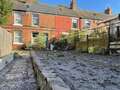
 One in ten rental properties are also estimated to have a category one hazard present, (Getty Images)
This was closely followed by Bristol (59%), Manchester (58%), Newcastle and Norwich (both 57%) and London (55%). And Census data shows that the UK rental market is booming, with the number of households renting has more than doubled in the last 20 years.
Meanwhile, as demand across the country for rental properties rises, more than half (51%) of private tenants have seen their monthly rent increase around 10% in the last year - while a shocking 14% of rental properties don't meet the government's 'Decent Homes Standard'.
 Landlord slammed after filming himself telling tenant he's doubling her rent
One in ten rental properties are also estimated to have a category one hazard present, which means tenant safety is judged to be at serious risk. The most common disrepair issues were found to be mould and damp, followed by defective entrance and leaks.
 The findings suggest tenants aged 18-24 are the most likely to be living with an issue (Getty Images/500px)
Bedrooms and the kitchen, arguably two rooms where a lot of time is spent, were the most common locations for disrepair issues. While the majority (83%) of tenants revealed they've reported at least one of the issues to their landlord already, 17% hadn't.
Of those quizzed who said they hadn't reported a disrepair issue, one-third (36%) said it was 'too much hassle', or they thought there was 'no point as nothing would be done about it'. On average, those who reported issues saw them fixed in just six days. And more than a quarter (28%) of tenants have been waiting six months or more for their issue to be resolved by their landlord or local authority.
Farzana Chowdhury, partner at Hodge Jones & Allen and expert in Housing Disrepair Compensation Claims, said: "These statistics show there are people up and down the country forced to live in potential death traps, in sometimes Dickensian living conditions. I had hoped tenants' situations might have been improving but our latest survey reveals the ongoing significant challenges they face.
 Half of UK tenants are living in 'Dickensian death trap' properties (Kennedy News and Media)
"Rent rises and disrepair issues are making life intolerable for so many. It is essential that tenants are fully aware of their rights and the path they need to take to ensure their living accommodation is repaired in a reasonable amount of time. This will be dependent on what the problem is and how serious it is."
Tenants in Norwich have the longest average wait time for a repair to be made (10 days), followed by those in Leeds (nine days) and Liverpool (eight-and-a-half days). But tenants in Edinburgh are the most likely to have waited more than six months for their disrepair issue to be fixed (67%).
Mr Chowdhury said: "In my experience, landlords are fully aware of their legal duties. If they fail to respond to their tenants' complaints or carry out repairs within a reasonable time period, a tenant can choose to take legal action requiring their landlord to carry out the necessary works.
 Tenants in Norwich have the longest average wait time for a repair to be made (Kennedy News and Media)
"In terms of legal recourse, a tenant may also wish to bring a disrepair claim against their landlord. This can include a claim for compensation and for other losses and expenses incurred as a result of the disrepair.
"It's fundamental that tenants continue to pay their rent when it falls due, despite the poor conditions within their home. This is because it is a tenant’s obligation to make such payments under their tenancy agreement.
"A failure to pay rent is a breach of the tenancy and may lead to landlords seeking legal action against the tenant and they can also claim possession if tenants fall into rent arrears."
 Martin Lewis forced to deliver devastating blow to woman facing £500 rent hike
The top eight common disrepair issues found in rental properties
- Mould (48% have it in at least one room in the house)
- Damp (47%)
- Entrance defects (29%)
- Roof leak (26%) / water leak (26%)
- Blocked pipes / drains (24%)
- Electrical hazard (23%) / heating or hot water issues (23%)
- Structural damage (21%)
- The absence of a working smoke detector (20%)
Read more similar news:
Comments:
comments powered by Disqus