25 November 2023 , 12:47
810
0
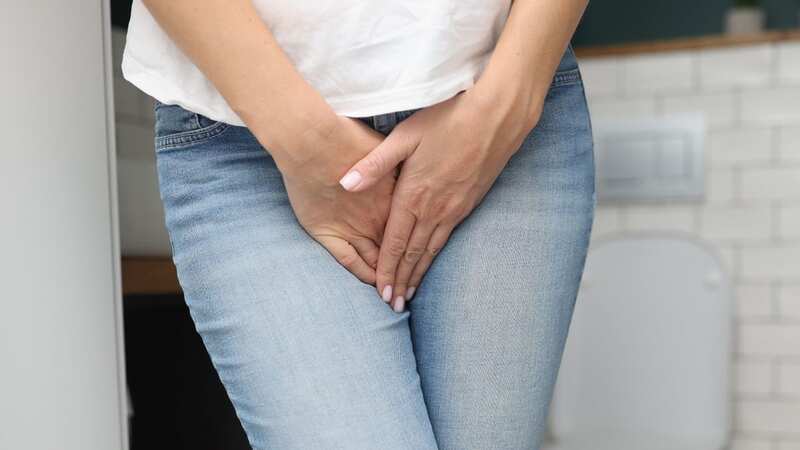
Laughing so hard that you wet yourself isn't uncommon - and it's also nothing to worry about.
We've all been there. Someone tells a joke so funny that you just can't stop laughing, and before long your ribs hurt, you've got tears streaming down your face, and a little bit of wee has come out. It might be something that happens to some people more often than others, but it's nothing to be embarrassed about - after all, there's a reason "wet yourself laughing" is a very common phrase. And according to one nurse, there's a little-known reason why some women wee when they laugh.
Jane Clarke, a continence nurse at ConfidenceClub, has more than two decades of experience in the area and has insisted it's more common than people think. It's all to do with the pelvic floor muscles, which can be put under intense stress when you laugh due to the pressure in the abdomen.
Speaking to the Daily Star, she said: "Occasionally referred to as 'giggle incontinence', leaking when you laugh is technically called stress incontinence. This occurs when there is a build of pressure, or 'stress', in the abdomen which pushes down into the pelvic cavity.
"The pelvic floor muscles, which support the pelvic organs and help keep your bladder closed, are sometimes not strong enough to withstand sudden strong downward pressure, like when you are laughing. What then occurs is that a little (or a lot) of urine can leak out of your bladder."
 Teachers, civil servants and train drivers walk out in biggest strike in decade
And while weeing yourself when you laugh isn't anything to be ashamed of, there are some things you can do to try and stop it from happening. Jane recommends doing pelvic floor exercises, which involve developing a daily regime to strengthen the group of muscles that help control and support your bladder.
She added: "The best way to prevent stress urinary incontinence is to ensure your pelvic floor muscles are nice and strong by doing regular pelvic floor muscle exercises. Remember, like any muscle group, the pelvic floor needs ongoing exercise to stay strong, so consistency is key."
Pelvic floor exercises are backed by the NHS, who have created their own guide on how to properly practice the exercises, which you can find here. The guide also states other ways you can help improve the strength of your pelvic floor, including maintaining a healthy weight. It states: "Extra weight puts extra strain on your pelvic floor muscles."