14 November 2023 , 00:01
705
0
An artificial intelligence revolution in the NHS could see thousands of heart attacks prevented, a trial shows.
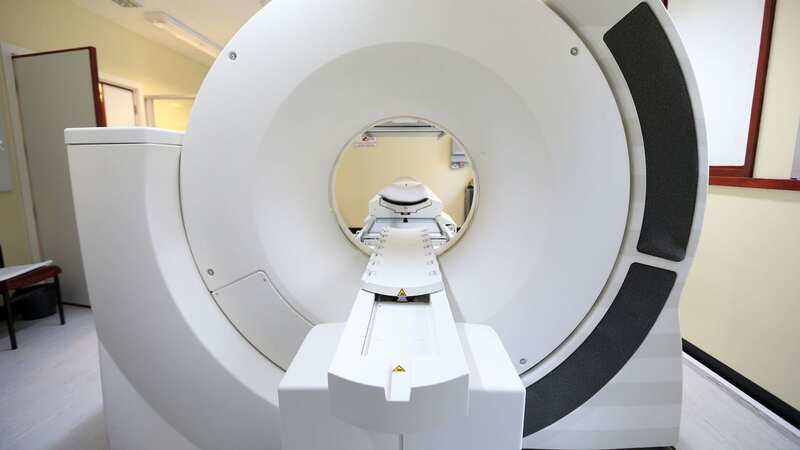
Oxford University scientists have developed a program to identify small, previously undetectable narrowing of the arteries. About 350,000 Brits have cardiac CT scans every year but medics can only usually identify “significant” narrowing. Researchers analysed data on 40,000 patients undergoing routine scans and tracked their progress for three years.
Many patients with no significant narrowings went on to have heart attacks, some fatal. The AI program was trained using information on narrowings and other risk factors. The tool was tested on a further 3,393 patients over almost eight years and the software was able to accurately predict the risk of a heart attack. AI-generated risk scores were presented to medics for 744 patients, with 45% having their treatment plans altered by medics as a result.
Professor Charalambos Antoniades, of Oxford University and chairman of cardiovascular medicine at the British Heart Foundation, said: “Our study found that some patients presenting in hospital with chest pain, who are often reassured and sent back home, are at high risk of having a heart attack in the next decade, even in the absence of any sign of disease in their heart arteries. We hope that this AI tool will soon be implemented across the NHS, helping prevent thousands of avoidable deaths from heart attacks.”
The study is one of several machine-learning schemes being explored by the NHS. Earlier this year, the Mirror revealed how an advance in using AI to diagnose skin cancer is set to free up overstretched NHS dermatologists to see thousands more patients.
 Teachers, civil servants and train drivers walk out in biggest strike in decade
The new technology, known as DERM, can identify 11 types of lesions, including common skin cancers, within seconds. As well as speeding up cancer diagnoses, the technology is expected to save busy dermatologists hundreds of thousands of hours, allowing them to see patients with other skin complaints, such as psoriasis, vitiligo, eczema and lupus, who get bumped down the list as cancer takes priority.