13 November 2023 , 11:31
808
0
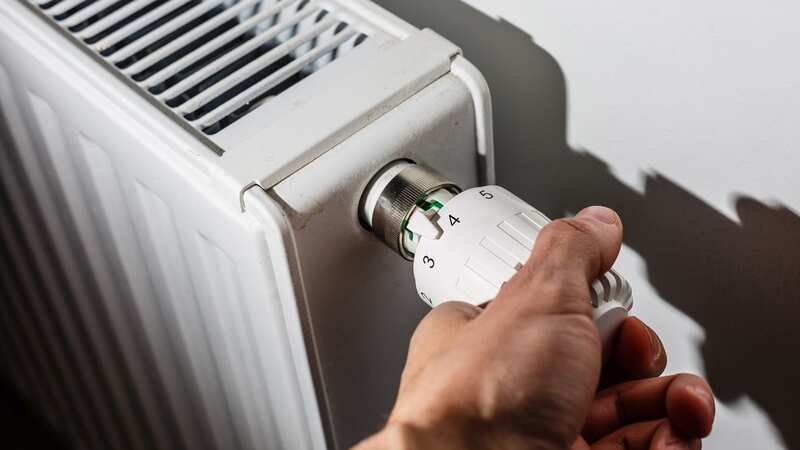
Heating experts have shared the "optimum" temperature your thermostat should be set at this winter to save you the most money.
Temperatures across the UK have dropped and the country is even expecting some icy weather over the coming week. With the recent cold spells more and more homeowners are deciding to switch on the heating in their homes.
However, as energy bills are still sky high, households want to know the most efficient way they could heat their home this year. Energy experts at the advice and comparison site, Utility Bidder have shared the "optimum" temperature to set your heating to for both your finances and your health.
James Longley, managing director at Utility Bidder explained: “Many people will be worrying about the financial cost of switching the heating on, so we wanted to share some expert advice on the correct temperature to set your heating to, not just to keep costs to a minimum, but also to protect your health."
The energy expert said that the "ideal" temperature to set your home at is between 18C and 21C during the colder months. He added: "The World Health Organisation has also recommended heating the home at around 18C to maintain good health and a positive sleep routine."
 Shop prices 'are yet to peak and will remain high' as inflation hits new heights
Older people, young children and people with medical conditions may need it slightly warmer - 20°C is considered to be more appropriate. The Energy Saving Trust also advises that you should always set your thermostat to the lowest comfortable temperature, but should aim for around 18-21°C.
James said: "Many people would presume that turning the thermostat down low is beneficial, but while it might save you some money in the short term, it is putting your health at risk and you’ll find that you have the heating on for longer as it won’t heat the home as efficiently as it would if the thermostat is set between 16 to 21°C.”
Different rooms have different recommended temperatures. According to advice from energy supplier OVO Energy.
As your living room is where you spend most of your time, you want to have it at the most comfortable temperature. With your bathroom, OVO noted that you wouldn't want to step out of the shower into an "icy room" so setting it a little higher will help - also showers and baths can create humidity which will help your boiler as it won't need to work as hard to maintain the temperature.
With bedrooms, OVO says it does not need to be set as high as other rooms as you generally spend your time there in bed.