11 November 2023 , 09:00
961
0
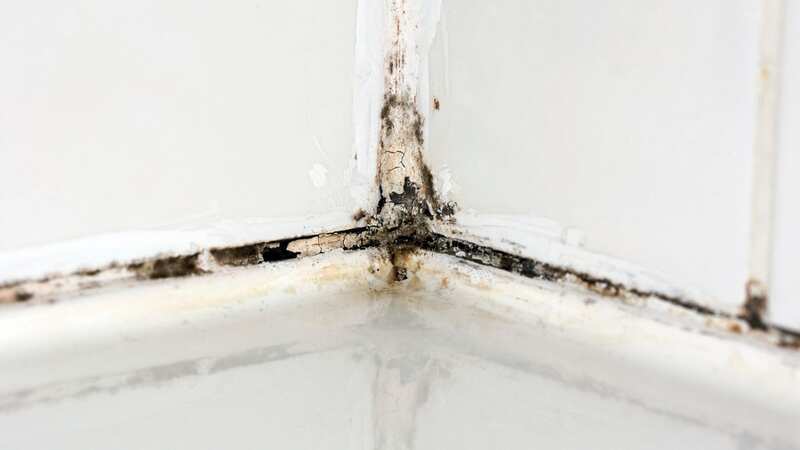
There's nothing more annoying than finding mould on bathroom surfaces, particularly when you've plastered your bathroom corners with silicone sealant only to it covered with black spots. Silicone sealant stops water from spilling in kitchen and bathroom corners and protects surfaces from becoming damaged.
When the silicone sealant is left untouched for long periods of time, it can become difficult to clean. Over time, constant exposure to moisture can make surfaces the perfect breeding ground for mould - and it can become difficult to remove the stains.
Olivia Young, a cleaning expert and product development scientist at Astonish, told the Express: "The rubbery consistency of bath and shower sealant, combined with the damp and warm environment in a bathroom, quite simply is a breeding ground for mould.
"Whilst it's not something you'd want to have in there, it is a common occurrence for millions of households. When it comes to mould, there's no messing around – you've got to act quickly. Get to work removing it as soon as you spot it, as leaving it will only make the problem worse."
The perfect method to remove mould from a silicone sealant is by using white vinegar as it acts as a "natural and effective cleaning agent" to eradicate stains, according to Cristina Solis, a sustainability consultant at Green Hive. You can easily find white vinegar available in supermarket stores such as Tesco. Using a spray bottle, you should add the vinegar and water. You will also need to have a toothbrush in hand.
 Viral sausage roll debate leaves Brits confused about how to order at Greggs
Spray the area with the mixture and allow the vinegar solution to sit on the mould for about 10 minutes. Cristina explained: "During this time, it breaks down the mould and mildew, making the removal process easier." Once you've counted down the minutes use a toothbrush to scrub the area.
The expert shared: “The bristles of the toothbrush will help remove the mould without damaging the sealant.” After, rinse the sealant thoroughly with clean water to remove any remaining vinegar residue and loosened mould. You should find the method has "eradicated all traces of mould completely". But if this isn't the case, you should repeat this process a few times. Baking soda is also a good alternative to white vinegar. Cristina said: "Baking soda, a natural cleaning agent, can effectively kill mould and neutralise its odour."