07 November 2023 , 15:02
875
0
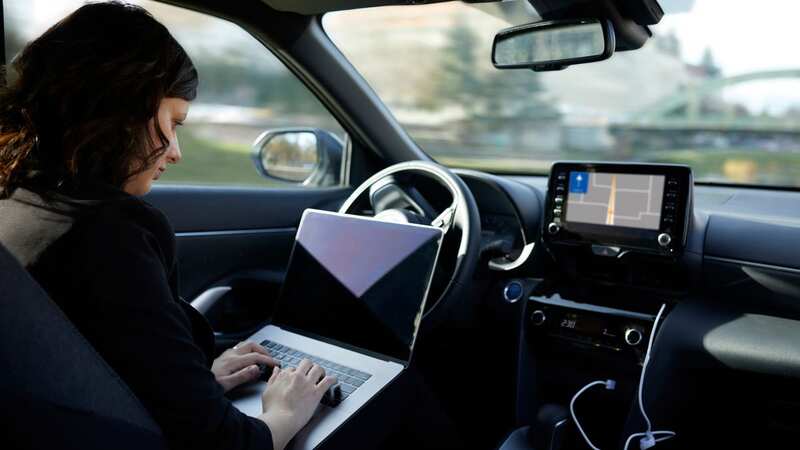
Brit drivers could see a self-driving revolution over the next decade in changes unrolled in today's King's Speech.
The government wants to see more self-driving cars on the roads in what they say will unlock £42billion into the economy with 38,000 jobs over the next 11 years. Ministers also believe more self-driving cars will reduce the number of roads accidents, the majority of which are caused by human error.
But questions about safety and liability have long been a grey area. In his first speech to Parliament as monarch on Tuesday, the King unveiled the Automated Vehicles Bill which places responsibility for any accidents involving self-driving cars with the manufacturers.
The new rules mean that anyone causing an accident in a self-driving vehicle would be immune from prosecution, as the Government says it "doesn't make sense" to hold the person at the wheel responsible. It says: "While the vehicle is driving itself, a company rather than an individual will be responsible for the way it drives."
 More detail was revealed around safety measures and regulation for driver-less cars (Getty Images/iStockphoto)
This means companies that fail to meet safety requirements face signs and sanctions, with prosecutions in serious cases. Announcing the change, King Charles said: “My Ministers will introduce new legal frameworks to support the safe commercial development of emerging industries, such as self-driving vehicles.”
 5 bits of bad news the PM snuck out as Parliament suspended before King's Speech
As well as fears over safety, self-driving cars have also prompted concerns about job security and hacking, as automated cars would need to use the same network system to communicate with each other which could be hacked and result in collisions.
The Bill will aim to ensure there is clear legal liability over who or which organisation is responsible during crashes involving self-driving cars.
The Government says this will stop users being held accountable in situations where that would not be fair.
When the car is in self-driving mode, the company running the vehicle would be liable. Drivers retain the responsibility for non-driving aspects such as insurance and roadworthiness.
Downing Street denied that making the firm behind the self-driving technology liable would disincentivise manufacturers from investing in the UK.
The Prime Minister’s official spokesman told reporters: “No, we believe that’s a common-sense approach which both protects the consumers and ensures they’re not unfairly held accountable. Clearly, if a vehicle is driving itself it’s right that the company, rather than the individual, is responsible for the way it is driven.
“The non-driving responsibilities still remain with that person and we think that strikes the right balance and will be in line with the approach taken elsewhere.”
AA president Edmund King said: “The plans to introduce self-driving vehicles provide the opportunity for more efficient travel, but safety must be paramount when rolled out onto UK roads.
“Vehicle technology to improve road safety can be designed into cars more quickly, reducing the likelihood of crashes, the workload of the emergency services, and avoidable casualties.”