01 November 2023 , 21:56
936
0
Doctors are urgently searching for a solution to stop the ‘needless deaths’ of thousands of kids as antibiotics for life threatening infections in babies become ‘no longer effective’.
A groundbreaking study by scientists in Australia has revealed that not even 50 percent of treatments recommended by the World Health Organisation (WHO) to treat pneumonia, sepsis and meningitis cases in children work today. They say it is because of antibiotic-resistant (AMR) superbugs that adapt to overcome the medicine designed to kill them.
Experts at the WHO say the growing problem is in the top 10 health threats currently facing humanity as a whole. AMR superbugs have already led to the deaths of more than a million people and this is expected to rise to 10 million deaths by 2025. But the most vulnerable group to the terrifying phenomenon is infants because new antibiotics are less likely to be used on them due to fewer trials for their age group, researchers from Lancet South East Asia say in a new study.
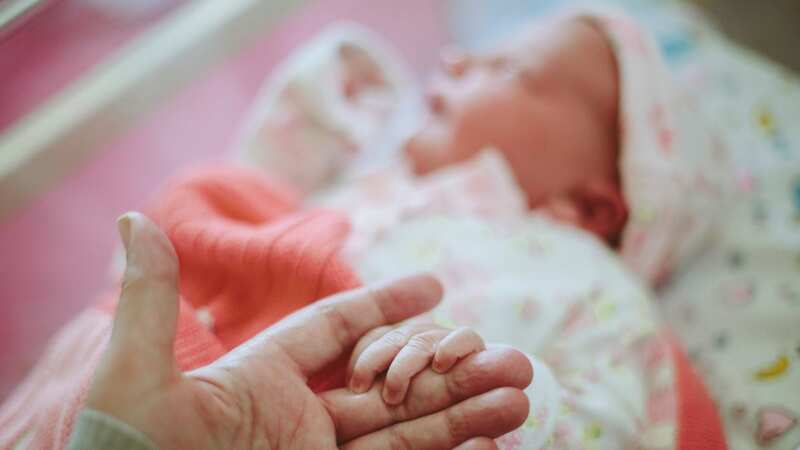
 Thousands of infants die every year because of resistance to antibiotics (stock image) (Getty Images)
The scientists analysed a decade’s worth of data up until 2021 and looked at 6,648 cases in 11 countries to identify concerns. Most data was more relevant to regions in the Asia-Pacific, but the University of Sydney researchers found ceftriaxone, which is used throughout the NHS to treat infections like sepsis, was only successful in one-third of cases. Of around three million global cases of babies with sepsis, more than half a million die - with some of those due to antibiotics resisting treatment.
Paediatrician Dr Phoebe Williams, the study's lead author, said: "Antibiotic resistance is rising more rapidly than we realise. We urgently need new solutions to stop invasive multidrug-resistant infections and the needless deaths of thousands of children each year.” Senior author Paul Turner added: “This study reveals important problems regarding the availability of effective antibiotics to treat serious infections in children."
 Teachers, civil servants and train drivers walk out in biggest strike in decade