Dog owners could be handed £200 vet bill by making easy Halloween mistake
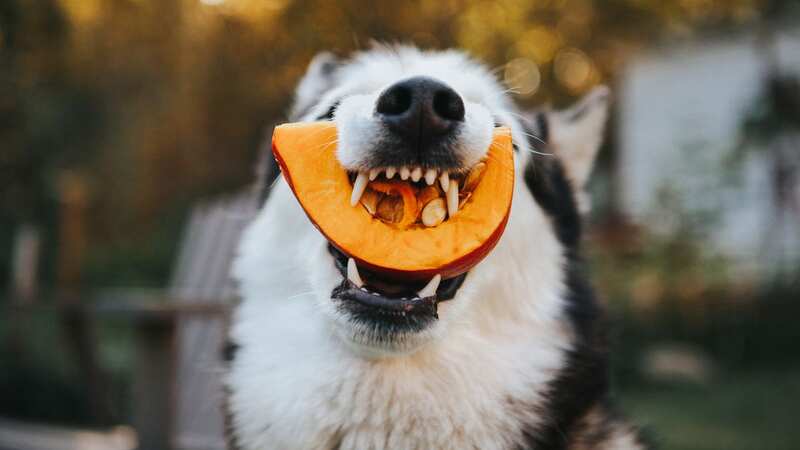
Dog owners have been warned about the dangers of Halloween food that could lead to a hefty vet bill and an emergency trip. While pumpkin carving is a much-loved Halloween tradition, parts and products containing the fruit can seriously harm dogs if eaten.
Pumpkin pie fillings and mixes can make dogs sick as they often contain harmful ingredients like nutmeg and, in large quantities, cinnamon. This could result in an urgent visit to the vet costing around £200 on average.
"Dogs can eat pumpkin, it's even good for their diet as it provides fibre, iron, potassium, carotene, and vitamin A, and aids digestion," says Howden Insurance experts. They added: "Unsweetened pumpkin puree, canned or baked pumpkin should be fine for pups to eat. But some pumpkin parts and products are unsafe."
While pumpkin seeds are edible, they can pose a choking risk for small dogs. Vets suggest cleaning, peeling, roasting, and grinding the seeds before giving them to a hound. Pumpkin skin can also cause choking and gut obstruction if swallowed, so it should be removed before feeding.
The stems and leaves of pumpkins can also pose a risk to dogs as they are covered with prickly hairs that can irritate their mouth, throat, and stomach. Meanwhile, fresh apples - which are also popular during the spooky season - are safe for dogs to eat and can even help freshen their breath.
 Furious chimp launches bottle at girl filming him leaving her bleeding at zoo
What other Halloween food is dangerous for dogs?
- Chocolate - We all know that chocolate is highly toxic for dogs, but owners should take extra care not to drop any on the floor or leave smears as dogs will eat it
- Grapes and raisins - Both can lead to kidney failure in dogs, so keep an eye out if your dog is around these foods
- Onions and garlic - These can damage red blood cells and cause anaemia
- Xylitol - According to Preventive Vet, there are over 700 products that contain xylitol, an artificial sweetener extremely toxic to dogs. It is found in baked goods, some nut butter, and sugar-free sweets, all typical during Halloween.
The experts recommend always reading labels carefully, never to risk it if in doubt, and to consult your vet before making any significant changes to your dog's diet.
Guide to playing doggy dress-up
Many families involve their beloved pets in festivities by dressing them up in seasonal costumes, but there are some key guidelines to follow to make sure that your pet is happy. Ahead of the occasion, remove the costume from its packaging and leave it to collect your scent so it smells familiar. It should be placed in a location where your dog can approach and sniff it.
Over the next few days, help your dog adjust by laying it across their back, and dress them up only when they are in a good mood - when their tail is wagging and their eyes are bright. Ensure it isn't too tight or loose to impair movement. Make sure to keep their mouths, eyes, ears, and whiskers uncovered. Remove the costume after a short period.
Howden Insurance added: "Pinned-back ears, heavy panting, or refusing to move are clear signs of discomfort and unhappiness. They also might try to remove the costume. Signs of happiness include being calm and well-behaved, with ears pointed forward. Some dogs love to dress-up and will even strut in their costumes."
How to calm a nervous dog on Halloween
Halloween can cause havoc for a dog’s routine, especially with the rise of parties, noises, and fireworks, which can make them feel nervous. But there's a lot you can do to help your pup relax and stay calm, these include:
- Walk your dog before dark - If you can’t get out while it’s still light, try to expend energy in other ways, such as playtime
- Keep to their usual routine where possible - Keeping to your dog’s schedule will help them feel stable, comfortable, and calm
- Pre-empt knocks with a distraction, such as a long-lasting chew toy - Toys will help distract your dog and encourage self-soothing behaviours
- Separate your dog from your front door, for example, with a stairgate - It’s a temporary solution if they are still in training, but can help prevent them from escaping out the front door
- Leave sweets outside - Include a sign asking trick-or-treaters not to knock or ring the bell because you have a nervous dog.
- Prepare a safe space for your dog - It could be a snug corner, under a table, or in their favourite room. Use extra blankets to make the space more cosy, reduce noise, and help them feel safer. Keep the space away from windows and doors if possible
- Reward good behaviour - Such as remaining calm, settling, and responding. Avoid scolding, which can agitate them further
Animal charity Blue Cross recommends introducing firework sounds around four to six months before bonfire night so the pup has plenty of time to get them used to the noises. They suggest playing the sounds quietly to start with and then increasing the volume gradually when the dog is not showing any concern.
It writes: “Once you are happy that your dog is comfortable with the sounds, you can introduce a chew or food filled toy straight after you begin playing the sounds. They’ll learn that firework sounds mean a tasty treat.”
A spokesperson from Howden Insurance added: "Halloween and Bonfire Night can be scary and really upsetting for dogs and their owners. With these tips, owners can help keep their dogs safe and calm while enjoying the festivities."
* An AI tool was used to add an extra layer to the editing process for this story. You can report any errors to [email protected]
Read more similar news:
Comments:
comments powered by Disqus