Psychologist names key signs your child has ADHD and isn't just misbehaving
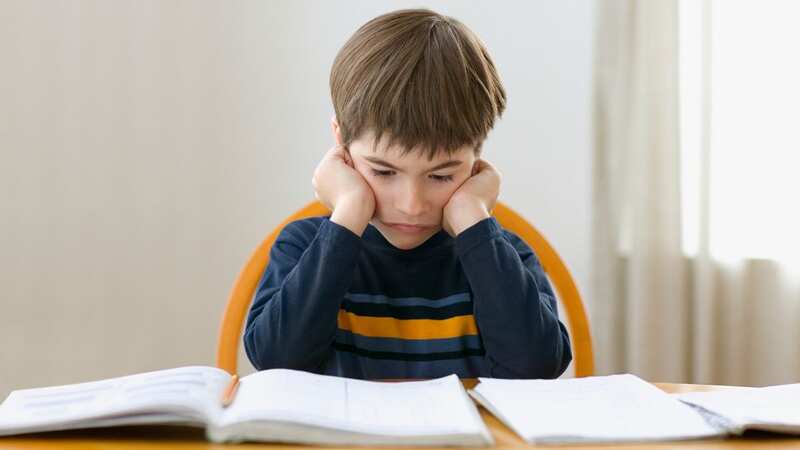
Although it's normal for children to misbehave from time to time, leaving parents feeling stressed, frustrated or disrespected, sometimes there can be an underlying reason. ADHD, or attention deficit hyperactivity disorder, is a condition that affects people's behaviour, and it can be tricky for parents to know whether their child is among the 5% of children in the UK who have it, according to charity ADHD UK..
October is ADHD Awareness Month, and aims to help educate people on the issues and obstacles people face with the disorder. Studies have highlighted that there is still a strong need for early diagnosis and better identification, especially as ADHD is often stereotypically linked to 'disruptive' and 'naughty' behaviour. However, it's far more complex than that.
But it can be hard to distinguish between whether your child is 'just misbehaving', or has ADHD. Dr Seb Thompson, consultant clinical psychologist at Cygnet Health Care explained: "Attention deficit hyperactivity disorder, or ADHD, is a neurodevelopmental condition that impacts someone's attention, their levels of hyperactivity and impulsivity."
According to the psychologist, someone who has ADHD tends to "struggle with their attention, with hyperactivity and with impulsivity" - but not necessarily all of them. It can be hard to pick up on the symptoms, especially as no child has 'perfect' concentration all of the time, and many kids can have impulsive moments.
One type of behaviour that could a signal of ADHD is fidgeting. Dr Thompson said: "The hyperactivity and impulsivity difficulties associated with ADHD could include being unable to sit still without fidgeting, excessive restlessness, finding the quiet to be uncomfortable, difficulty engaging in tasks quietly, difficulties in turn-taking, impulsively saying or doing things without thinking through consequences, as well as a tendency not to consider the risks of behaviour."
 Mum's touching gesture to young son who died leaves Morrisons shopper in tears
Another sign could be that your child is often forgetful, and loses things easily. If they are "frequently misplacing or losing items, being easily distracted, appearing to be daydreaming, and having difficulties remembering to do tasks and difficulties following through with instructions", it may be linked with ADHD, explained Dr Thompson.
"Every child with ADHD will probably struggle with a unique set of difficulties," explains Georgia Chronaki, senior lecturer in developmental neuroscience at University of Central Lancashire. "[For example] One child might struggle with paying attention in class, another may struggle with managing their emotions." They find being still and quiet really hard It may be a stereotype, but uncontrollable fidgeting could be an indicator of possible ADHD.
If you can tell your child is struggling in general, it could be a big indicator. It might be frustrating to watch as a parent, but ADHD could be an underlying reason, according to Dr Thompson. He said: "Imagine really wanting to pay attention to a conversation that is happening but your brain is not letting you. Imagine really wanting to focus on your homework, but your brain is not letting you. Imagine really wanting to sit and watch a TV programme, or sit and eat a meal, or sit and relax and your brain is not letting you. The world can be a very frustrating place for young people with ADHD, particularly if they do not understand why their brain works in the way it does."
A child who seems down or depressed, or has anxiety or low self-esteem could also be struggling with ADHD. Dr Thompson said: "Young people who get frustrated by their difficulties may stop trying at school, or lose interest in their hobbies because they can't sustain the attention to take part."
It's important to remember that every child is different, so what be 'normal' for one tot, might not be for another. Every child with ADHD will probably struggle with a unique set of difficulties," said Georgia Chronaki, senior lecturer in developmental neuroscience at University of Central Lancashire. "[For example] One child might struggle with paying attention in class, another may struggle with managing their emotions."
According to the NHS, many children go through "phases where they're restless or inattentive". The health body says this is "often completely normal and does not necessarily mean they have ADHD". However, if you're concerned you could have a discussion with your child's teacher, or a GP, if you think they are behaving differently from most kids their age.
Read more similar news:
Comments:
comments powered by Disqus