Lewis Hamilton criticism has 'hindered' Mercedes as chief explains F1 woes
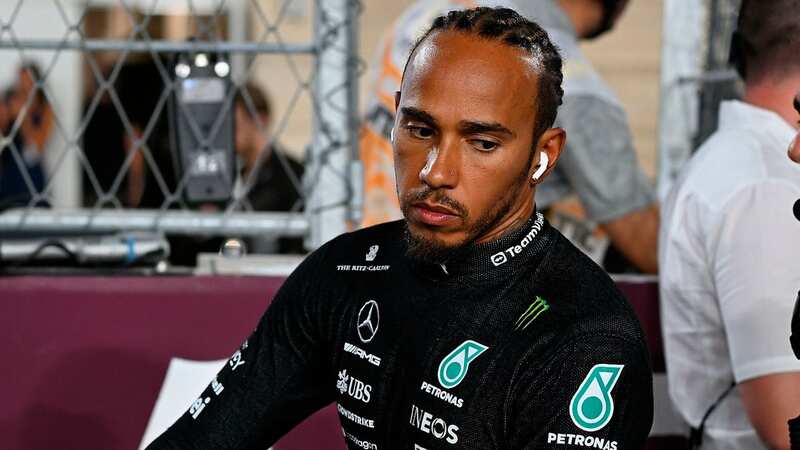
As much as Lewis Hamilton's critical feedback is often a great help to Mercedes, technical chief James Allison has admitted it can sometimes be a hindrance.
Having driven eight constructors' championship-winning cars in a row, Hamilton got used to having the best machine on the grid every single season. That changed last year when the team failed to adapt to new regulations as quickly as some of their rivals.
And the Silver Arrows have been playing catch-up ever since. Despite the W13's flaws, a similar philosophy was followed in the creation of the W14 used in this year's championship.
Mercedes realised in the early weeks that a significant change was needed and a more conventional aerodynamic package has since been adopted. But, because they were so late to do so, the team is still playing catch-up to runaway champions Red Bull.
During the last two years, Hamilton has rarely wasted an opportunity to criticise his car. At some point in most race weekends, he bemoans the fact he is not as comfortable in the W14 as he would like.
 Sebastian Vettel warns of looming F1 ban and is "very worried about the future"
His most notable outburst came after the season-opening Bahrain Grand Prix when he publicly criticised Mercedes' design chiefs. The seven-time world champion claimed his ideas had not been listened to, even though he "knows what a car needs".
Hamilton's criticism was put to technical chief Allison when he appeared on the F1 Nation podcast. In response to being asked if his team's development efforts are helped or hindered by such comments, he admitted that "a bit of both" outcomes occur.
He said: "I think that drivers sometimes conflate identifying a problem with knowing what the solution is. "Where it's a massive help is the accurate description of what is difficult about extracting lap time from the car.
"If they can say, 'Here it is letting me down because the front axle is too weak, here it's letting me down because the rear axle is too weak – here, it just feels bizarre and I don't trust it', that's ever so helpful because you can have a million pressure sensors on the car, loads of load cells, accelerometers up the ying yang but, ultimately, those are a little bit sort of stunted in their ability to tell you truly what the car is doing.
"The driver is a much better sensor. So if a driver says, 'The car is lacking rear downforce, bang, I've solved it, go to the rear downforce shop, get me some downforce', then that's the point where it becomes slightly less helpful. But, at that point, we just have to accept the car is lacking in a certain thing and it's our job as Lewis rightly points out.
"He doesn't design the car, it's our job to respond with the solutions that bring that. But I think that he could rightfully say that both he and George [Russell] had been saying a particular consistent thing about the car since the first laps of the 2022 cousin of this one and the 2023 version inherited that same behaviour and we have been slow to react, slow to fix."
Read more similar news:
Comments:
comments powered by Disqus