UK household energy debt hits 5-year high ahead of winter
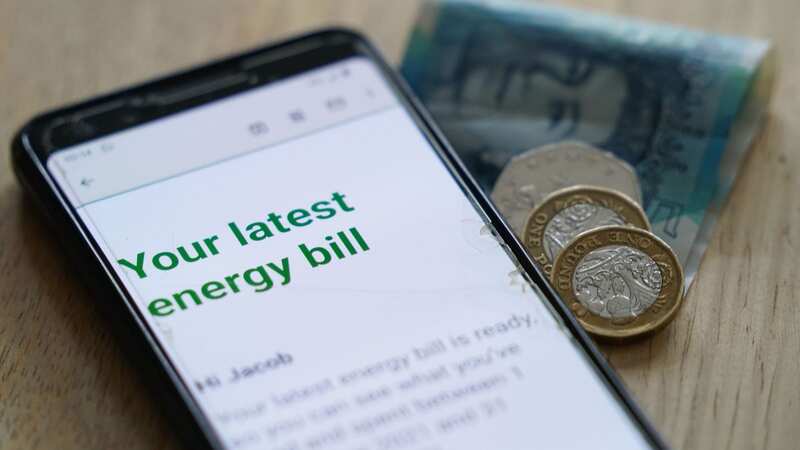
Household energy debt has reached a five-year high of £216, with 11% more homes owing money to their provider than last year, a survey suggests. The average household debt is up 13% on the £190 seen at this time last year, according to a poll for comparison site Uswitch.
The number of homes that owe money to their supplier has risen from 2,800,000 to 3,200,000. More than nine million households have no energy credit going into winter when they should ideally have built up a balance to cover the higher costs of heating over the colder months, the survey suggests.
Two-fifths of those in arrears (40%) say their debt is higher than last year, and a quarter (28%) believe their position is about the same as 12 months ago. Almost one in seven (14%) say they have moved from being in credit a year ago to being in debt now.
More than half of households (53%) are worried about how they will pay their energy bills this winter, with just a quarter (25%) saying they are unconcerned. Almost a fifth (18%) plan to pay off the debt in one lump sum, a quarter (25%) will increase their direct debit, and one in seven (13%) hope to agree on a repayment plan with their provider.
A tenth of households (9%) say they cannot afford to pay off their arrears.
 Shop prices 'are yet to peak and will remain high' as inflation hits new heights
Nearly half of people (49%) say they'll put on extra clothes at home to keep the heating low, while a quarter (25%) won't turn on the heating even when it's chilly. The survey also found that almost 60% of households (59%) have saved up some money for winter, averaging £236 a bit less than £249 last autumn.
Richard Neudegg, from Uswitch, said: "Building up a war chest of around two months of energy credit is important as we head into winter, and it's worrying that more than nine million households have no buffer against the coldest months."
"Average household energy debt for autumn is at the highest level we've seen in more than five years. And with the price cap changing every three months, households are facing even more uncertainty this year as prices are expected to rise again in January."
"If your energy account is going into debt or you are behind on your bill payments, speak to your provider as soon as possible. They should be able to help you find a solution, such as working out a more affordable payment plan. You may also find you are eligible for additional support such as hardship funds and other energy help schemes."
Last week, Britain's energy watchdog said it might increase the energy price cap by up to £17 a year. This is to stop suppliers from going bust because of rising customer debts.
Ofgem, the energy watchdog, is considering a one-off increase in the price cap that could see households pay up to £17 a year more or £1.50 a month on average "to reduce the risk of energy firms going bust or leaving the market as a result of unrecoverable debt". This comes after figures in the summer showed that debt reached a record £2.6 billion due to soaring wholesale prices and cost-of-living pressures on households.
* An AI tool was used to add an extra layer to the editing process for this story. You can report any errors to [email protected]
Read more similar news:
Comments:
comments powered by Disqus