16 October 2023 , 07:43
831
0
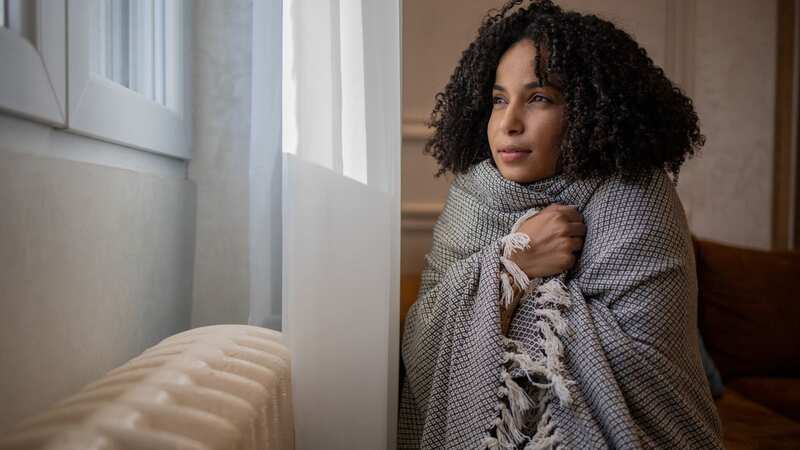
We've all thought about it as the colder weather sets in - is it time to put the heating on yet? While many of us try to put it off until the last possible moment, wearing layers upon layers inside the house, there is actually an ideal time to flick the switch.
Experts has revealed that there is a correct temperature and date for turning the heating on - which is bound to save disagreements in countless households across the UK. So when is the big day?
Matthew Jenkins, a Heating Expert at MyJobQuote, advises switching on the central heating when average outdoor temperatures dip below 15 degrees celsius. "Outdoor temperatures of 15 degrees is when most people notice a change in temperature enough to comment on their discomfort," he said.
Meanwhile, Jess Steele, a heating technology expert, echoed this advice as she told the Sun: "Whilst there isn't an optimum time to switch heating on, our research shows that once temperatures are below 15C, usually in the middle of October, it is best to turn the heating on as we feel the chill more. By the end of the month, even the hardiest among us will have our heating on to keep warm as temperatures are predicted to drop further."
Owing to the cold snap many of us are experiening across the country, the exact date the experts advise Brits should get their radiators on is October 20.
 Even the Tooth Fairy is feeling the cost of living crunch with payments down 10%
The majority of people find the best temperature for comfort in autumn and winter is between 18 to 21 degrees celsius. In fact, GOV UK recommends that consistent indoor temperatures shouldn't dip drastically below 15 degrees as this can heighten the risk of negative health effects, especially if you live with any elderly relative.
When it comes to heating our homes, we all have differing opinions on when to turn the heating on, when to turn it off, how high or low the temperature should be, and how long the heating should be on for each day.
However, there is one question which usually comes up in conversations about central heating, and is a highly debated topic. Is it cheaper to leave the heating on all day but on low, or to only turn it on when you need it? Unfortunately, this question is one without a straightforward answer.
According to experts at the Energy Saving Trust, the idea that it is cheaper to leave the heating on all day on a low light is a complete "myth". This is mainly due to problems such as home insulation since older or more draughty homes will allow heat to leak out through windows and doors.
With poor insulation, your boiler will have to work harder to keep your home's temperature at a set level which will use more energy and in turn cost you more money. The Energy Saving Trust says if you're keeping the heating on all day you're losing energy all day, so it's better to heat your home only when you need it.
Despite this, some engineers have been quoted by as saying that keeping your boiler on low all the time can save you some money. This is because turning your boiler on and off regularly will mean it needs to use more energy to heat your home to your desired temperature.
If your home is well-insulated, you may be better off leaving the heating on low as good insulation will prevent too much heat loss from occurring since your thermostat will work with your boiler to maintain the temperature with relative ease.
Do you have story to sell? Get in touch with us at [email protected]